The increasing antibiotic resistance of bacteria is a growing concern worldwide both for health and food consumers, as these bacteria can be found in commonly consumed meat products.
We know that bacteria are part of our daily lives and are present in everything around us. Focusing on the sector that concerns us, the food industry, we would like to highlight a recent study by the University of Santiago de Compostela which has revealed that almost half of the meat samples in Spanish supermarkets are contaminated with ‘superbacteria’, capable of generating serious infections.
What bacteria contaminate the meat products we eat?
There is currently a serious problem with the contamination of resistant bacteria in the food we eat, such as meat products.
Referring to the above-mentioned study, the study presented at the European Congress of Clinical Microbiology and Infectious Diseases, evaluated 100 randomly selected meat products in Spanish supermarkets. The results showed the presence of Escherichia coli (E. coli) and Klebsiella pneumoniae strains in 40% of the chicken, turkey, beef and pork meats tested. These bacteria are known to cause serious infections, such as sepsis and urinary tract infections, and have developed resistance to multiple antibiotics, including some last-resort antibiotics such as colistin.
What is the current problem with resistant bacteria such as E.coli?
The current problem of bacteria contaminating the meat we eat is antibiotic resistance, not the meat itself. Although most products had levels of E. coli within safe limits, 5% exceeded the recommended levels, raising concerns about the existence of these superbugs.
The study particularly highlights contamination in turkey and chicken products, due to differences in poultry production and slaughter.
Faced with this alarming reality, there is a need to implement effective measures to ensure food safety. This is where Amerex stands out with its innovative line of natural preservatives, which offer an effective and safe solution against these resistant pathogens.
What preservatives are available on the market against resistant bacteria?
At Amerex, we are experts in improving food safety against pathogenic bacteria such as E. coli and Klebsiella pneumoniae. Our expertise is based on the development of natural preservatives that not only inhibit the growth of these bacteria, but also meet the ‘clean label’ standards demanded by consumers today.
Our products are natural, safe and highly effective, providing an additional barrier to consumer safety.
Amerex natural preservatives are formulated to prevent the growth of multi-resistant bacteria in food, ensuring food safety and freshness. These preservatives work effectively against resistant pathogens such as E.coli or globally known pathogens such as Salmonella or Listeria, offering a sustainable and reliable solution for the food industry.
By opting for our products, you not only protect the health of consumers, but also promote cleaner and more transparent food production.
If you would like more information about our products, please do not hesitate to write to us!
Nuria Lázaro is the R&D and Quality Manager for Amerex’s technical team. She holds a degree in Biology and a master’s degree in Biotechnology. She brings her experience in food preservation and safety, specializing in legislation and the development of new preservatives and antioxidants.
https://amerexingredientes.com/wp-content/uploads/2021/12/Micro.png8821180Nuria Lázarohttps://amerexingredientes.com/wp-content/uploads/2017/11/Logo-web-amerex-madrid-2.pngNuria Lázaro2024-06-06 09:32:522025-12-23 11:00:33NATURAL PRESERVATIVES AGAINST RESISTANT BACTERIA IN MEAT
In food industry, Listeria is a worldwide known bacterium. In this blog we will talk about the risk of contamination in a sector as attractive as the bakery industry due to the risk of contamination of pastry cream and sour cream .
In the world of confectionery there is a great variety of cakes, pies and other sweets, being a sector that always seeks excellence in taste and quality. However, food safety is a constant concern, especially when it comes to perishable products such as creams and cream. One of the main microbiological risks faced by confectionery is contamination by the well known Listeria monocytogenes a bacterium that can cause serious health problems.
Which pathogenic microorganism is Listeria monocytogenes?
Listeria monocytogenes is a gram-positive pathogenic bacterium that can be found in a wide variety of foods. Its presence is well known in the meat sector, with very well known cases at national level, but it can also be present in dairy products such as different cheeses, milk or also in cream and creams used in pastry fillings.
This bacterium is especially dangerous because it is very resistant to unfavorable environments. It can survive and multiply in conditions of acidity, salinity (up to 10%), oxygen scarcity (even under vacuum) and refrigeration temperatures (as low as 2º-4º C), which means that even foods stored in cold conditions are not completely safe. Other factors such as pH (between 4.4-9.4) and water activity (>0.92) also play a role.
Why is Listeria dangerous?
Listeria infection, known as listeriosis, can cause severe symptoms such as fever, muscle aches and gastrointestinal problems. In people with weakened immune systems, pregnant women, newborns and the elderly, listeriosis can be fatal.
In addition, as discussed above, the ability of Listeria to grow in cold environments makes it a challenge to keep it under control in refrigerated dairy products, such as any type of cake, pie, or pastry food with a cream or custard filling. In addition, although it does not continue to proliferate during freezing, its presence is maintained, so there is still a risk of contamination in frozen cakes, especially when they begin to thaw and the bacteria, if present, continue to multiply.
What factors favor contamination in sour cream and pastry cream in bakery?
As mentioned above, creams and cream, which are dairy-based products, are especially vulnerable to microbiological contamination due to several factors:
Water and Nutrient Content: These products are rich in water and nutrients, making them an ideal medium for the growth of bacteria and in particular listeria.
Handling and Processing: Handling during processing and storage can facilitate the introduction of contaminants.
Storage Temperature: Although stored refrigerated, Listeria can survive and multiply at low temperatures.
Pastry preservatives against listeria in cream in bakery
Currently, there are several preservatives against Listeria and other microorganisms. At Amerex we specialize in natural preservatives based on biotechnology that offer an innovative, safe and clean label solution.
Our preservatives can be used in different food matrices, such as sour cream and pastry cream in bakery, but also in other products susceptible to listeria contamination such as meat matrices, fresh pizza doughs, in fish such as salmon, etc.
Thus, our preservatives offer the following advantages:
Safety: They are safe for consumption and do not present risks associated with synthetic chemicals.
Efficacy: They are effective against a wide range of microorganisms, including Listeria due to their use of protective fermentation.
Sustainability: They are environmentally sustainable and are aligned with trends towards more natural and less processed products.
Shelf Life Extension: Extends the shelf life of products without the addition of unwanted chemical additives.
Maintain Quality: They do not negatively affect the organoleptic properties of the product: taste, texture or appearance.
Safety in bakery as in other food sectors is essential and combating microbiological contaminations in products such as sour and pastry creams are a challenge that cannot be ignored.
Our company is dedicated to providing natural and effective solutions to protect your products and ensure that they reach consumers in the best possible condition. At Amerex we have different specialized preservatives with very good results against listeria in frozen and refrigerated cream and custard cakes.
If you would like more information about our products, please do not hesitate to contact us!
Patricia Rodrigo is Head of Marketing & Product at Amerex. With a background in Biotechnology and a Master’s in Biotechnology Business Management, her work focuses on research and communication of natural alternatives to additives, conservation strategies, and pathogen control in various food groups for the industry.
https://amerexingredientes.com/wp-content/uploads/2024/05/Miniatura-listeria-en-reposteria.png400400Patricia Rodrigohttps://amerexingredientes.com/wp-content/uploads/2017/11/Logo-web-amerex-madrid-2.pngPatricia Rodrigo2024-05-21 09:01:262025-04-28 10:11:21MICROBIOLOGICAL PROBLEMS IN BAKERY: LISTERIA IN SOUR AND PASTRY CREAM
In the food industry there are several sectors in which the chemical additives nitrates and nitrites are commonly used. In the meat or fish sector, for example, nitrates and nitrites are considered necessary to carry out the nitrification process that gives a characteristic colour to the final product as well as protection against anaerobic pathogens and sporogens.
Below we explain why nitrites are used in feed and introduce you to Amerex’s specialist product for the natural replacement of nitrites: Biamex NC.
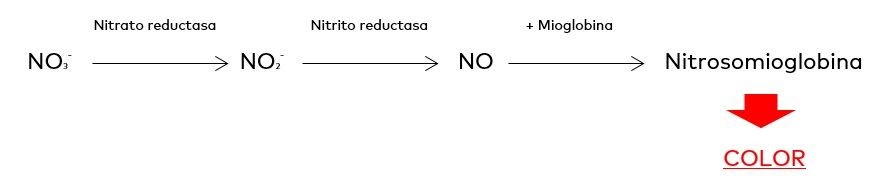
What is the nitrification process of nitrites?
In the nitrification process, nitrate is reduced to nitrite, from which nitric oxide is produced. Nitric oxide combines with muscle myoglobin to form nitrosomyoglobin, which is responsible for the typical colour of cured meats, e.g. in the meat industry. In the case of cooked meats, the temperature causes this nitrosomioglobin to be transformed into nitrosylhaemochrome, which is responsible for the characteristic pink colour.
Why have nitrites been considered necessary in the food industry?
Nitrates and nitrites have been considered necessary in the food sector, in addition to the generation of colour that they provide to food, making it more attractive to consumers, because they guarantee certain safety in products by preventing the development of pathogenic bacteria, specifically Clostridium botulinum, which causes the well-known botulism disease.
Like any other additive, nitrites are regulated by Annex II of Regulation (EC) No 1333/2008 of the European Parliament and of the Council and the Annex to Commission Regulation (EU) No 231/2012. It regulates the maximum dose that can be incorporated in each foodstuff under a specific legislation.
Why is nitrite substitution being pursued in different food sectors?
There is increasing talk of replacing nitrites with other types of natural preservatives and of regulating more strictly the permitted dosage in the various foods in which they are used.
The problem is that, although nitrates occur naturally, for example in various vegetables (e.g. lettuce, celery) or even in water, some of them are converted into nitrites during the digestion process, reacting with amino acids in the stomach and giving rise to nitrosamines, which are carcinogenic substances. In the case of foodstuffs from the above-mentioned sectors they are found directly in the form of nitrites. For this reason it is important to find substitutes that avoid the presence of these additives in products that we normally consume.
What nitrite substitutes are available on the market and what does Amerex offer?
There are many natural substitutes for nitrites on the market. As mentioned above, they are found naturally in vegetables such as lettuce and celery, and some companies use natural extracts of this type. We must not forget also the risk of sporogen poisoning that can be caused by poor nitrite substitution.
In our case, we have a transparent natural technology for nitrite substitution: the use of starters.
Our product Biamex NC, has a very innovative technology for the generation of the typical colour that nitrifiers would provide. In this way, thanks to a fixation reaction of the meat/fish protein itself, you can achieve an optimum replacement of nitrates, nitrites and/or nitro salts. In addition, this product incorporates another of our strains of ferments specialised in the action against sporogens such as clostridium botulinum.
In which products can Amerex nitrite substitute Biamex NC be used?
Biamex NC, as a nitrite substitute, can be applied in any food where a substitution of this chemical additive is necessary.
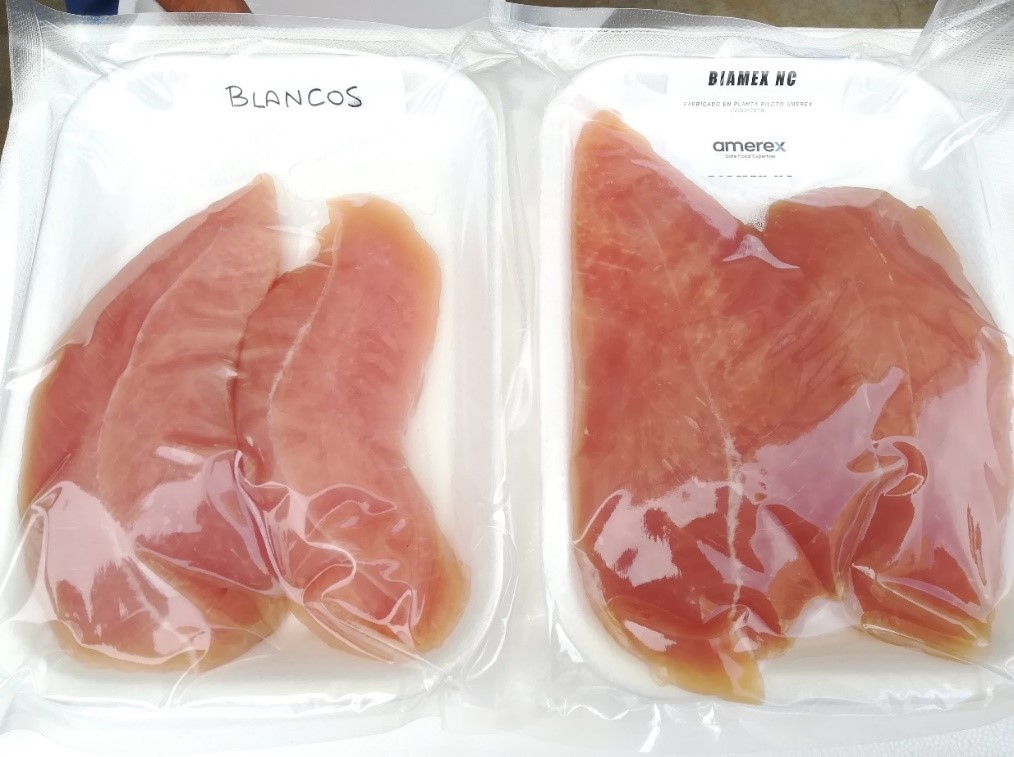
It is very common to substitute nitrites in meat products as we have mentioned above. Here is an example of injected turkey:
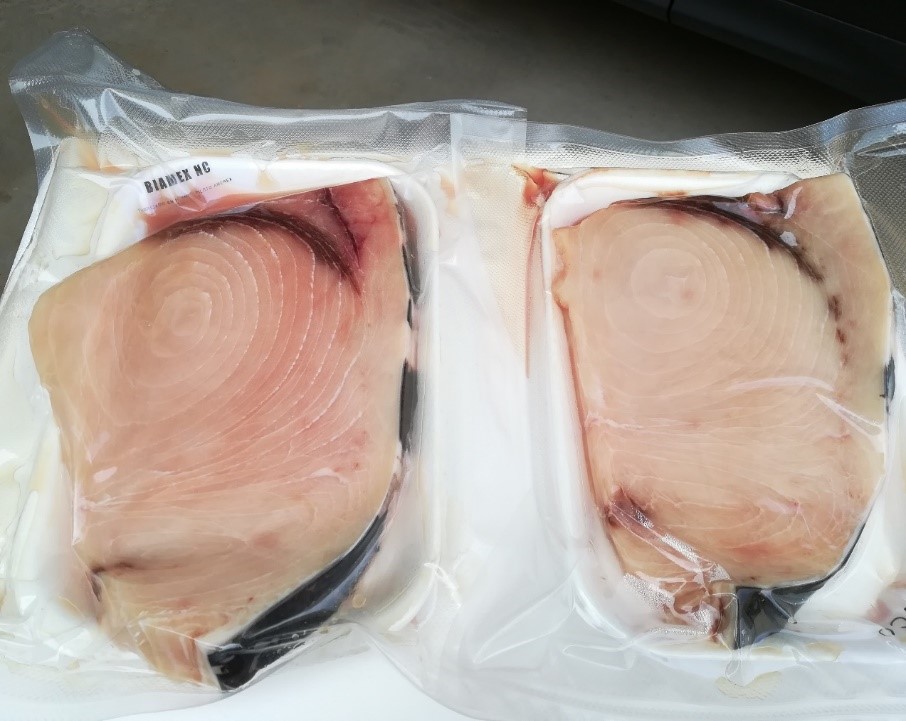
Another food where the use of nitrites is also common is in various fish. Biamex NC also has experience with this type of food. Here is a test on injected swordfish:
In conclusion, we can state that the use of starters is a very good alternative to nitrites, in particular the use of the Amerex Biamex NC product, as it significantly reduces the appearance of this colour in meat and fish products. In addition, this product includes Amerex’s protective technology to maintain product safety equivalent to the protection provided by nitrites.
Would you like more information about this starter culture? You can contact us for a personalised recomendation:
Amerex’s Technical Director, Alejandro Rodríguez, holds a degree in Biology and a master’s degree in biotechnology applied to food preservation. With a solid track record of over 10 years developing natural solutions, he leads projects focused on protective fermentation and innovative technologies to ensure food safety and quality.
https://amerexingredientes.com/wp-content/uploads/2024/04/jamon-york.jpg6801024Alejandro Rodríguezhttps://amerexingredientes.com/wp-content/uploads/2017/11/Logo-web-amerex-madrid-2.pngAlejandro Rodríguez2024-04-23 07:18:502025-12-23 10:56:34WITHDRAWAL OR REPLACEMENT OF NITRITES WITH NATURAL PRESERVATIVES
Fish is a great source of protein and fatty acids essential for a balanced and healthy diet. However, its freshness and quality are susceptible to degradation due to various factors, which represents a challenge for the food industry. That’s why natural preservatives are needed for fish.
These challenges include pathogens such as listeria and micro-organisms that can proliferate under optimal conditions and compromise food safety, as well as micro-organisms that affect the organoleptics of the product.
In the following, we will look at the commercial problems associated with fish, the most common pathogens in fish and the solutions offered by the market in the form of natural preservatives.
What are the most common commercial shelf-life problems in fish?
Among the most common commercial shelf-life problems in fish we can find: the generation of exudates due to bacterial heterofermentations, loss of texture or syneresis and gas generation.
This is due to the fact that fresh fish is highly perishable. Due to its biological composition, it must be kept under good storage conditions throughout its shelf life, which are not always met.
This rapid deterioration of fish can be due to factors such as exposure to air, inadequate temperature, cross-contamination and above all microbial activity. This not only affects the sensory quality of the fish, but also represents a health risk for the consumer and can result in significant economic losses for producers and retailers.
What pathogens usually affect fish?
Among the most common pathogenic micro-organisms affecting fish are bacteria such as Salmonella, Listeria monocytogenes and Vibrio spp. as well as parasites such as Anisakis, which is probably more recognised by consumers. In sectors such as meat, pathogens such as Listeria or Salmonella are well recognised and feared, however they are not so well known by fish consumers.
These organisms can cause foodborne illness if fish is not handled, stored and cooked properly. The presence of these pathogens is a serious problem that requires effective solutions to ensure food safety and product quality.
What preservatives are now available on the market?
There are currently a number of preservatives and additives on the market that seek to address these challenges, but they have their limitations. Some of the most commonly used options include:
Rosemary Extract: This natural preservative is rich in antioxidants to prolong the freshness of fish.
Ascorbic Acid (Vitamin C): In addition to its antioxidant properties, ascorbic acid can help prevent lipid oxidation and maintain the sensory quality of fish.
Essential Oils: Some essential oils, such as oregano and thyme, have been shown to have antimicrobial activity and can be used as natural preservatives in fish products.
Sodium Nitrate: Although a widely used preservative, sodium nitrate can also be obtained from natural sources such as sea salt, providing a more natural option for fish preservation.
However, at Amerex we have natural preservatives that will not only protect the food from pathogens as important as listeria, but will also help to reduce chemical additives such as the aforementioned nitrate, and improve the organoleptic properties of the product.
What challenges do Amerex fish preservatives face?
At Amerex we have natural fish preservatives that meet the main challenges of the market. Thanks to Amerex natural preservatives you can:
Extend shelf life by controlling heterofermentative lactobacilli in fresh and frozen fish preparations.
Prevent pathogens such as listeria.
Generate colour by removing nitrites.
Decrease the incidence of histamine.
Avoid unwanted acidification and syneresis, while maintaining texture.
Amerex preservatives can be applied in different ways depending on the type of fish processing:
In batter: for fish patties or surimi.
Injected: for emperor, tuna, salmon, swordfish, etc.
On the surface: for any type of smoked or marinated fish (sushi). On prawns or cephalopods.
The fish industry faces significant challenges in terms of preserving freshness and food safety. However, by harnessing the benefits of natural ingredients and biotechnology, we can ensure that fish reaches consumers safely. Do not hesitate to contact us for more information!
Patricia Rodrigo is Head of Marketing & Product at Amerex. With a background in Biotechnology and a Master’s in Biotechnology Business Management, her work focuses on research and communication of natural alternatives to additives, conservation strategies, and pathogen control in various food groups for the industry.
https://amerexingredientes.com/wp-content/uploads/2024/04/Diseno-sin-titulo.png400400Patricia Rodrigohttps://amerexingredientes.com/wp-content/uploads/2017/11/Logo-web-amerex-madrid-2.pngPatricia Rodrigo2024-04-10 09:34:292025-04-28 10:11:21NATURAL PRESERVATIVES FOR FISH
The search for natural alternatives to chemical additives is one of the main objectives of the food industry. In today’s age, where health and wellbeing are a priority, the food industry is undergoing a revolution in terms of the ingredients and processes they use in food. More and more consumers are demanding less processed and more natural foods, free of artificial additives.
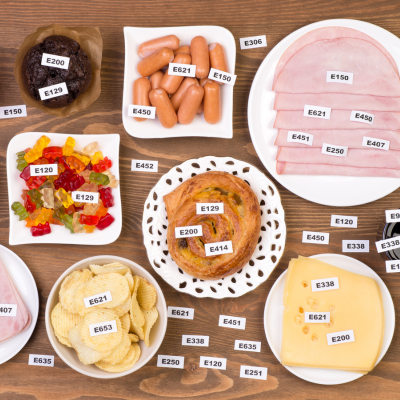
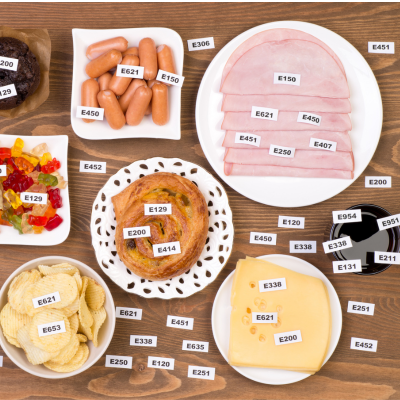
Ultra-processed foods are known for the large number of chemical additives on their labels. These additives are used to improve organoleptic or safety aspects of the food, but are there natural options to replace them? In today’s blog we bring you a guide to the best natural alternatives to additives in your ultra-processed foods, so you can offer a healthier and microbiologically safer food!
What chemical additives are used in ultra-processed foods and why do consumers want to avoid them?
Chemical additives are substances added to foodstuffs for the purpose of improving their taste, texture, colour or durability. They are regulated by Regulation (EC) No 1333/2008 of the European Parliament and of the Council of 16 December 2008, which lists, under the associated E number, all additives permitted in the European Union and their restrictions on use.
The current concern about these additives is due to studies that have suggested that excessive consumption of additives in ultra-processed foods (such as sausages, ready meals, pastries, etc.) could be linked to various health risks: such as allergies, metabolic disorders and adverse effects on gastrointestinal health.
The lack of transparency in product labelling often also makes it difficult for consumers to make informed food choices. This is why consumers are increasingly looking for natural alternatives that are free of artificial additives.
What natural alternatives to chemical additives are there on the market?
There is a wide variety of natural alternatives to chemical additives in the ingredients market. Ultra-processed foods often need additives to help maintain colour, give a specific flavour or preserve the food for more days than a fresh product, however, natural ingredients can be used to provide the same benefits as artificial additives.
The best known additive substitutes are herbal and spice extracts, fruit or vegetable juices, and other natural extracts that can act as preservatives, colourings and flavour enhancers in a safe and healthy way. They are a good natural and environmentally friendly option. However, there are also other natural ingredients that are more effective as preservatives, such as ferments or lactic acid bacteria.
What are starters as an alternative to chemical additives?
It is traditionally known that the way in which starters perform this preservative function is through the maturation of the product. This usually includes an organoleptic change in the food due to acidification, which lowers the pH and modifies the organoleptic characteristics of the matrix. They not only improve the preservation of the food, but also enhance its taste and nutritional value. Traditionally, these starters have been used in the maturation of sausages and cheeses and are well known to manufacturers.
Amerex stands out in this case as a supplier of natural preservatives based on ferments, offering innovative and healthy solutions for the food industry as an alternative to chemical additives.
What are the benefits of opting for natural alternatives to ultra-processed foods?
By choosing foods that are free of artificial additives and rich in natural ingredients, you gain a multitude of benefits. Firstly, you are promoting a healthier and more nutritious diet, and by avoiding synthetic additives, you reduce exposure to harmful chemicals and promote a more natural and sustainable lifestyle.
On the other hand, the use of these natural alternatives in ultra-processed foods, such as ferments, allows for the reduction of food processing resulting in a more “homemade” product. Together with the elimination of chemical additives, the consumer will get a more positive image of that food.
Where to find a supplier of Natural Alternatives to additives in ultra-processed foods?
As a supplier of natural alternatives to food additives, Amerex has more than 40 years’ experience in providing innovative and sustainable solutions for the food industry.
Our natural ferment-based preservatives are an excellent alternative to artificial additives, guaranteeing the quality and safety of your food products without compromising taste or freshness. We have different product ranges, such as the Biamex range of ferments or Safemix natural flavourings, which include preservatives for specific problems, such as protection against Listeria or Salmonella, or for the removal of additives such as nitrite or sorbate.
In short, by choosing natural alternatives free of artificial additives, you are taking a step towards a healthier and more conscious diet. With options such as fermented foods as an alternative to additives and the commitment of companies like Amerex, it is easier than ever to enjoy delicious and nutritious food by offering the best choice to the consumer.
If you would like to know more about these natural options, please contact us for more information:
Patricia Rodrigo is Head of Marketing & Product at Amerex. With a background in Biotechnology and a Master’s in Biotechnology Business Management, her work focuses on research and communication of natural alternatives to additives, conservation strategies, and pathogen control in various food groups for the industry.
https://amerexingredientes.com/wp-content/uploads/2024/03/Miniatura-Alternativa-Aditivos.png400400Patricia Rodrigohttps://amerexingredientes.com/wp-content/uploads/2017/11/Logo-web-amerex-madrid-2.pngPatricia Rodrigo2024-03-21 11:27:302025-04-28 10:11:22DISCOVER THE BEST NATURAL ALTERNATIVES TO CHEMICAL ADDITIVES IN ULTRA-PROCESSED FOODS
It is well known that natural remedies have been used since the beginning of time to improve food preservation and extend their shelf-life. Salt, sugar or vinegar are the most significant examples that are still used today. Nowadays, there is a wide variety of food additives that, in addition to preserving food, help to maintain its organoleptic characteristics such as taste, smell, texture, freshness… and even its nutritional value.
On top of this, consumers are increasingly interested in knowing what they are putting into their bodies. Therefore, the general claim is for traditional additives to evolve into more natural alternatives, and above all for their labelling to be clearer and more understandable. This is why the concept of clean labelling has gained popularity. Stay with us and continue reading to explore what is the exact meaning of the term “clean label” and its importance in food preservation.
What is “clean label”?
The term “clean label” refers to the tendency of food companies to use natural and recognisable ingredients in their products, avoiding artificial additives, colourings and synthetic preservatives. This results into simpler and easier to understand labels for consumers. This initiative responds to consumers’ demands for clear and reliable information on the composition of the food they will ultimately consume. Beyond the simple list of ingredients, the clean label represents a commitment to transparency, quality and health. And above all, that the consumer is able to objectively analyse and evaluate the product to draw conclusions about what they are eating.
What are the benefits of clean label?
– Transparency and consumer trust
The aim is to make it easy for consumers to identify the ingredients used in a product. The clean label model promotes transparency by allowing consumers to easily understand what they are eating. In addition, by providing simpler labels free of unknown ingredients, brands can build trust and loyalty among their clients.
– Health and wellness
It is a fact that all authorised additives used in the food industry are considered safe, as they are regulated by the competent authorities (EFSA, in the case of Europe), who set acceptable daily intake amounts to set limits on their incorporation in food. On the other hand, clean label foods are usually composed of natural ingredients, which makes them perceived as healthier by avoiding these synthetic ingredients and some additives that are considered potentially harmful. By choosing clean label products, consumers can reduce their exposure to artificial substances and thus promote a healthier lifestyle.
– Sustainability
Clean label is also linked to more sustainable agricultural practices by promoting the use of natural and organic ingredients. By using natural and organic ingredients, brands can support responsible agriculture and reduce their environmental impact.
What is the connection between food preservation and the term clean label?
The relationship between food preservation and the term clean label is fundamental to understanding the evolution of the food industry towards healthier and more sustainable practices. Traditionally, food preservation has entailed the use of a variety of additives and artificial preservatives to prolong the shelf-life of products. However, with consumers’ growing interest in transparency and naturalness of food, there is a need to find healthier and cleaner alternatives for preservation.
This is where the concept of clean label comes into play. By prioritising natural and recognisable ingredients, brands can offer products with cleaner labels and free from synthetic additives, while maintaining quality and food safety. This not only responds to consumer demands, but also promotes a more responsible approach to food production, encouraging sustainable agricultural practices and reducing environmental impact.
What natural alternatives do exist for preservation?
In the search for natural alternatives for food preservation, the food industry has explored a wide range of ingredients and methods that offer efficacy without compromising the quality or naturalness of products. One of the most prominent alternatives are natural antioxidants, such as ascorbic acid (vitamin C) and tocopherols (vitamin E), which can prevent food oxidation and thus prolong shelf-life. These antioxidants are widely found in fruits, vegetables and herbs, making them attractive options for manufacturers seeking to preserve their products naturally. Click here for more information regarding these antioxidant additives.
But of course there are also natural preservation alternatives based on biotechnology, such as the use of ferments which through different mechanisms of action can protect against harmful microorganisms, as we have mentioned in previous blog posts.
Where can I find these clean label – natural preservation alternatives?
Clean label is not only a trend in the food industry, but also a response to the demands of health and transparency-conscious consumers. As a company, by adopting clean labelling practices and looking for natural alternatives for food preservation, you can meet your customers’ needs and promote a healthier and more sustainable lifestyle.
If you are looking for natural preservation alternatives to embrace clean label for your food products, you have landed in the right place. At Amerex we offer a wide range of natural ingredients for food preservation. Our product selection is designed to meet the needs of the food industry for clean and transparent solutions. For example, the Biamex range of biotechnology-based natural preservatives that target pathogenic microorganisms, as potential substitutes for chemical additives or treatments to make your product cleaner and more accessible to your consumers.
You can check our website to explore our offer and find out how we can help you take your products to the next level with quality ingredients and clean labels. Do not hesitate to contact us!
• By sending an email to: imasd@amerexingredientes.com • By calling us: +34 91 845 42 14 • By filling in the form bellow
Nuria Lázaro is the R&D and Quality Manager for Amerex’s technical team. She holds a degree in Biology and a master’s degree in Biotechnology. She brings her experience in food preservation and safety, specializing in legislation and the development of new preservatives and antioxidants.
https://amerexingredientes.com/wp-content/uploads/2024/03/Clean-label-conservacion-saludable.png400400Nuria Lázarohttps://amerexingredientes.com/wp-content/uploads/2017/11/Logo-web-amerex-madrid-2.pngNuria Lázaro2024-03-05 07:49:002025-05-19 10:55:15FOOD INDUSTRY TRENDS: CLEAN LABEL AND PRESERVATION
Today, the trend towards vegan products has gained significant popularity, but a debate arises over the authenticity of their “naturalness”. Many products labelled as vegan contain chemical additives, which has led to questions about their true nutritional value and their alignment with a healthy lifestyle. It is difficult to find vegan products that are clean label, i.e. that are free from food additives.
The question is, therefore, are products with a long list of chemical additives, such as these foods, really natural, and are there better options for natural preservatives to replace the current chemical additives?
It is clear that obtaining a natural, healthy, microbiologically safe and organoleptically optimal product is no easy task – read on and we’ll tell you more!
What does Clean Label mean and what is the importance of transparency in vegan food?
The term “Clean Label” means “clean label”, i.e. in the food industry it means a label free of chemical additives.
Vegan foods, in most cases, undergo a high level of processing and various additives are necessary to help them achieve the organoleptic and taste of the animal products they are trying to imitate. In addition, we cannot forget the importance of obtaining a microbiologically safe product as well, so preservatives will also be necessary in that list of ingredients.
This last point is another open debate, why imitate foods of animal origin that involve high processing and the addition of additives, instead of obtaining innovative vegan products.
Whatever the answer, at Amerex we can help by reducing the list of additives as we are specialists in natural preservatives based on biotechnology.
What is the difference between natural food preservatives and chemical additives for vegan products?
It is essential to educate consumers about the difference between natural preservatives and chemical additives. While additives can raise health concerns, Amerex natural preservatives are obtained from natural sources and are sustainably processed.
Amidst the debate about the authenticity of vegan products, the choice of natural preservatives becomes a crucial factor. Natural preservatives, unlike chemical additives, preserve the freshness of food without compromising quality or adding unwanted components.
What natural preservatives are currently available for vegan products?
Numerous natural preservatives are available for safe and organoleptically acceptable vegan products. As an industry leader, we at Amerex understand the importance of providing effective and safe natural food preservative solutions. Our dedication to biotechnology allows us to develop products that meet clean label standards without sacrificing food preservation efficacy.
We have many success stories in vegan foods for both dairy analogues and meat analogues. For this, the use of preservatives such as the Safemix range of products helps in the reduction of chemical treatments and additives and in the improvement of organoleptics.
Amerex is committed to offering natural preservatives that not only preserve the freshness of food, but also meet clean label standards, providing consumers with an authentic and healthy choice by obtaining the most natural product possible.
Find out how Amerex natural preservatives can improve the quality of your products – contact us today for more information!
Patricia Rodrigo is Head of Marketing & Product at Amerex. With a background in Biotechnology and a Master’s in Biotechnology Business Management, her work focuses on research and communication of natural alternatives to additives, conservation strategies, and pathogen control in various food groups for the industry.
https://amerexingredientes.com/wp-content/uploads/2024/01/50.-Miniatura-naturalidad-productos-veganos.png400400Patricia Rodrigohttps://amerexingredientes.com/wp-content/uploads/2017/11/Logo-web-amerex-madrid-2.pngPatricia Rodrigo2024-02-12 12:05:472025-04-28 10:11:22VEGAN PRODUCTS AND NATURAL FOOD PRESERVATIVES
In January, the Council of Ministers approved a draft Law on the Prevention of Food Losses and Waste. The law makes it compulsory for all actors in the food chain to have a loss and waste prevention plan, prioritising human consumption through food donation or redistribution.
The aim is to achieve a 50% reduction in food waste per capita at retail and consumer level, and a 20% reduction in food losses along the production and supply chains by 2030. This has triggered a very deep movement and awareness among retailers and manufacturers on how to avoid and manage their surplus, which corresponds to 1-2% of their annual turnover.
What can food and ingredient manufacturers do to reduce waste and encourage better use? The importance of food preservation and safety is particularly relevant here, with natural food preservatives being the future of the world’s food supply. Food with a longer shelf life and which is microbiologically safe will help to avoid food waste.
What are natural food preservatives?
Natural food preservatives are substances derived from natural sources, such as plants, herbs, spices or microorganisms, which are used to prolong the shelf life of food.
These preservatives are a more sustainable and healthier alternative to synthetic additives, as they do not contain artificial chemicals or ingredients that are harmful to health. Regulation is becoming increasingly stringent in terms of the dosage and use of such chemical additives. In France, for example, legislation was recently amended to reduce the application rates of nitrites in some foods. Natural preservatives are therefore the future of food preservation.
What are some examples of natural food preservatives?
There are numerous examples of natural preservatives used in the food industry.
Some of them are well known and include rosemary extract, vinegar, essential oils, vitamin E (tocopherol), among others. However, we already see among them one example that has recently been included as a food additive, listed in the legislation as E-267, such as fermented vinegar.
Microorganisms are another source of natural preservatives, and thanks to new technologies such as biotechnology, the use of microorganisms such as lactic acid bacteria and thanks to protective fermentation, we can obtain new preservation strategies.
These preservatives not only help to preserve the freshness and quality of food, but can also provide additional health benefits.
What is the relationship between protective fermentation and natural preservation?
Protective fermentation is a natural process in which beneficial microorganisms, such as lactic acid bacteria or yeasts, are used to ferment foods and create a hostile environment for the growth of undesirable microorganisms, such as pathogenic bacteria. This process not only helps preserve food, but can also improve its taste, texture and nutritional value.
Bio-based natural preservatives often take advantage of the principles of protective fermentation to provide natural and effective food preservation.
Best natural food preservative manufacturers: Amerex Ingredients
Natural food preservatives are increasingly available on the market. It is important to look for reliable suppliers that offer high quality, certified organic products if possible. At Amerex, we have specialised in biotechnology-based natural preservatives for over 40 years and offer a wide range of products designed to meet the needs of the food industry.
Thanks to our natural preservatives, you can extend the shelf life of your food while maintaining optimum organoleptic and safety properties and avoiding food waste. Some of our best-selling products are part of the Biamex range, where we have specialists against listeria, for example, or more general products such as Biamex SP, for the complete preservation of food.
Natural food preservatives are an excellent option for those looking for a healthier and more sustainable alternative to synthetic additives. Harnessing the principles of protective fermentation and using biotechnology-based natural preservatives can help ensure food safety and quality, while promoting sustainability and overall wellbeing. Do not hesitate to contact us if you want to know more!
Nuria Lázaro is the R&D and Quality Manager for Amerex’s technical team. She holds a degree in Biology and a master’s degree in Biotechnology. She brings her experience in food preservation and safety, specializing in legislation and the development of new preservatives and antioxidants.
Happy 2024 and welcome back to the Amerex Blog! Today we will take a journey through the history of agrochemicals and explore their evolution over time and their impact on agriculture. Knowing the environment and social context of the industry as a whole is important for our further growth. This Blog entry may seem a little bit out of our standards, but we are sure you will find it very interesting. Here we go!
Only those whose most basic needs, including food supply, are assured, can engage in more complex and enriching activities for the common good.
This premise, which is also a great truth, explains why many empires and civilizations throughout history eventually disappeared, mainly due to the inability to guarantee enough food for the entire population. Well-known civilizations such as the Egyptians, or the Mayans, came to an end with a string of bad harvests that resulted in food shortages.
The post-Enlightenment development made it possible to understand some processes that were unknown, such as pollination, seed growth and plant needs, or the identification of the most effective nutrients. This allowed solutions to be devised to increase crop productivity, and agrochemistry was born.
What is the origin of agrochemicals?
By the end of the 19th century, the first chemical products were developed to improve agricultural productivity. Initially, fertilizers were used to enrich the soil and increase yields. Over time, this practice evolved to include pesticides, herbicides and fungicides, ushering in the era of agrochemicals.
But let’s go back a little bit to the first moments of agriculture more than 10.000 years ago. In the Middle East, where a nomadic lifestyle prevailed, some communities began to settle in certain places, which was the basis for the development of the first civilizations. Sedentary lifestyles began, and early farmers began to cultivate wheat. This cereal was a significant source of protein, allowing them to properly feed themselves and eliminating the need to travel for hunting.
This change posed the beginning of permanent settlements that eventually evolved into complex civilizations. However, the positive impact of growing wheat and other crops was partially limited by the appearance of plagues.
What is the historical relevance of agrochemicals and how have they influenced society?
– The importance of chemistry in pest control
Throughout different historical periods all over the world, substances that we call “pesticides” have been used with different strategies. For example, in Lower Mesopotamia almost 5 centuries ago, sulfur was used to control insects and mites that threatened crops. In China, during the same period, mercury was used in agriculture. Also ashes, smoke generated by burning straw, dead crabs, animal horns and excrement. The aim was to use pestilence to keep pests away from crops. Meanwhile in the first century, Pliny the Elder in Ancient Rome recommended the use of arsenic as an effective method to exterminate plagues. In addition, the first insecticide based on crushed pyrethrum was developed at that time.
More recently, in the 20th century before World War II, substances such as sulfuric acid, sodium chlorate, gas, naphthalene and creosote were used on farms.
– The use of fertilizers throughout history
Nutrient supply has been a permanent necessity since the earliest days of agriculture. Ensuring global food supply depends on the use of fertilizers to provide essential nutrients and prevent soil depletion.
In the 19th century, soil depletion in Europe led to famines, prompting research into agrochemicals to increase productivity. The chemist Justus Von Liebig then identified nitrogen, phosphorus and potassium as essential for plant growth, giving rise to the NPK formula, which today remains as the basis of modern chemical fertilizers. He was thus able to manufacture the first artificial fertilizer, but the lack of nitrogenous elements in its composition limited its success.
Nitrogen fixation was a challenge until Haber and Bosch proposed fixing it as ammonia. Today, we understand that crops require macronutrients and micronutrients, along with biostimulants and helpers to cope with stresses that conventional nutrients do not solve.
What is the environmental impact of agrochemicals?
In the 1960s, during the so-called Green Revolution, agrochemicals played a crucial role in driving increased agricultural production. The introduction of nitrogen fertilizers, herbicides and pesticides enabled farmers to grow larger crops. However, this period also raised concerns about environmental impact and human health.
The negative consequences of the environmental impact of agrochemicals include soil and water contamination. In addition, overexposure to certain pesticides has been linked to health problems, and loss of biodiversity is another significant concern. These adverse effects underscore the importance of searching for more sustainable alternatives.
What about the current trends regarding agrochemicals?
Today, there is a growing trend towards more sustainable agricultural practices. Farmers and scientists are striving to reduce dependence on agrochemicals by developing pest- and disease-resistant crops and using agro ecological practices. Technology such as precision agriculture is also being introduced to optimize the application of agrochemicals and minimize their environmental impact.
How do companies contribute to agricultural productivity?
It is a fact that throughout history the use of tools of chemical nature to control pests and improve crop productivity has been essential and still is today.
The use of chemicals is essential to ensure the basic nutritional needs of the population and to guarantee sustainable agricultural productivity by protecting crops from uncontrolled pests.
Challenges persist in the most disadvantaged regions of the world. According to FAO, between 20% and 40% of all food crops worldwide are lost due to pests and diseases.
Well aware of this scenario, agrochemical companies have been researching and developing since the 1980s more selective substances capable of attacking specific pests without causing harm to humans. This approach seeks to ensure the maximum safety in agricultural food production.
In many cases, these companies offer substances for the manufacture of pesticides, while also focusing on innovation in the field of fertilizers and nutrient supply, where chemistry plays a crucial role. The aim is to develop substances that are more effective, safer and harmless to humans.
Which other strategies do exist to ensure food safety?
It is good to know the historical context of all issues related to the food industry, which allows us to move forward in the development of new and positive implementations of processes and improvements for the best use of food. But what happens after all this? At Amerex we share the commitment to ensure that food reaches its final destination while maintaining its freshness and safety.
Our product range is designed not only to preserve the organoleptic quality of food, but also to safely extend its shelf-life. By embracing innovation and excellence, we contribute to sustainability and safety in the food chain.
At Amerex we work to provide to the food industry alternatives that not only respect tradition, but also embrace modern technology. If you want our help to assist you in finding those solutions to apply to your products, we would be very happy to do so!
Nuria Lázaro is the R&D and Quality Manager for Amerex’s technical team. She holds a degree in Biology and a master’s degree in Biotechnology. She brings her experience in food preservation and safety, specializing in legislation and the development of new preservatives and antioxidants.

https://amerexingredientes.com/wp-content/uploads/2024/01/Agricultor-cuidando-su-cosecha.png400400Nuria Lázarohttps://amerexingredientes.com/wp-content/uploads/2017/11/Logo-web-amerex-madrid-2.pngNuria Lázaro2024-01-12 17:30:002025-05-19 10:55:42AGROCHEMICALS AND THEIR ROLE IN THE INDUSTRY
Last September, the European Commission authorised the use of buffered vinegar as a food additive by assigning it the number E-267 in the list of food additives. Through the publication of Commission Regulation (EU) 2023/2086 of 28 September 2023 amending Annex II to Regulation (EC) No 1333/2008 of the European Parliament and of the Council and the Annex to Commission Regulation (EU) No 231/2012 as regards the use of buffered vinegar as a preservative and acidity regulator.
Below you will find all the information on the inclusion of this food preservative in the list of food additives:
What food preservative is buffered vinegar?
Buffered vinegar is a liquid or powdered product which is prepared by adding buffers to vinegar, according to the above mentioned regulation.
The buffers used for its preparation are sodium/potassium hydroxide (E-524 to E-525) and sodium/potassium carbonate (E-500 to E-501). Buffered vinegar complies with the European standard EN 13188:2000 and has an exclusively agricultural origin (except wood/cellulose) by double fermentation, alcoholic and acetic. The main components are acetic acid and its salts.
Buffered vinegar has been used until now as a clean label alternative to other authorised preservatives or acidity correctors, in particular for the above mentioned acetic acid and its salts, whose numbers are: E-260-263. These food preservatives are mainly used for their power to protect against gram-negative microorganisms, as these types of bacteria are the most difficult to control. Among them we can find the worldwide known Salmonella or E.coli.
How is buffered vinegar included in the list of food preservatives?
Buffered vinegar is included in the list of food preservatives under the number E-267.
Following the submission of an application to the Commission in March 2021, authorisation was requested for the use of buffered vinegar as a preservative and as an acidity regulator in a wide variety of food categories. These foods include: Meat preparations as defined in Regulation (EC) No 853/2004), potato gnocchi, fresh and pre-cooked pasta, canned fruit and vegetables, cottage cheese, fresh cheese, except products included in category 16.
Following a safety assessment of buffered vinegar as a food additive for the above mentioned uses, it was concluded that there is no safety concern for the use of buffered vinegar at the maximum use levels proposed in the standard. The corresponding study was carried out by the European Food Safety Authority (EFSA).
What natural food preservatives are available as an alternative to buffered vinegar?
Currently, the natural food preservatives that exist as an alternative to buffered vinegar (E-267) and that are clean label are plant extracts. However, the effectiveness of these food preservatives is not as high as that of buffered vinegar.
Buffered vinegar has so far been used as an effective alternative to other authorised preservatives or acidity regulators, in particular acetic acid and its salts (E 260-263). As it did not have an E-number assigned to it until now, it was declared as natural flavouring or buffered vinegar. These preservatives are known to be very effective against gram-negative bacteria, whose problem lies in the cell wall that covers them and makes them more resistant to preservatives. Nowadays, natural spice or vegetable extracts cannot match this efficacy.
What clean label food preservatives does Amerex offer?
At Amerex we are experts in clean label food preservatives and we have a wide range of products with different functionalities, from protective action against pathogens to elimination of chemical additives.
For this purpose, we have preservatives that combine different technologies. Our experience is based on the use of protective fermentation. This microbial technology is totally natural and clean label. Within this category we have products such as the Biamex range, which cover a wide range of action.
There are also products that combine protective fermentation with chemical additives. Food preservatives that include buffered vinegar include Safemix AV or Biamex Aroma Global. They are highly effective against bacteria such as E.coli or enterobacteria, and the low recommended dosage (between 0.1%-10%) favours a natural and homemade organoleptic.
These strains of microorganisms act in synergy with additives to enhance their antimicrobial properties, without negatively altering the taste, aroma or texture of the food.
If you are looking to improve the quality of your food by ensuring optimum preservation and organoleptic properties, do not hesitate to contact us! We have different ranges of products to meet the specific needs of our customers.
Nuria Lázaro is the R&D and Quality Manager for Amerex’s technical team. She holds a degree in Biology and a master’s degree in Biotechnology. She brings her experience in food preservation and safety, specializing in legislation and the development of new preservatives and antioxidants.
https://amerexingredientes.com/wp-content/uploads/2023/12/49.-Autorizacion-Vinagre-fermentado-E-267.png400400Nuria Lázarohttps://amerexingredientes.com/wp-content/uploads/2017/11/Logo-web-amerex-madrid-2.pngNuria Lázaro2023-12-28 12:12:592025-05-19 10:55:52APPROVAL OF BUFFERED VINEGAR AS FOOD PRESERVATIVE (E-267)
To offer the best experiences, we use technologies such as cookies to store and/or access device information. Consent to these technologies will allow us to process data such as browsing behavior or unique IDs on this site. Failure to consent, or withdrawal of consent, may adversely affect certain features and functions.
Funcional
Always active
El almacenamiento o acceso técnico es estrictamente necesario para el propósito legítimo de permitir el uso de un servicio específico explícitamente solicitado por el abonado o usuario, o con el único propósito de llevar a cabo la transmisión de una comunicación a través de una red de comunicaciones electrónicas.
Preferences
El almacenamiento o acceso técnico es necesario para la finalidad legítima de almacenar preferencias no solicitadas por el abonado o usuario.
Statistics
El almacenamiento o acceso técnico que es utilizado exclusivamente con fines estadísticos.El almacenamiento o acceso técnico que se utiliza exclusivamente con fines estadísticos anónimos. Sin un requerimiento, el cumplimiento voluntario por parte de tu proveedor de servicios de Internet, o los registros adicionales de un tercero, la información almacenada o recuperada sólo para este propósito no se puede utilizar para identificarte.
Marketing
El almacenamiento o acceso técnico es necesario para crear perfiles de usuario para enviar publicidad, o para rastrear al usuario en una web o en varias web con fines de marketing similares.