NEW LISTERIA REGULATION: KEY ISSUES FOR THE FOOD INDUSTRY

Growing health concerns and advances in microbiological control have prompted the European Union to update its legislation on the regulation of listeria in ready-to-eat foods. In November 2024 the European Commission adopted the new Regulation (EU) 2024/2895, which amends Regulation (EC) 2073/2005, introducing significant changes that will affect many food manufacturers from 1 July 2026.

Listeria monocytogenes remains one of the main challenges in the food industry, especially in ready-to-eat products, so in this article we look at what this new regulation is about, which foods are affected, and how companies can prepare to meet these new requirements.

What did the Listeria regulation support before the change?

Prior to the entry into force of Regulation (EU) 2024/2895, existing European legislation – specifically Regulation (EC) 2073/2005 – allowed a maximum limit of 100 cfu/g for ready-to-eat foods susceptible to the growth of Listeria monocytogenes throughout the shelf-life of the product, provided that this value was not exceeded under reasonably foreseeable storage conditions.

In many cases, this was applied even without the need to scientifically demonstrate that the food did not support the growth of the bacteria. With the new regulation, the requirements for ensuring the microbiological safety of products are tightened, obliging companies to justify more rigorously the behaviour of the pathogen in their food.

What does the new European regulation on Listeria provide for?

The new European regulation on Listeria, according to Regulation (EU) 2024/2895, states that all ready-to-eat foods that are likely to support the growth of Listeria monocytogenes must guarantee the absence of the pathogen throughout their shelf life. In other words, foods that have not been shown to be able to remain below 100 cfu/g during their shelf life must guarantee the absence of the micro-organism in 25 g of the product.

However, there is an exception: if the food operator can demonstrate through scientific studies that the level of Listeria monocytogenes will not exceed 100 cfu/g during the shelf-life of the product, this controlled presence will be allowed.

This measure will not apply to food intended for infants or for special medical purposes.

This legislative change emphasises the importance of preventive control, process validation and the use of effective technologies for the inhibition or elimination of Listeria in final products.

Which foods are considered susceptible to the development of Listeria?

A food is considered to be capable of supporting the growth of Listeria monocytogenes if it meets any of the following physico-chemical conditions:

  • pH > 4,4
  • Water activity (aw) > 0,92
  • pH > 5 and aw > 0,94 together.

Therefore: refrigerated, high moisture, low salt content products without final heat treatment, such as cooked sausages, soft cheeses, ready meals or vacuum packed fish, are in the highest risk group.

What is the challenge of Listeria in the food industry?

Listeria monocytogenes is particularly dangerous because it can grow even at refrigeration temperatures, it has a high environmental resistance and its infection can have serious consequences, especially in immunocompromised, pregnant and elderly people. This pathogen is a major cause of foodborne illness.

For the industry, a listeriosis outbreak not only implies health risks, but also economic costs, product recalls, reputational damage and loss of consumer confidence. Complying with the new legal requirements is essential, but so is ensuring responsible and safe production. According to a 2022 report by the European Food Safety Authority (EFSA), cases of listeriosis increased by 15.9% compared to 2021 and the number of deaths was one of the highest in the last 10 years.

How to adapt to the new legislation?

In order to comply with this new legislation, manufacturers can demonstrate that their products do not exceed the 100 cfu/g threshold by means of:

  • Challenge tests: controlled tests in which the product is inoculated with Listeria and its evolution throughout its shelf life is simulated under real storage conditions.
  • Predictive microbiology models, which allow estimating the behaviour of the pathogen depending on parameters such as pH, aw or temperature.

These types of studies must be robust, reproducible and adjusted to real distribution and storage conditions.

What solution does Amerex offer to adapt to this new legislation?

At Amerex we are experts in natural food preservation. Our products act as an additional barrier to the growth of pathogens, and have been validated through numerous challenge tests on ready-to-eat foods or foods that are susceptible to undercooking.

Thanks to their bacteriostatic and, in many cases, listericidal action, our natural ingredients have proven effective in inhibiting the growth of Listeria monocytogenes, meeting the most stringent requirements of Regulation (EU) 2073/2005 and its amendment of 2024.

Our specialist product against Listeria, Fermitrat Export, has been validated in numerous matrices and through challenge tests, demonstrating its efficacy against this pathogen and offering an additional point of safety to food manufacturers.

In a context where food safety and regulatory requirements are increasing, having effective and natural solutions is not only an advantage, but a strategic necessity to protect your product and your brand.

Interested in finding out how Amerex can help you comply with the new Listeria regulations? Contact our technical team and we will advise you with customised solutions for your type of product.

Would you like more information on these products? Contact us for a closer and personalised advice through:


Amerex see you neXt time


Contact us at

1 + 1 = ?

AVOIDING FOOD ALERTS IN INDUSTRY: SOLUTIONS WITH NATURAL BARRIERS

A food alert not only puts public health at risk, but can severely compromise a food company’s reputation, economic stability and long-term viability.

74% of consumers say they no longer trust a brand after being implicated in a food alert, according to recent data. In an increasingly demanding market in terms of quality and transparency, avoiding such incidents must be a top priority for any food operator.

What is a food alert and how does it impact a business?

A food alert occurs when a potential or actual risk to public health is detected in a food already on the market. This may be the presence of pathogens such as Listeria monocytogenes or Salmonella, chemical residues, undeclared allergens, foreign bodies or other contaminants.

The consequences for the company go far beyond product recall. Among the most important impacts are

  • Direct economic costs: recall logistics, destruction of the product, stoppage of production lines, penalties and fines.
  • Loss of consumer confidence: food alerts directly affect brand perception. Regaining that trust can take years or even be irreversible.
  • Legal repercussions: the company may face litigation, compensation and even criminal liability.
  • Negative media coverage: a food crisis is often echoed in the media and social networks, amplifying the reputational damage.

What food alert system is in place in Spain?

The Coordinated System for the Rapid Exchange of Information (SCIRI) is the mechanism established in Spain to manage food alerts. Coordinated by the Spanish Agency for Food Safety and Nutrition (AESAN), its objective is to ensure efficient and rapid communication between competent authorities in the event of food risks. SCIRI is part of the European Union’s Rapid Alert System for Food and Feed (RASFF), thus facilitating the exchange of information at EU level. When a risk is detected in a food or feed, SCIRI makes it possible:

  • Prevent products from reaching consumers.
  • Trace and withdraw the products concerned from the market.
  • To ensure the proper disposal of these products.
  • Take preventive measures to avoid recurrences.

This system is essential to protect public health and maintain confidence in the safety of food available on the market.

What is the key strategy to avoid food alerts?

To minimise the risk of food alerts, the food industry applies the well-known barrier theory. This approach consists of implementing multiple control measures along the entire production chain. The more barriers that are put in place, the less likely it is that a contaminant will reach the consumer.

These barriers include:

  • Heat treatments: pasteurisation, cooking, sterilisation.
  • In-plant hygiene and staff training.
  • Control of suppliers and raw materials.
  • Safe and appropriate packaging for the type of food.
  • Use of natural preservatives and antimicrobials: capable of inhibiting or eliminating pathogenic and spoilage microorganisms during the shelf life of the product.

This approach not only improves product safety, but is also a fundamental tool in preventive risk management, allowing action to be taken before an incident occurs.

How can Amerex help you in the prevention of food alerts?

At Amerex, we have been helping companies protect their products through natural preservation solutions for over 30 years. Our ingredients act as additional barriers to the growth of microorganisms, including pathogens such as Listeria monocytogenes, Salmonella and Escherichia coli.

Thanks to a wide range of formulations, our products adapt to multiple food matrices, providing proven efficacy through studies such as challenge tests and predictive microbiology analysis. All without compromising the clean label or the sensory profile of the food.

With Amerex, you add another safety barrier to your product, minimise the risk of alerts and reinforce confidence in your brand.

Want more information on these products? Contact us for a closer and more personalised advice through:

Amerex see you neXt time


Contact us at

4 + 4 = ?

LISTERIA IN FRESH CHEESES: RISKS, REGULATIONS AND PRESERVATIVES

Food safety is a key issue in the dairy industry, and one of the major risks associated with fresh cheeses is the presence of Listeria monocytogenes bacteria.

This bacterium can grow even in products made from pasteurised milk, posing a significant health hazard, especially in vulnerable people such as pregnant women, the elderly and immunocompromised individuals.

In this article, we explore what listeriosis is, why fresh cheeses are prone to contamination, how Listeria is spread and what regulatory measures and solutions exist to ensure the safety of these products.

What is listeriosis and what are the factors that promote its growth?

Listeriosis is a serious infection caused by the pathogenic bacterium Listeria monocytogenes, which can be found in a wide variety of foods.

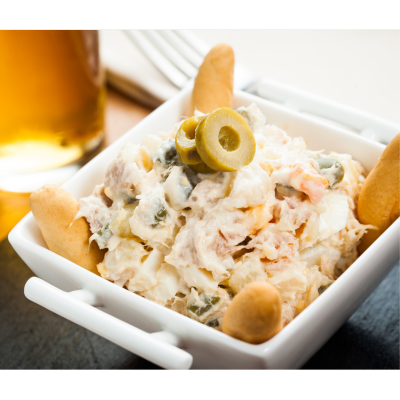
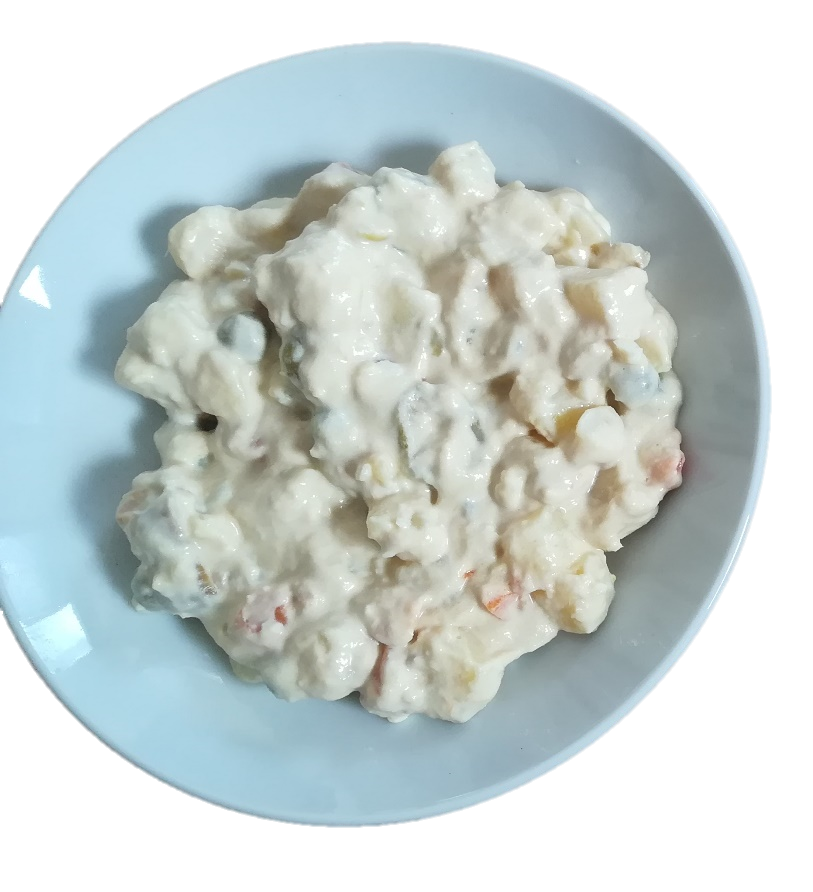
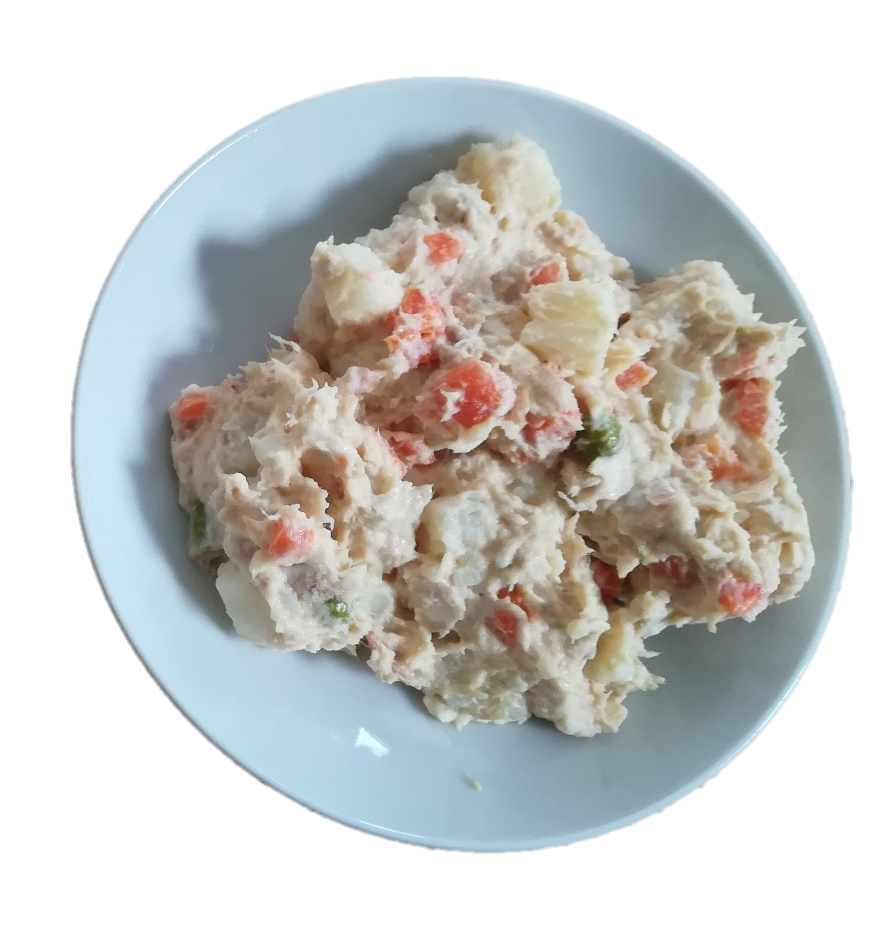
Listeria can grow in different food matrices such as fish (in smoked salmon) and seafood, in ready meals (Russian salad), in fresh dough (Blinis, precooked dough, pizza dough), in meats such as sausages (fuet, Easter sausage) and cold cuts, and in sauces (aioli, mayonnaise, cream cheese).

It is estimated that 1,600 people in the United States fall ill annually from listeriosis, with approximately 260 deaths. According to EFSA it is one of the most serious foodborne diseases.

What are the microbiological risks of consuming fresh cheeses?

Fresh and soft cheeses made with pasteurised milk are at risk of contamination during the production process (after pasteurisation of the milk) or during their shelf life depending on the storage conditions, in particular with Listeria monocytogenes.

There are several factors that also favour that fresh and soft cheeses present a high risk of contamination by this pathogenic bacterium:

  • High humidity.
  • Low salt content.
  • Low acidity.

These conditions favour the growth of Listeria monocytogenes during refrigerated storage, which increases the risk of infection.

Several studies on outbreaks of listeriosis revealed that soft cheeses made with pasteurised milk were implicated in more outbreaks than those made with raw milk. This could be due to increased consumption of these cheeses, public health messages advising people at higher risk of listeriosis not to eat cheeses made from unpasteurised milk, and conversely less care in handling cheese made from pasteurised milk due to a false sense of security.

In February 2021, CDC investigated an outbreak of listeriosis linked to the consumption of pasteurised cottage cheese. In total, 13 people became ill, four of them pregnant, resulting in two miscarriages and one premature birth. One person died. This outbreak confirms that pasteurisation of milk is not sufficient to eliminate the risk of subsequent contamination in soft cheeses.

In addition, certain groups, such as pregnant women, elderly people and people with weakened immune systems, are at an increased risk of developing serious Listeria infections when consuming fresh cheese, even if it is made from pasteurised milk.

Why is there a risk of Listeria development in fresh cheeses?

Fresh cheeses and those made from unpasteurised milk are more likely to be contaminated because they lack a long ripening process (which helps pathogenic bacteria to grow less easily).

Among the best known types of fresh cheeses are, for example, goat’s cheese, cottage cheese, mascarpone, ricotta, cottage cheese, mozzarella, ricotta and feta.

These cheeses have in common that they have a high moisture content and low acidity, factors that facilitate in particular the proliferation of Listeria. Listeria is able to reproduce in a very wide range of pH (from 4.0 to 9.6), temperature (from -1°C to 45°C) and water activity (from 0.90). As if this were not enough, it is able to remain dormant at freezing temperatures so that it can reproduce just as effectively once the product is thawed.

In many cases, despite the fact that the manufacturer complies with good manufacturing practices, these are foods with a microbiological risk, not only due to the development of listeria, as we have indicated above, but also of other pathogens such as Salmonella.

That is why at Amerex Ingredients we are committed to the theory of barriers and we offer natural preservatives that favour the food safety of these foods throughout their shelf life as an additional guarantee of preservation and safety.

What does the new regulation say about Listeria?

According to the legislation in force, a ready-to-eat food is considered to be liable to support the growth of Listeria monocytogenes if it complies with the following physico-chemical parameters:

  • pH > 4,4.
  • Water activity (aw) > 0,92.
  • pH > 5 and aw > 0.94 simultaneously.

According to the current Regulation (EU) 2024/2895, which amends Regulation (EC) 2073/2005 as regards Listeria monocytogenes, as from 1 July 2026 it shall be effective that:

  • Ready-to-eat foods that may support the growth of L. monocytogenes, other than those intended for infants or for special medical purposes, are required to be free of Listeria in all products placed on the market during their shelf-life.
  • However, there is an exception to this rule. A limit of 100 cfu/g of monocytogenes in products placed on the market during their shelf-life applies if the operator of the business that produced the food can demonstrate to the satisfaction of the competent authority that the level of Listeria monocytogenes will not exceed this limit.

This can be demonstrated through challenge tests or other predictive microbiology studies, always taking into account foreseeable storage and production conditions.

What products does Amerex offer for the control of Listeria in fresh cheese?

Amerex Ingredients offers effective solutions to control Listeria monocytogenes in fresh cheeses and other ready-to-eat products.

Amerex products, through demonstrations such as challenge tests, have been able to validate on numerous occasions and various ready-to-eat foods (or foods of concern that are not fully cooked for consumption) as having at least bacteriostatic power against Listeria and, in most cases, Listericidal action (negative growth potential against Listeria). These results serve as justification that the level of the pathogen will not exceed the limit, or can even be considered as ready-to-eat foods that do NOT support the growth of L. monocytogenes (as indicated in Regulation (EC) 2073/2005).

Among the solutions highlighted, Fermitrat Export is presented as a natural and effective alternative to inhibit the growth of Listeria, allowing companies to comply with new regulations without compromising product quality.

Want to find out more about these products? Contact us for a closer and more personalised advice through:


Amerex see you neXt time


Contact us at

0 + 1 = ?

NATURAL SUBSTITUTE FOR CALCIUM PROPIONATE IN BAKERY

In the bakery industry, the search for more natural ingredients and “clean label” products has become a priority, as in many other sectors. Consumers increasingly prefer products without artificial additives and with more natural ingredients.

One of the main challenges is finding a natural substitute for calcium propionate, a widely used preservative that extends the shelf life of bread and prevents the growth of mold and bacteria.

Recently, some companies have introduced more natural alternatives, such as a combination of fermented sugar and powdered vinegar, which has proven effective in preserving bread without synthetic additives. However, at the end of 2023, buffered vinegar was assigned an E-number, making it necessary to continue searching for other types of preservatives.

As a result, lactic acid bacteria have emerged as an innovative solution to replace calcium propionate, offering a healthier option aligned with current market trends.

What Additives Are Currently Used in Bakery?

Additives play a key role in the quality and safety of bread and other bakery products. Among them, preservatives are essential to prevent spoilage caused by microorganisms and to maintain food safety and sensory quality.

The main preservatives currently used in bakery include:

  • Calcium propionate (E282): Inhibits mold and bacterial growth in baked goods.
  • Ascorbic acid (E300): Acts as an antioxidant and improves bread texture.
  • Sodium benzoate (E211): Used in high-moisture products to prevent microbial growth.

All these preservatives have antifungal properties since mold is one of the primary concerns in this type of food. However, due to the growing demand for products without artificial additives, more manufacturers are looking for natural alternatives to replace these preservatives.

What Is the Function of Calcium Propionate in Bakery?

Calcium propionate is a preservative used worldwide to prevent mold and bacteria in bakery and pastry products. Although it is naturally found in some foods, such as Swiss cheese, the calcium propionate used in the bakery industry is typically synthetic.

Its primary function is to prevent mold growth while not interfering with yeast fermentation, making it ideal for traditionally leavened baked goods. Despite its effectiveness, its use is regulated and must be declared on labeling with its E-number (E282).

Moho en una barra de pan

What Regulations Apply to Calcium Propionate in Bakery?

The use of food additives, including calcium propionate (E282), is regulated by European Union legislation to ensure consumer safety. According to Regulation (EU) No. 1129/2011, which amends Annex II of Regulation (EC) No. 1333/2008, calcium propionate is authorized for use in bakery and pastry products.

Manufacturers should always check the specific regulations applicable to their country and product to determine precise usage limits.

In addition, Regulation (EU) No 966/2014 sets maximum limits for the concentration of fluoride in calcium propionate, ensuring that it does not exceed 50 mg/kg. This European Commission Regulation amends the specifications for calcium propionate by increasing the maximum limit of fluoride allowed in its composition from 10 mg/kg to 20 mg/kg. The reasons for the change are production difficulties. Calcium propionate is obtained from calcium oxide (E 529), whose maximum permitted fluorine concentration is 50 mg/kg. This has limited the availability of calcium oxide suitable for producing calcium propionate in compliance with the previous standard.

The following table shows the maximum levels of calcium propionate in different foods

Food             Maximun use(g/kg)
Bakery products 0,1 – 0,5 g/kg
Beverages 0,1 – 0,3 g/kg
Cheese 1 – 3 g/kg
Sausages 1 – 2 g/kg
Biscuits 0,1 – 0,3 g/kg

What Other Natural Preservation Systems Exist in the Market?

The food industry has developed natural solutions to preserve bread and reduce or eliminate synthetic preservatives.

One innovative method is using fermented sugar combined with powdered vinegar, which has shown effectiveness in extending bread shelf life similarly to calcium propionate. However, as previously mentioned, buffered vinegar now has an E-number, which may pose a concern for consumers.

The best alternative is lactic acid bacteria, which act as natural biopreservatives. These bacteria produce antimicrobial compounds that inhibit the growth of molds and harmful microorganisms, eliminating the need for synthetic additives.

How Can Lactic Acid Bacteria Replace Calcium Propionate?

Lactic acid bacteria have proven to be an effective and natural solution to replace calcium propionate in bakery products. These bacteria generate organic acids and antimicrobial peptides that help extend shelf life without compromising taste, texture, or safety.

Natural fermentations based on lactic acid bacteria not only function as preservatives but can also improve the sensory profile of bread, enhancing its flavor complexity and texture.

The current market increasingly demands clean-label solutions in bakery and pastry. While calcium propionate has long been the standard preservative, more natural and effective alternatives are available, such as fermented sugar combined with powdered vinegar or lactic acid bacteria.

At Amerex, we offer microbiology-based solutions for natural food preservation, enabling bakery and pastry manufacturers to develop safe, healthy, and preservative-free products without compromising shelf life or quality.

Want to learn more about our solutions to ensure food safety? Contact us and discover how our natural preservatives can help protect your products:

Amerex see you neXt time


Contact us at

2 + 0 = ?

NEW NITRIFYING AGENTS REGULATION: REDUCTION OF NITRATE AND NITRITE USE

For years, the reduction of nitrifying agents (nitrates and nitrites) in the meat industry has been a topic of discussion. Finally, on October 9, 2023, the European Union published Regulation 2023/2108, which came into effect on October 29, 2023, and will require many meat product manufacturers to modify their formulations.

Although companies have a two-year adaptation period (until October 9, 2025), this regulation will bring significant changes to the formulation of numerous meat products in Spain. The permitted levels of nitrites (E-249: potassium nitrite and E-250: sodium nitrite) and nitrates (E-251: sodium nitrate and E-252: potassium nitrate) will be reduced. Additionally, for the first time in the EU, mandatory regulation of residual nitrite levels and indicative nitrate levels has been established.

It is important to note that these new nitrate and nitrite limits will be mandatory starting October 9, 2025. However, meat products marketed before this date can remain on the market until the end of their shelf life.

Below, we will detail the changes in the maximum permitted levels of nitrifying agents and the natural alternatives offered by Amerex Ingredientes.

What Is the Technical Functionality of Nitrites and Nitrates in Meat Products?

To understand this regulation, it is essential to know the technological function of nitrifying agents in meat products, as nitrites and nitrates play a key role in the food safety of meat products.

Their main function is to inhibit the growth of pathogens such as Clostridium botulinum, preventing the development of dangerous toxins. In addition, they contribute to the stability of the colour, aroma and flavour of meat products, thanks to their antioxidant and technological properties. This dual function (preservation and sensory quality) makes them difficult to replace, especially considering the risk of contamination by Clostridium, one of the most dangerous bacteria in the food industry.

As a result, nitrifying agents are widely used in the meat industry.

What New Reference Does the Reform Introduce for Residual Levels of Nitrites and Nitrates?

Initially, the European Commission proposed mandatory residual values for both nitrites and nitrates. However, in the final version of the regulation only nitrites have mandatory residual limits, since nitrates have indicative values only

If indicative nitrate values are exceeded, meat companies must investigate the cause. This could create conflicts with health authorities, as the application of penalties or requirements will depend on the criteria of each regional authority in Spain.


What Are the New Permitted Levels of Nitrates and Nitrites?


Below, we indicate what the new nitrate and nitrite levels will be for the different meat products, in this case, meat companies will be able to choose between two mutually exclusive options for use:

1.      General Use of Nitrifying Agents in Meat Products and Certain Meat Preparations

The authorised uses and maximum quantities of nitrites that may be added during processing are as follows:

NITRITES (E-249 – E-250) Current Legislation New Limits (Effective October 9, 2025)
08.2 Meat Preparations (Spain: marinated pork loin, marinated pork skewer, marinated pork jowl, marinated pork rib) 150 ppm added (NaNO₂) 120 ppm added / 67 ppm residual (NaNO₂) or 80 ppm added / 45 ppm residual (NO₂)
08.3.1 Unheated Meat Products 150 ppm added (NaNO₂) 120 ppm added / 67 ppm residual (NaNO₂) or 80 ppm added / 45 ppm residual (NO₂)
08.3.2 Heat-Treated Meat Products 150 ppm added (NaNO₂) 120 ppm added / 67 ppm residual (NaNO₂) or 80 ppm added / 45 ppm residual (NO₂)
08.3.2 Sterilized Meat Products (F◦ > 3.00) 100 ppm added (NaNO₂) 80 ppm added / 40 ppm residual (NaNO₂) or 55 ppm added / 25 ppm residual (NO₂)
08.3.4 Traditional Cured Products 150-180 ppm added / 50-175 ppm residual (NaNO₂) 150 ppm added / 50-150 ppm residual (NaNO₂) or 105 ppm added / 30-105 ppm residual (NO₂)

As mentioned above, it should be borne in mind that the residual values are mandatory.

As far as nitrates (E-251 – 252) are concerned, their use is still limited in several categories:

NITRATES (E-251 – E-252) Current Legislation New Limits (Effective October 9, 2025)
08.2 Meat Preparations NOT AUTHORIZED NOT AUTHORIZED
08.3.1 Unheated Meat Products 150 ppm added (NaNO₃) 120 ppm added / residual (NaNO₃) or 90 ppm added / residual (NO₃)
08.3.1 Unheated Meat Products (Nitrate-Free Sausages & Large Bacon Pieces) 150 ppm added (NaNO₃) 150 ppm added / residual (NaNO₃) or 110 ppm added / residual (NO₃)
08.3.2 Heat-Treated Meat Products NOT AUTHORIZED NOT AUTHORIZED
08.3.4 Traditional Cured Products 250-300 ppm added / 10-250 ppm residual (NaNO₃) 250 ppm added / 10-205 ppm residual (NaNO₃) or 180 ppm added / 7-150 ppm residual (NO₃)

Residual values for nitrates are only indicative. However, if exceeded, companies must investigate the cause.

2.      Use of nitrifiers in traditional meat products (Category 08.3.4):

Derogations exist for traditional cured products (In Category 08.3.4 ‘Traditional cured meat products with specific provisions for nitrites and nitrates’), such as cured ham, cured shoulder, cured loin, cured beef jerky, chorizo and salami. The new regulation allows flexibility with the mention of ‘and other similar products’.

Here are the new limits:


Category 08.3.4. Traditional and traditionally cured meat products with specific provisions for nitrites and nitrates NITRITES (E-249 – 250)
  CURRENT LEGISLATION NEW LIMITS (from 9 October 2025)
Cured ham, cured shoulder, cured loin, cured pork loin, jerky and similar products: dry-cured with a stabilisation period of at least 10 days followed by a maturation period of at least 45 days Maximum Residual Amount 100 ppm (NaNO2) 100 ppm residual (NaNO2) or 65 ppm residual (NO2)
 Traditional sausage and chorizo and other similar products (matured for at least 30 days) Not Authorised Not Authorised


Category 08.3.4. Traditional and traditionally cured meat products with specific provisions for nitrites and nitrates NITRATES (E-251 – 252)
  CURRENT LEGISLATION NEW LIMITS (from 9 October 2025)
Cured ham, cured shoulder, cured loin, cured pork loin, jerky and similar products: dry-cured with a stabilisation period of at least 10 days followed by a maturation period of at least 45 days Maximum Residual Amount 250 ppm (NaNO3) 205 ppm residual (NaNO3) or 150 ppm residual (NO2)
 Traditional sausage and chorizo and other similar products (matured for at least 30 days) Maximum Residual Amount 250 ppm (NaNO3) 250 ppm additions and 130 ppm residual (NaNO3) or 180 ppm additions and 95 ppm residual (NO3)

Why has it been decided to modify the nitrifiers regulation and reduce their use?

As we mentioned at the beginning of this blog, the need to reduce the use of nitrifiers has been discussed for several reasons.

Firstly, already in 2017 the European Food Safety Agency (EFSA) assessed the safety of nitrates and nitrites in food, concluding that the permitted levels were safe. However, it identified that certain population groups could exceed the Acceptable Daily Intake (ADI) for nitrites. This, coupled with concerns about the formation of nitrosamines, prompted the European Commission to reduce the permitted levels.

European countries such as Denmark already applied stricter limits, which made it difficult to export Spanish meat products to these markets. Pressure from these countries prompted the revision of the regulations, culminating in the publication of Regulation 2023/2108.

In the case of the Spanish meat sector, intensive work has been carried out with the Spanish Agency for Food Safety and Nutrition (AESAN) and the European Commission to achieve a balance between food safety and industrial viability, as the microbiological risk of contamination by Clostridium is not a minor issue and it is essential to ensure consumer safety.

As a result of these negotiations, the limits set in the final regulation were more reasonable and adaptable to the needs of the industry.

Nevertheless, with the entry into force of Regulation 2023/2108, Annex II of Regulation 1333/2008 and the Annex of Regulation 231/2012 have been amended, establishing new limits for nitrifiers in meat products within the EU.

What Nitrite Substitutes Does Amerex Offer?

At Amerex, we are experts in natural preservation and have developed alternative solutions to reduce or replace nitrifying agents.

In our case, our technology is based on the use of starters. Our product Biamex NC, has a very innovative technology for the generation of the typical colour that nitrifiers would provide. In this way, thanks to a fixation reaction of the meat/fish protein itself, you can achieve an optimal replacement of nitrates, nitrites and/or nitro salts. In addition, this product incorporates another of our strains of ferments specialised in the action against sporogens such as clostridium botulinum.

We have several success stories of this product together with other preservatives that can help you to reduce the use of nitrifiers in order to adapt to legislation. We have both preservation and organoleptic technology so that your product is safe and organoleptically optimal for the consumer.

Want to learn more about our solutions to ensure food safety? Contact us and discover how our natural preservatives can help protect your products:

Amerex see you neXt time


Contact us at

0 + 2 = ?

PREVENTION OF FOOD TOXINS THROUGH NATURAL PRESERVATIVES

Food safety is a priority in the food and catering. Food toxins can cause serious health problems for consumers and damage the reputation of any business. Alerts about food recalls in supermarkets and reports of food poisoning at events caused by contaminated catering or restaurant food are frequent.

In this context, good food handling and preservation practices are important, as is the use of natural preservatives. Preservatives are positioned as an effective solution to prevent the generation of toxins produced by pathogenic bacteria, ensuring safer foods and often with clean-label options.

Below, we will answer frequently asked questions about the most common food toxins, their impact on the food industry, and how Amerex’s natural preservatives can help prevent them.

1. What Are Food Toxins?

Food toxins are harmful substances produced by microorganisms such as bacteria, fungi, or algae. These toxins can contaminate food during handling, storage, or preparation and, when ingested, can cause severe illnesses in consumers.

Some common examples well-known in the industry include:

  • Bacterial toxins: Produced by bacteria such as Bacillus cereus, Campylobacter, Clostridium botulinum, Clostridium perfringens, or Escherichia coli (commonly known as E. coli).
  • Mycotoxins: Generated by fungi, such as those from the Aspergillus or Fusarium genera.
  • Natural toxins: These are found in certain foods, such as solanine in green potatoes or biotoxins in shellfish.

Symptoms of foodborne intoxication can appear within hours or days. These often include stomach discomfort, diarrhea, and vomiting. In most cases, people recover without treatment. However, in some situations, foodborne intoxication can lead to severe illnesses or complications, potentially causing death.

2. What Is the Difference Between Food Poisoning and Foodborne Illness?

It is essential to clarify the difference between food poisoning and foodborne illness. Food poisoning results from consuming foods that already contain toxic substances. These substances may be live organisms (bacteria, viruses, moulds, parasites) or naturally occurring toxins in the food (like histamine), as well as substances such as additives, pesticides, or environmental contaminants. Examples of bacteria associated with food poisoning include Clostridium botulinum, Bacillus cereus, and Staphylococcus aureus. Foodborne illness, on the other hand, occurs when foods contaminated with live bacteria are consumed. These bacteria subsequently produce toxins within the body, such as salmonellosis.

In both cases, symptoms such as nausea, vomiting, diarrhea, and abdominal pain are common.

3. How Are Toxins Removed From Food?

Removing toxins depends on their origin. Cooking can commonly inactivate bacterial toxins, as many are sensitive to high temperatures and can be destroyed with proper cooking.

In other cases, specific techniques are used to neutralize toxins, although these methods are not always feasible for natural foods.

However, the main issue is that toxins are often present in ready-to-eat foods because they were either not inactivated during cooking or were generated during production.

For this reason, the best strategy is to use natural preservatives to prevent their formation due to poor manufacturing, handling, or storage processes that promote toxin development. Natural preservatives added during production act as an additional barrier, inhibiting the growth of microorganisms responsible for toxin generation throughout the product’s shelf life.

4. Which Foods Are Most Prone to Toxin Contamination?

As previously mentioned, toxins are produced by various pathogenic organisms that can contaminate a wide range of foods. However, some foods are more susceptible to this type of contamination:

Meats and fish are examples of foods that may harbor bacteria producing toxins if not stored or handled correctly. For instance, Clostridium perfringens can be found in meats, poultry, stews, and sauces. Generally, these foods are not kept hot enough when served to large groups or stored at room temperature for extended periods. Shellfish can also accumulate biotoxins derived from algae in their environment.

Canned or preserved products: Improper handling during manufacturing can promote the growth of bacteria such as Clostridium botulinum.

Improperly stored vegetables can contain natural toxins like solanine. Escherichia coli is common in raw or undercooked meat, unpasteurized milk, soft cheeses made from unpasteurized milk, and fresh fruits and vegetables.

5. What Causes Foodborne Illnesses?

As explained earlier, foodborne illnesses result from consuming foods contaminated with pathogenic bacteria and the toxins they produce. Several factors contribute to this situation:

  • Poor hygiene during food handling
  • Breaks in the cold chain
  • Cross-contamination during preparation
  • Use of contaminated or poorly preserved ingredients

This is why using natural preservatives as an additional barrier to ensure food safety and preservation is essential.

6. How Do Amerex’s Natural Preservatives Help Prevent the Formation of Food Toxins?

At Amerex, we have over 40 years of experience developing microbiology-based solutions that inhibit the growth of microorganisms responsible for producing food toxins, offering multiple benefits. The efficacy of our preservatives has been proven over the years. We provide preservatives that protect foods against pathogens such as Clostridium botulinum, Salmonella, and Escherichia coli.

Moreover, these are clean-label solutions—natural options that meet the demand for clean labels. Thanks to their format, they are highly versatile and tailored to various food sectors, including meats, dairy, seafood, and fifth-range products.

Preventing food toxins is essential to ensuring food safety and quality. With Amerex’s natural preservatives, companies in the food industry can effectively prevent toxin formation, protect their customers, and meet consumer and regulatory demands.

Want to learn more about our solutions to ensure food safety? Contact us and discover how our natural preservatives can help protect your products:


Amerex see you neXt time


Contact us at

5 + 0 = ?

PRESERVATIVES FOR PATHOGENIC BACTERIA IN HOSPITALITY

In  Hospitality (hotels, restaurants, and cafeterias), ensuring food safety is not just a legal obligation, but a commitment to the health of customers. Therefore, the use of preservatives should be a regular practice for food manufacturers supplying this sector.

The presence of pathogenic bacteria such as Salmonella, Clostridium botulinum, Escherichia coli, and Campylobacter poses serious risks that can lead to food poisoning, loss of reputation, and legal penalties. There are numerous cases—some quite recent—of food poisoning caused by these bacteria, leading to restaurant closures and subsequent loss of consumer trust.

In this article, we answer the most frequently asked questions from quality and R&D managers in the hospitality industry who seek to protect their businesses and ensure food safety.

1. Why is it so important to prevent pathogenic bacteria contamination in hospitality?

In hospitality (restaurants, catering services in hotels, or other establishments like schools) various ingredients and processes are handled that, if not properly controlled, can facilitate the proliferation of pathogenic bacteria. For this reason, preventing any type of contamination and adhering to operating protocols is crucial.

An outbreak of food poisoning caused by any of these pathogenic bacteria not only affects diners’ health but also causes economic losses due to temporary closures or legal claims. Additionally, such outbreaks often affect a large number of people.

This damages customer trust, impacts long-term reputation, and can result in non-compliance with food safety regulations, leading to fines.

2. What are the most concerning pathogenic bacteria in hospitality?

Among the most concerning pathogenic bacteria in hospitality, we find those well-known to food manufacturers supplying supermarkets:

  • Salmonella: Commonly found in raw meats, eggs, dairy products, and fresh produce like fruits and vegetables. It frequently causes food poisoning in hospitality settings, such as in Spanish omelets or dishes containing mayonnaise. Associated symptoms include fever, diarrhea, and vomiting (known as salmonellosis). Prevention requires strict temperature control during storage and cooking, along with rigorous hygiene measures.
  • Clostridium botulinum: The most dangerous aspect of this bacterium is its production of a neurotoxin that causes botulism, a severe disease affecting the nervous system. It is mainly found in improperly canned or preserved foods. Strict pH control and the use of appropriate preservatives are essential.
  • Escherichia coli (E. coli): Particularly concerning are the Shiga toxin-producing strains (STEC), which cause hemorrhagic diarrhea and kidney damage. It is mainly found in ground meat and fresh produce and is often the result of poor handling practices and breaks in the cold chain.
  • Campylobacter: One of the leading causes of gastroenteritis worldwide. Complete cooking and prevention of cross-contamination are critical.

3. What preservation ptrategies can help to deal with these pathogenic bacteria in hospitality?

Various preservation strategies can help combat these bacteria. Prevention is key for food manufacturers in the hospitality sector. It’s not just about following good handling and food preservation protocols; using preservatives that act as an additional barrier against the proliferation of these pathogenic bacteria is fundamental.

At Amerex Ingredients, we offer microbiology-based solutions that inhibit the growth of pathogenic bacteria. In addition, to extending the shelf life of foods without altering their taste, texture, or quality, our solutions meet clean-label standards, a growing consumer demand.

In hospitality, ensuring food safety is not optional; it is essential to protect customer health and the success of the business. With Amerex Ingredients’ solutions, R&D managers can implement effective strategies to combat the most concerning pathogenic bacteria naturally and sustainably.

4. What natural preservatives does Amerex offer to combat pathogenic bacteria in hospitality?

At Amerex, we have developed highly effective clean-label preservatives to protect against common pathogenic bacteria in hospitality, such as Salmonella, E. coli, Clostridium botulinum, etc. Our protective ferments consist of beneficial bacteria that inhibit the proliferation of these pathogens, ensuring food safety throughout its shelf life.

Additionally, we offer customized solutions, adapting our technologies to the specific needs of each hospitality business. With 40 years of experience, our preservatives have been tested against the most common pathogens in the industry. Our preservatives are also clean-label, natural solutions that cater to consumer demand for products without artificial chemicals.

If you need assistance from our technical team, we provide support in implementing our preservatives, adapting to each client’s specific processes.

Are you looking to protect your food and offer safer, more natural products? Contact us and discover how we can help transform food safety in your business.

Amerex see you neXt time


Contact us at

2 + 3 = ?

Tendencias en conservación natural del sector alimentario en 2025

¡Bienvenidos nuestra última entrada del blog! El 2025 ya está aquí y con él llegan avances y tendencias que prometen revolucionar el sector alimentario. Desde soluciones innovadoras en conservación natural hasta alternativas sostenibles a los aditivos tradicionales, este año se perfila como un punto de inflexión hacia un futuro más limpio, sostenible y orientado al consumidor.

En este último blog vamos a estudiar las principales tendencias que marcarán la industria alimentaria en 2025 y cómo estas impactan en el desarrollo de productos y tecnologías.

1. Etiquetado limpio y conservación natural: la prioridad de los consumidores

Desde hace varios años, la prioridad de los consumidores ha sido el etiquetado limpio, libre de aditivos y priorizando que no estén altamente procesados. El deseo por alimentos naturales y sin “ingredientes sospechosos” es una tendencia que sigue en aumento. Los consumidores exigen soluciones que prolonguen la vida útil de los productos sin comprometer la transparencia o la calidad.

  • Conservación natural: Ingredientes como extractos botánicos, fermentos y cultivos protectores están reemplazando a los conservantes artificiales.
  • Aumento del clean label: Los consumidores buscan etiquetas más simples, entendibles y libres de “números E”.

Por nuestra parte, llevamos años ayudando a empresas a conservar sus productos de forma segura y clean label gracias a nuestras soluciones microbiológicas basadas en fermentos naturales.

2. Tecnologías avanzadas para una conservación sostenible

La innovación tecnológica juega un papel crucial en la conservación de alimentos, no solo se busca innovación en cuanto a ingredientes sino a otro tipo de tecnologías, como por ejemplo:

  • Envases activos: Diseñados para interactuar con los alimentos, absorben oxígeno o liberan antioxidantes naturales, alargando su vida útil.
  • Tecnologías de barrera: Revestimientos comestibles basados en algas o quitosano que prolongan la vida útil sin añadir conservantes.
  • Procesos físicos: Como el uso de pulsos eléctricos o luz ultravioleta, que eliminan microorganismos sin necesidad de aditivos químicos.

3. Alternativas a aditivos: se busca lo natural

El mercado sigue buscando alternativas a los aditivos tradicionales, marcando un cambio hacia soluciones más sostenibles y menos procesadas. En esta búsqueda, existen dos ejemplos como son, las proteínas funcionales, usadas para reemplazar estabilizantes en productos lácteos o carnes; y los ya conocidos extractos de hierbas y especias que actúan como conservantes antioxidantes y antimicrobianos.

En Amerex sin embargo, desarrollamos de manera personalizada alternativas clean label que cumplen con las normativas más exigentes y las demandas de los consumidores basadas en microbiología.

4. Fermentación y microbiología: los protagonistas del año

La biotecnología basada en fermentación se posiciona como la herramienta clave para soluciones naturales en conservación.

  • Fermentos protectores: Cultivos específicos que inhiben patógenos y prolongan la vida útil sin alterar el sabor ni la textura.
  • Probióticos y postbióticos: Aumentan la funcionalidad de los alimentos, haciendo que sean más saludables y duraderos.
  • Expertise de Amerex: Con más de 40 años de experiencia, ofrecemos soluciones a medida para la conservación natural y sostenible basada en fermentación protectora. Si quieres saber saber más no dudes en contactarnos.

El 2025 trae consigo grandes oportunidades para quienes apuesten por la innovación y las soluciones naturales. En Amerex, seguimos comprometidos con liderar el cambio, ofreciendo alternativas a los aditivos tradicionales y desarrollando soluciones clean label que marcan la diferencia.

¡Si estás buscando implementar tendencias en conservación natural o necesitas alternativas personalizadas para tus productos, no dudes en contactarnos!

• Escríbenos un correo a: imasd@amerexingredientes.com
• Llámanos al: 91 845 42 14
• Rellena el formulario a continuación

Hasta la próxima

Conoce Nuestros Productos


Contáctanos

3 + 4 = ?

ADDITIVES AND PRESERVATIVES FOR CEPHALOPODS

Cephalopods, such as squid, octopus, and cuttlefish, are highly valued seafood products in both global and national gastronomy. However, the processes of catching, handling, and preparing these animals pose specific challenges related to preservation and yield optimization.

In this article, we address key questions about cephalopods and explore how Amerex’s clean-label additives and preservatives can improve the yield and quality of these products.

What are cephalopods?

Cephalopods are a group of marine mollusks known for their intelligence and complex behavior, including species like squid and octopus. Anatomically, their large head is accompanied by limbs and tentacles surrounding the mouth, aiding in navigation and feeding. This aligns with their name derived from the Greek “cephalos” (head) and “podos” (feet), as their tentacles are directly connected to their head.

The current orders with existing species include:

  • Sepiida (Cuttlefish)
  • Teuthida (Squid)
  • Octopoda (Octopus)
  • Cephalopoda (Pota)

What types of cephalopods are most common in the Food Industry?

In the fishing and food industry, cephalopods stand out for their delicious meat, unique texture, and culinary versatility. The consume of these molluscs at home is becoming more and more common thanks to the fact that the food industry has made it easier to buy them in supermarkets.

The most valued molluscs include:

  • Squid: Highly prized for its tender meat and ease of preparation.
  • Octopus: Appreciated for its firm texture and intense flavor.
  • Cuttlefish: Known for its ink, which is used in various culinary preparations.

Global production of cephalopods exceeds 5,000,000 tons. Spain, for instance, reports catches of 57,797 tons, ranking 17th worldwide. In Spain, the fishing tradition and consumption of seafood, including cephalopods, form the foundation of its culinary culture, with regions such as Galicia and southern Spain standing out.

How are cephalopods processed for sale?

Cephalopods must undergo several processes before being sold and reaching consumers. These processes include:

  1. Cleaning: To remove viscera, skin, and cartilage.
  2. Cutting: Into slices, strips, or whole pieces based on market demand.
  3. Freezing: To preserve freshness and facilitate transportation.
  4. Treatment with additives: To improve characteristics such as texture, color, and shelf life.

In this last step, Amerex offers the industry a wide range of natural preservatives, with extensive experience in cephalopods focusing on three main objectives:

  • Improving and maintaining color
  • Food safety
  • Increasing yield or water retention

What does the yield parameter mean in relation to cephalopods?

Yield refers to the amount of usable final product after cleaning and preparation processes.

For example, in squid, yield can vary depending on the type of cut, water retention, and post-harvest handling. Optimizing this parameter is crucial for profitability, especially for products intended for export or the HORECA market.

To achieve this, Amerex provides manufacturers with preservatives capable of improving yield by up to 28%.

What additives are commonly used for cephalopods preservation?

Certain additives are used in the food industry to improve the quality and yield of cephalopods, as listed in Annex II of Regulation (EC) No 1333/2008. Among the most common are:

  1. E451 (Triphosphates): Help increase water retention in muscle tissues, reducing drip loss after thawing.
  2. E452 (Polyphosphates): Similar to triphosphates, they improve texture and prolong freshness but must be used within regulatory limits.
  3. E331 (Sodium citrate): An antioxidant that prevents protein oxidation and helps maintain the natural color of the product.
  4. E301 (Sodium ascorbate): Helps preserve freshness by inhibiting oxidation processes.
  5. E262 (Sodium acetate): Acts as a preservative, preventing bacterial growth during storage.

Although these additives are effective, there is a growing demand for natural alternatives and clean-label solutions that reduce the perception of artificial additives in products.

What preservatives does Amerex offer for Cephalopods preservation?

Amerex Ingredients provides a wide range of natural preservatives based on biotechnological solutions designed to enhance the quality and yield of seafood products. Some of these solutions stand out for their water retention capabilities (yield), based on ferments that minimize weight loss without compromising texture or flavor. Additionally, antimicrobial cultures containing beneficial bacteria inhibit pathogens and microorganisms responsible for spoilage. These are clean-label ingredients, serving as phosphate alternatives to meet the demand for more natural products.

Optimizing cephalopod yield not only improves the profitability of fishing and processing companies but also ensures high-quality products that meet consumer expectations. With Amerex Ingredients’ preservatives, companies can reduce the use of artificial additives, embrace natural ingredients, and achieve exceptional results in their seafood products.

Want to learn more about our clean-label solutions? Contact us and discover how Amerex can transform the yield of your cephalopods!

Amerex see you neXt time


Contact us at

2 + 5 = ?

PRESERVATIVES AGAINST LISTERIA IN READY MEALS

The ready meals food industry has obtained popularity in recent years due to its convenience, quality and added value. In a world where many workers eat at work, it has become a cheaper option than going to a restaurant, or quicker if you don’t have time to prepare the next day’s meal at home.

However, ensuring food safety and extending the shelf life of this type of food are key challenges for R&D managers in the food industry.

We will now address the main concerns related to the microbiology of these products and finally present the innovative preservation solutions that Amerex offers to these companies.

What are ready meals?

Ready meals are prepared and cooked products that, after a pasteurisation or sterilisation process, are vacuum or protective atmosphere packaged and ready to eat, usually after heating in an oven or microwave.

This food segment includes gourmet ready meals such as different types of rice dishes, roast chicken, vegetable preparations, salads, soups, sauces and side dishes etc. Aimed at consumers looking for a quick pre-prepared food without compromising on quality.

As we can see, there are fresh prepared dishes (salad or potato omelette) and others that have undergone heat treatment or HPP (rice, chicken, creams), which will also determine the microbiological and shelf-life problems of the food.

What microbiological problems affect ready meals?

Despite controls during production, ready meals may be exposed to microbiological contamination, especially after thermal processing and packaging.

Storage temperatures and subsequent handling are critical factors that may favour the growth of undesirable microorganisms and often these parameters cannot be assured.

  • In the case of fresh ready meals, organoleptic problems caused by heterofermentative bacteria affecting texture, flavour, colour, etc. are more likely to occur.
  • In the case of treated ready meals, secondary shelf life can also be compromised with undesirable acidification and the appearance of moulds and yeasts.

What are the main pathogens in ready meals?

One of the main pathogens that can be found in ready meals is Listeria monocytogenes. Listeria is a bacterium capable of growing under refrigerated conditions and is known to cause listeriosis, a disease that can be serious in vulnerable populations such as pregnant women, the elderly and immunocompromised persons.

Other relevant pathogenic microorganisms affecting this type of food also include: Salmonella, Escherichia coli and Clostridium botulinum.

Why is it important to prevent Listeria contamination in ready meals?

Listeria represents a food safety challenge due to its ability to adapt to harsh environments, including cold. In addition to the health problems it can cause, a single case of listeria can have a serious impact on brand reputation and regulatory compliance. Implementing effective control strategies is therefore critical.

On 21 November 2024, an amendment to Regulation (EU) 2024/2895 was published, introducing changes to the food safety criteria for Listeria monocytogenes. Regulation (EU) 2024/2895 was published, amending Regulation (EC) No 2073/2005 as regards the food safety criteria for Listeria monocytogenes. As mentioned above, this pathogen represents a serious risk to public health due to its high lethality rate, as evidenced in the EFSA report on zoonoses, which reported a 15.9% increase in cases of listeriosis in 2022 compared to 2021.

In this case the amendment establishes that the criterion of ‘Listeria monocytogenes not detected in 25 g’ will apply to all ready-to-eat foods during their shelf-life, in those products that may allow the bacteria to grow.

This measure aims to provide a high and consistent level of protection throughout the food chain, from production to distribution, to ensure consumer safety and affects many of the pre-cooked convenience foods discussed in the article.

What natural preservatives does Amerex offer for ready meals preservation?

Amerex Ingredients has more than 40 years of experience in biotechnology developing innovative and natural microbiology-based solutions to improve shelf life and food safety. For ready meals, Amerex includes a range of products including protective cultures that prevent the development of pathogenic microorganisms and help maintain the microbiological stability of the product.

In addition, we are able to offer customised solutions, designed according to the specific needs of the product and its sensory profile, ensuring a clean label approach.

Food safety and shelf life are essential pillars for the success of pre-cooked convenience foods. Amerex Ingredients’ natural and customised solutions enable companies in the sector to meet market expectations while ensuring safe and high quality products.

Do you want to know more about how our clean label solutions can benefit your business? Contact us and discover the innovation that Amerex Ingredients can bring to your ready meals!

Amerex see you neXt time


Contact us at

0 + 7 = ?