PREVENTION OF FOOD TOXINS THROUGH NATURAL PRESERVATIVES
Food safety is a priority in the food and catering. Food toxins can cause serious health problems for consumers and damage the reputation of any business. Alerts about food recalls in supermarkets and reports of food poisoning at events caused by contaminated catering or restaurant food are frequent.
In this context, good food handling and preservation practices are important, as is the use of natural preservatives. Preservatives are positioned as an effective solution to prevent the generation of toxins produced by pathogenic bacteria, ensuring safer foods and often with clean-label options.
Below, we will answer frequently asked questions about the most common food toxins, their impact on the food industry, and how Amerex’s natural preservatives can help prevent them.
1. What Are Food Toxins?
Food toxins are harmful substances produced by microorganisms such as bacteria, fungi, or algae. These toxins can contaminate food during handling, storage, or preparation and, when ingested, can cause severe illnesses in consumers.
Some common examples well-known in the industry include:
- Bacterial toxins: Produced by bacteria such as Bacillus cereus, Campylobacter, Clostridium botulinum, Clostridium perfringens, or Escherichia coli (commonly known as E. coli).
- Mycotoxins: Generated by fungi, such as those from the Aspergillus or Fusarium genera.
- Natural toxins: These are found in certain foods, such as solanine in green potatoes or biotoxins in shellfish.
Symptoms of foodborne intoxication can appear within hours or days. These often include stomach discomfort, diarrhea, and vomiting. In most cases, people recover without treatment. However, in some situations, foodborne intoxication can lead to severe illnesses or complications, potentially causing death.
2. What Is the Difference Between Food Poisoning and Foodborne Illness?
It is essential to clarify the difference between food poisoning and foodborne illness. Food poisoning results from consuming foods that already contain toxic substances. These substances may be live organisms (bacteria, viruses, moulds, parasites) or naturally occurring toxins in the food (like histamine), as well as substances such as additives, pesticides, or environmental contaminants. Examples of bacteria associated with food poisoning include Clostridium botulinum, Bacillus cereus, and Staphylococcus aureus. Foodborne illness, on the other hand, occurs when foods contaminated with live bacteria are consumed. These bacteria subsequently produce toxins within the body, such as salmonellosis.
In both cases, symptoms such as nausea, vomiting, diarrhea, and abdominal pain are common.
3. How Are Toxins Removed From Food?
Removing toxins depends on their origin. Cooking can commonly inactivate bacterial toxins, as many are sensitive to high temperatures and can be destroyed with proper cooking.
In other cases, specific techniques are used to neutralize toxins, although these methods are not always feasible for natural foods.
However, the main issue is that toxins are often present in ready-to-eat foods because they were either not inactivated during cooking or were generated during production.
For this reason, the best strategy is to use natural preservatives to prevent their formation due to poor manufacturing, handling, or storage processes that promote toxin development. Natural preservatives added during production act as an additional barrier, inhibiting the growth of microorganisms responsible for toxin generation throughout the product’s shelf life.
4. Which Foods Are Most Prone to Toxin Contamination?
As previously mentioned, toxins are produced by various pathogenic organisms that can contaminate a wide range of foods. However, some foods are more susceptible to this type of contamination:
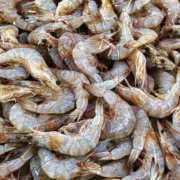
Meats and fish are examples of foods that may harbor bacteria producing toxins if not stored or handled correctly. For instance, Clostridium perfringens can be found in meats, poultry, stews, and sauces. Generally, these foods are not kept hot enough when served to large groups or stored at room temperature for extended periods. Shellfish can also accumulate biotoxins derived from algae in their environment.
Canned or preserved products: Improper handling during manufacturing can promote the growth of bacteria such as Clostridium botulinum.
Improperly stored vegetables can contain natural toxins like solanine. Escherichia coli is common in raw or undercooked meat, unpasteurized milk, soft cheeses made from unpasteurized milk, and fresh fruits and vegetables.
5. What Causes Foodborne Illnesses?
As explained earlier, foodborne illnesses result from consuming foods contaminated with pathogenic bacteria and the toxins they produce. Several factors contribute to this situation:
- Poor hygiene during food handling
- Breaks in the cold chain
- Cross-contamination during preparation
- Use of contaminated or poorly preserved ingredients
This is why using natural preservatives as an additional barrier to ensure food safety and preservation is essential.
6. How Do Amerex’s Natural Preservatives Help Prevent the Formation of Food Toxins?
At Amerex, we have over 40 years of experience developing microbiology-based solutions that inhibit the growth of microorganisms responsible for producing food toxins, offering multiple benefits. The efficacy of our preservatives has been proven over the years. We provide preservatives that protect foods against pathogens such as Clostridium botulinum, Salmonella, and Escherichia coli.
Moreover, these are clean-label solutions—natural options that meet the demand for clean labels. Thanks to their format, they are highly versatile and tailored to various food sectors, including meats, dairy, seafood, and fifth-range products.
Preventing food toxins is essential to ensuring food safety and quality. With Amerex’s natural preservatives, companies in the food industry can effectively prevent toxin formation, protect their customers, and meet consumer and regulatory demands.
Want to learn more about our solutions to ensure food safety? Contact us and discover how our natural preservatives can help protect your products:
- Email us at: imasd@amerexingredientes.com
- Call us at: 91 845 42 14
- Fill out the form below.


Nuria Lázaro is the R&D and Quality Manager for Amerex’s technical team. She holds a degree in Biology and a master’s degree in Biotechnology. She brings her experience in food preservation and safety, specializing in legislation and the development of new preservatives and antioxidants.