Posts

FERMITRAT N, FERMENT FOR COLOUR DEVELOPMENT

In both the meat and fish industries, achieving an attractive and stable colour in cured or processed products is essential to ensure consumer acceptance. Traditionally, nitrites have been the most widely used resource for this purpose, but the growing demand for clean labels and more natural foods has driven the search for natural alternatives. At the same time, new legislation requires stricter limits on the use of this chemical additive.

In this context, Amerex’s Fermitrat N is presented as an innovative solution that allows the development of characteristic colour and aroma as a complement to nitrites, enabling compliance with current legislation.

In the following blog, we analyse in detail this new legislation affecting the use of nitrites and nitrates: New regulations on nitrifying agents: reduction in the use of nitrates and nitrites.

1. In which foods are nitrites used and what is their technological functionality?

Nitrites are chemical compounds containing oxygen and nitrogen that occur naturally (in soil and water) and are used as preservatives in the food industry (E-249, E-250).

Nitrates and nitrite salts are commonly added during the production of a wide variety of meat products (cooked and cured hams, sausages such as chorizo, bacon and other injected products), fish and cheese. As mentioned above, they are also found naturally in green leafy vegetables such as spinach, lettuce and rocket, which are our main source of nitrate in the diet, and in drinking water.

Their technological functionality is very well defined. They are used to develop and stabilise the characteristic colour of cured products. They also ensure the typical aroma and flavour of cured products. Furthermore, they have a dual preservative function, as they prevent the growth of pathogens, especially Clostridium botulinum. Finally, their antioxidant properties help to maintain quality throughout the shelf life.

However, the use of nitrites is increasingly being questioned. Excessive amounts of nitrites can impair the blood’s ability to carry oxygen, causing symptoms such as weakness and tachycardia. In addition, they can contribute to the formation of nitrosamines, some of which are carcinogenic. For these reasons, they are a public health concern as they are associated with diseases such as cancer.

2. What are the legislative limits applied to nitrites?

European legislation strictly regulates the use of nitrites in food through Regulation (EC) 1333/2008, recently amended by Regulation (EU) 2023/2108.

Some examples of the current limits that apply are:

Product category Added nitrite limit (ppm) Residual limit (ppm)
Non-heat-treated meat products 120 o 80 67 o 45
Heat-treated meat products 120 o 80 67 o 45
Traditional cured products 150 50-150
Sterilised products 80 40

These limits are mandatory from October 2025 and represent a significant reduction compared to previous legislation, increasing pressure on manufacturers to reformulate their products without compromising their safety, colour and flavour.

3. Ferment complementary to nitrites to comply with legislation.

With the aim of reducing the use of nitrites in food, Amerex has developed innovative solutions based on applied microbiology. One example is our Fermitrat N ferment.

FERMITRAT N is a concentrated ferment of micrococci and staphylococci designed to promote the natural development of colour and aroma in meat products. Its action maintains the sensory and visual quality of food, while complying with consumer demands for clean labelling and natural preservation.

Furthermore, as a natural solution, Fermitrat N not only meets the most stringent regulatory requirements, but also provides additional microbiological safety thanks to its competitive action against unwanted microorganisms.

4. How to apply Fermitrat N ferment

The application of any Amerex ferment, and specifically Fermitrat N, is very simple and adapts to different production processes. We always recommend adding it at the beginning of the process along with the rest of the ingredients and following the usual manufacturing process.

In summary, the steps to follow to apply Fermitrat N ferment are as follows:

  • Dissolution: The contents of the sachet are diluted in water.
  • Distribution: The mixture is added to the dough in the cutter or mixer. Ensure that the product is distributed evenly throughout the food.
  • Application in injected products: Add directly to the brine just before injection.

The recommended dose is 50-100 grams per 100-200 kg of mass, adjusting the amount according to the type of product and the desired colour profile.

Thanks to its versatility, Fermitrat N allows manufacturers to maintain the visual and organoleptic appeal of food without resorting to nitrites, offering a safe and natural path to clean label formulations.

We have several success stories in the meat and fish sector with the use of this natural preservative. If you would like to know more, please contact us and a technician will help you with whatever you need.

You can do so via:


Amerex see you neXt time


Contact us at

0 + 7 = ?

SAUSAGE FERMENTATION PROCESS WITH STARTER CULTURES

In the food industry, the production of sausages is an art that has evolved over the centuries. Today, the production of cured and fermented sausages combines tradition with advanced technology to ensure high-quality products. A key element in this process is the use of starter cultures, also known as ferments, which allow for the control and optimization of the fermentation and curing of sausages.

In this blog, we will explore the different types of sausages, the crucial role of maturation starters, and the benefits they bring, as well as introduce the specialized range of products that Amerex Ingredientes offers to the meat industry.

Sausages are meat products (currently, vegan sausages are also made) prepared from minced meat, fat, and spices, stuffed into natural or artificial casings, which can undergo various processes such as cooking, curing, or fermentation. There are several types of sausages, which are generally divided into two main categories:

  • Cooked sausages: As the name suggests, they undergo a cooking process, giving them a soft and juicy texture. Typical examples include cooked ham, mortadella, and sausages.
  • Cured or fermented sausages: These undergo a maturation or fermentation process that gives them a more intense flavor and texture. Among them are chorizo, salami, and fuet. The quality and characteristics of these products largely depend on the use of specific maturation starters or ferments.

Starter cultures , also known as ferments or maturation cultures, are cultures of microorganisms (bacteria, yeasts, and fungi) that are added to sausages to control and accelerate the fermentation and curing process. The main genera used in starter cultures are Lactobacillus and Pediococcus.


These microorganisms play an essential role in the transformation of sugars present in meat into organic acids, especially lactic acid, which contributes to food safety by improving the flavor, texture, and sensory characteristics of the sausage.

Fermentation is the key process in the production of cured sausages, where the microorganisms present in the starters convert carbohydrates into lactic acid. This process lowers the sausage’s pH, increasing its stability and preservation. Additionally, fermentation contributes complex and distinctive flavors to the final product.

Cured involves dehydration and the action of these microorganisms over time, leading to the development of firmer textures and a unique aroma. Both fermentation and curedare essential processes to ensure the quality and safety of fermented sausages.

The use of starter cultures in sausage production (meat fermentation) offers numerous benefits:

  • Control of the process: Starters allow for controlled fermentation, ensuring that the sausage’s pH drops precisely and at the appropriate time, guaranteeing a safe and high-quality product.
  • Consistency in flavor and texture: By using starters, greater uniformity is achieved in production batches, ensuring that each sausage has the same sensory characteristics.
  • Reduction of microbiological risks: By lowering the pH rapidly, the growth of pathogenic bacteria is inhibited, improving the food safety of the sausage.
  • Acceleration of the curing process: The use of starters accelerates the time required for the sausage to be ready for consumption, thus optimizing the production process.

In addition to these benefits, ferments can also be used as broad-spectrum protective agents.

At Amerex Ingredientes, we offer a comprehensive range of maturation starters under our Fermitrat product range.

These starters are designed to meet all the needs of the fermented sausage industry, with options that adapt to different pH drop rates and organoleptic characteristics. We offer Fermitrat U-SF, the fastest ferment in the range, ideal for products requiring a rapid pH drop. This starter is perfect for sausages where an accelerated fermentation process is sought without compromising the safety and quality of the final product.
We also offer Fermitrat S4, ideal for those who prefer a more moderate fermentation. Fermitrat S4 provides controlled pH reduction and allows for the development of more complex flavors, perfect for high-quality artisanal sausages.

All Fermitrat starters contain carefully selected combinations of microorganisms, designed to enhance the characteristic color and aroma of fermented sausages. Additionally, at Amerex, we develop ferments with exclusive capabilities, such as Fermitrat RT, which has the unique ability to fix nitrite color without the need for an additional supplement, optimizing the production process and improving the quality of the sausage.

If you want to learn more or find out how we can help improve your sausage production processes, don’t hesitate to contact us!

Contact us at

0 + 2 = ?


LACTIC ACID (E-270) AND LACTATES SUBSTITUTE IN COOKED MEAT

Lactic acid and lactates are used as preservatives, mainly against yeasts, molds, and other food-degrading bacteria, but natural alternatives exist to achieve clean label foods.

Below, we will detail the functionality of these chemical additives, which are also used to increase the stability of antioxidants and to prevent water loss in various products.

Lactic acid (E-270) is an organic compound that is naturally produced during the fermentation of carbohydrates by lactic acid bacteria. In the food industry, lactic acid is used as a preservative and acidulant.

It’s use is recognized and regulated by Regulation (EC) No 1331/2008 of the European Parliament and Council of December 16, 2008, establishing a common authorization procedure for food additives, enzymes, and flavorings, and is identified on food labels with the number E-270. Lactic acid can be obtained naturally or synthetically by fermenting various types of sugar with lactic acid bacteria. From lactic acid, other commonly used food preservatives in the industry, particularly in cooked meat products, can be derived.

These food preservatives are lactates and can be identified on food labels with the following numbers:

  • Sodium Lactate (E-325)
  • Potassium Lactate (E-326)
  • Calcium Lactate (E-327)
  • Ammonium Lactate (E-328)
  • Magnesium Lactate (E-329)
  • Ferrous Lactate (E-585)
  • Choline Lactate (E-1001vi)

Lactate is a salt derived from lactic acid that is present as a food additive in many foods. Some foods containing lactates include:

  • Cooked meat products, such as cooked ham and sausages.
  • Bakery and pastry products.
  • Fermented beverages, such as beer and wine.
  • Dairy products, such as cheeses and yogurts.

As mentioned earlier, there are different types of lactate salts, for example, calcium lactate used in packaged products like desserts and ice creams, bakery products, or sodium lactate widely used in cooked meat products.

By reading the label of any cooked ham, you can find the following ingredients and additives:

Cooked ham: pork ham, water, sodium lactate, salt, dextrose, lactose, stabilizers (E-451, E-462), gelling agents (E-407, E-416), flavors, antioxidant (E-301), preservatives (E-250, E-243).

Cooked ham is an example of a food that consumers consider healthy yet has a fairly extensive list of chemical additives. At Amerex, for example, we work with natural preservatives to replace lactate in cooked products, as well as to replace the rest of the chemical additives.

Jamón cocido lactato y ácido láctico

The mechanism of action of sodium lactate is based on two principles:

  • pH Reduction: By reducing the product’s pH, it creates a hostile environment for the growth of pathogenic bacteria and undesirable microorganisms.
  • Osmotic Interference: Sodium lactate affects the osmotic pressure within bacterial cells, making their survival and multiplication difficult.

In summary, sodium lactate is a salt that acts as an undissociated acid that passes through the microbial membrane to acidify the cellular interior. As a result, intracellular pH acidifies, and cellular metabolism can rapidly decrease, leading to cell death.

In cooked meat products, such as cooked ham, lactate plays a crucial role. It is added to inhibit the growth of pathogenic bacteria and prolong the product’s shelf life by regulating acidity. Additionally, lactates help maintain the texture and juiciness of the meat, improving water retention and the firmness of the final product.

In the food industry, lactate is a widely used additive, especially in meat products that are susceptible to deterioration by lipid oxidation and the production of rancid off-flavors, particularly in sausages due to their high-fat content. Lactate helps delay this bacterial decomposition, increasing the shelf life and sensory quality of the food.

However, there are natural substitutes for lactate and lactic acid whose action is equivalent to these chemical additives and can sometimes even improve it. If you want to know what lactate substitutes for cooked products we have at Amerex, keep reading!

At Amerex, we are a biotechnology company with over 40 years of experience in natural preservatives, and we are committed to offering healthy and safe solutions for food preservation. We aim to provide our customers with natural preservatives that not only ensure food safety and quality but also respond to consumer demands for healthier products with cleaner labels.

From the Biamex range of fermentates to the Safemix range of natural flavors, we have multiple products that can be used as substitutes for lactate or lactic acid, for example, or other chemical additives like nitrites.

If you want more information about our natural preservation solutions, don’t hesitate to contact us!

Amerex see you neXt time

Contact us at

0 + 2 = ?

DISCOVER THE BEST NATURAL ALTERNATIVES TO CHEMICAL ADDITIVES IN ULTRA-PROCESSED FOODS

The search for natural alternatives to chemical additives is one of the main objectives of the food industry. In today’s age, where health and wellbeing are a priority, the food industry is undergoing a revolution in terms of the ingredients and processes they use in food. More and more consumers are demanding less processed and more natural foods, free of artificial additives.

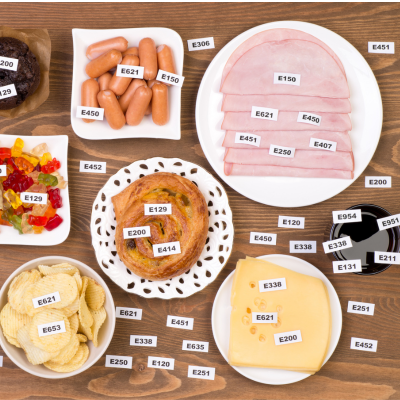
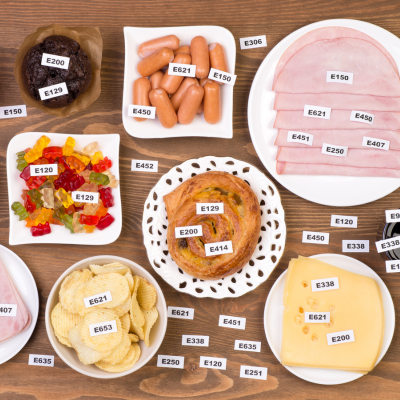
Ultra-processed foods are known for the large number of chemical additives on their labels. These additives are used to improve organoleptic or safety aspects of the food, but are there natural options to replace them?
In today’s blog we bring you a guide to the best natural alternatives to additives in your ultra-processed foods, so you can offer a healthier and microbiologically safer food!

Chemical additives are substances added to foodstuffs for the purpose of improving their taste, texture, colour or durability. They are regulated by Regulation (EC) No 1333/2008 of the European Parliament and of the Council of 16 December 2008, which lists, under the associated E number, all additives permitted in the European Union and their restrictions on use.

The current concern about these additives is due to studies that have suggested that excessive consumption of additives in ultra-processed foods (such as sausages, ready meals, pastries, etc.) could be linked to various health risks: such as allergies, metabolic disorders and adverse effects on gastrointestinal health.

The lack of transparency in product labelling often also makes it difficult for consumers to make informed food choices. This is why consumers are increasingly looking for natural alternatives that are free of artificial additives.

Chemical additives used in ultra-processed

There is a wide variety of natural alternatives to chemical additives in the ingredients market. Ultra-processed foods often need additives to help maintain colour, give a specific flavour or preserve the food for more days than a fresh product, however, natural ingredients can be used to provide the same benefits as artificial additives.

The best known additive substitutes are herbal and spice extracts, fruit or vegetable juices, and other natural extracts that can act as preservatives, colourings and flavour enhancers in a safe and healthy way. They are a good natural and environmentally friendly option. However, there are also other natural ingredients that are more effective as preservatives, such as ferments or lactic acid bacteria.

Starters are groups of lactic acid bacteria that offer an excellent alternative to artificial additives.

It is traditionally known that the way in which starters perform this preservative function is through the maturation of the product. This usually includes an organoleptic change in the food due to acidification, which lowers the pH and modifies the organoleptic characteristics of the matrix. They not only improve the preservation of the food, but also enhance its taste and nutritional value. Traditionally, these starters have been used in the maturation of sausages and cheeses and are well known to manufacturers.

There are, however, ferments that do not produce acidification in the product but do carry out food preservation by different mechanisms such as competition.

Amerex stands out in this case as a supplier of natural preservatives based on ferments, offering innovative and healthy solutions for the food industry as an alternative to chemical additives.

By choosing foods that are free of artificial additives and rich in natural ingredients, you gain a multitude of benefits. Firstly, you are promoting a healthier and more nutritious diet, and by avoiding synthetic additives, you reduce exposure to harmful chemicals and promote a more natural and sustainable lifestyle.

On the other hand, the use of these natural alternatives in ultra-processed foods, such as ferments, allows for the reduction of food processing resulting in a more “homemade” product. Together with the elimination of chemical additives, the consumer will get a more positive image of that food.

As a supplier of natural alternatives to food additives, Amerex has more than 40 years’ experience in providing innovative and sustainable solutions for the food industry.

Our natural ferment-based preservatives are an excellent alternative to artificial additives, guaranteeing the quality and safety of your food products without compromising taste or freshness. We have different product ranges, such as the Biamex range of ferments or Safemix natural flavourings, which include preservatives for specific problems, such as protection against Listeria or Salmonella, or for the removal of additives such as nitrite or sorbate.

In short, by choosing natural alternatives free of artificial additives, you are taking a step towards a healthier and more conscious diet. With options such as fermented foods as an alternative to additives and the commitment of companies like Amerex, it is easier than ever to enjoy delicious and nutritious food by offering the best choice to the consumer.

If you would like to know more about these natural options, please contact us for more information:

Amerex see you neXt time
Our Products

Contact us

0 + 4 = ?

BEST NATURAL FOOD PRESERVATIVES

In January, the Council of Ministers approved a draft Law on the Prevention of Food Losses and Waste. The law makes it compulsory for all actors in the food chain to have a loss and waste prevention plan, prioritising human consumption through food donation or redistribution.

The aim is to achieve a 50% reduction in food waste per capita at retail and consumer level, and a 20% reduction in food losses along the production and supply chains by 2030. This has triggered a very deep movement and awareness among retailers and manufacturers on how to avoid and manage their surplus, which corresponds to 1-2% of their annual turnover.

What can food and ingredient manufacturers do to reduce waste and encourage better use? The importance of food preservation and safety is particularly relevant here, with natural food preservatives being the future of the world’s food supply. Food with a longer shelf life and which is microbiologically safe will help to avoid food waste.

Natural food preservatives are substances derived from natural sources, such as plants, herbs, spices or microorganisms, which are used to prolong the shelf life of food.

These preservatives are a more sustainable and healthier alternative to synthetic additives, as they do not contain artificial chemicals or ingredients that are harmful to health. Regulation is becoming increasingly stringent in terms of the dosage and use of such chemical additives. In France, for example, legislation was recently amended to reduce the application rates of nitrites in some foods. Natural preservatives are therefore the future of food preservation.

There are numerous examples of natural preservatives used in the food industry.

Some of them are well known and include rosemary extract, vinegar, essential oils, vitamin E (tocopherol), among others. However, we already see among them one example that has recently been included as a food additive, listed in the legislation as E-267, such as fermented vinegar.

Microorganisms are another source of natural preservatives, and thanks to new technologies such as biotechnology, the use of microorganisms such as lactic acid bacteria and thanks to protective fermentation, we can obtain new preservation strategies.

These preservatives not only help to preserve the freshness and quality of food, but can also provide additional health benefits.

Natural food preservatives

Protective fermentation is a natural process in which beneficial microorganisms, such as lactic acid bacteria or yeasts, are used to ferment foods and create a hostile environment for the growth of undesirable microorganisms, such as pathogenic bacteria. This process not only helps preserve food, but can also improve its taste, texture and nutritional value.

Bio-based natural preservatives often take advantage of the principles of protective fermentation to provide natural and effective food preservation.

Natural food preservatives are increasingly available on the market. It is important to look for reliable suppliers that offer high quality, certified organic products if possible. At Amerex, we have specialised in biotechnology-based natural preservatives for over 40 years and offer a wide range of products designed to meet the needs of the food industry.

Thanks to our natural preservatives, you can extend the shelf life of your food while maintaining optimum organoleptic and safety properties and avoiding food waste. Some of our best-selling products are part of the Biamex range, where we have specialists against listeria, for example, or more general products such as Biamex SP, for the complete preservation of food.

Natural food preservatives are an excellent option for those looking for a healthier and more sustainable alternative to synthetic additives. Harnessing the principles of protective fermentation and using biotechnology-based natural preservatives can help ensure food safety and quality, while promoting sustainability and overall wellbeing. Do not hesitate to contact us if you want to know more!

Contact us for more information:

Amerex see you neXt time
Our Products

Contact us

0 + 3 = ?

THE SENSES: SENSORY TESTING OF FOOD PRODUCTS

The sensory analysis or sensory testing of food has the mission of evaluating the different characteristics of a product using the five senses: sight, taste, smell, touch and hearing. In this way, a series of defined tests are carried out using very rigorous procedures.

According to this definition, sensory analysis is not the same as a “food tasting”. The main difference lies in the series of defined tests that are carried out in sensory analysis and which involve the 5 senses.

In this article we will learn how a food sensory panel can be carried out to develop improvements in the organoleptic of food thanks to sensory analysis.

What are the applications of sensory analysis?

The applications of food sensory analysis are numerous and are used for different purposes: process control, food quality control, acceptability studies or as a tool for making decisions regarding new ingredients or production processes.

Although sensory analysis is traditionally used in the wine and olive oil industry, it is currently used in all types of food. The sensory properties of a food are essential for the product to be accepted by consumers. This is why sensory analysis is so important in the development of new products, as it helps to study whether the organoleptic characteristics of the food will be well accepted by the end consumer and whether it will meet their needs.

What is sensory analysis in the food tasting process?

Sensory analysis in the food tasting process consists of the study of the sensory attributes of food through our senses. This process is carried out through procedures that are governed by a series of rules so that the final results are clear and reproducible. This is what is known as a food sensory panel.

In the following, we will study each sense and the role it plays in the perception of a food’s organoleptic properties:

Sight

The sense of sight will be the first “filter” for the consumer’s acceptance of a food.  Sight can distinguish whether the appearance of the food is normal or abnormal based on the following properties: Colour, Shape, Size and Roughness.

For the sensory analysis of colour, colour scales will be used to study: hue, intensity and brightness. Nowadays, there are very sophisticated devices that allow detecting these variations in the colour of the food in a very precise way, such as the chroma meter.

Smell

Smell is the second “filter” in the acceptance of a food and is based on the stimulation by chemicals in the food that receptors in our nose receive.  Food odour is measured in sensory analysis on the basis of three characteristics: Intensity, Persistence and Saturation Capacity.

Taste

Once we have passed the first two “filters” that can give us an idea of the organoleptic quality of the food, we come to the taste test. The taste or “basic flavour” can detect four types of taste: sweet, salty, sour and bitter. Recently, a fifth taste has also been recognised: the umami taste.

It should be noted that both smell and taste are chemical senses that are closely related to each other, increasing the perception of flavour.

Touch

The sense of touch is closely related to the texture of the food. This sensory property is also composed of what is identified by sight and hearing and detects any deformation of the food.

Food texture can be studied according to the following parameters: Hardness, Cohesiveness, Viscosity, Elasticity, Adhesiveness and Chewiness.

Hearing

The sense of hearing is used to complement the analysis of the texture of the food by means of the sounds detected when the food is evaluated in the mouth.

What are the types of sensory tests?

The types of sensory tests for food analysis are classified into affective tests, discriminatory tests and descriptive tests.

Affective tests

Affective tests are subjective tests. In these tests, the judges state in general terms what they thought of the food: whether they liked it or not, whether they disliked it, whether they preferred one product or another, etc.

These tests are further divided into:

  • Preference tests. Comparative tests between different samples that are analysed by means of a questionnaire and significance tables.
  • Satisfaction tests. A numerical analysis is carried out by means of an analysis panel of the sensation produced by the different samples.
  • Acceptance tests. An attempt is made to measure a person’s desire to purchase a product. It is carried out through complex questionnaires in order to determine the ideal public (target).

Discriminatory tests

Discriminatory testing is used to study the differences between different food samples. It is mainly used in the change of formulation or processing of a food.

Examples of discriminatory tests are: Simple paired comparison test, triangular test, paired comparisons test, multiple comparisons test.

Descriptive tests

Descriptive tests use quantitative methods with the aim of objectively defining the properties of a food. These tests are classified into:

  • Unstructured scale rating. Measures the intensity of an attribute.
  • Ranking tests: Ranking according to the intensity of a sensory attribute.
  • Rating by interval scales. Identifies various characteristics of each sample: level of spiciness, bitterness, sweetness, etc. 
  • Rating by standard scales. These scales are similar to the previous ones, but reference foods are used.
  • Proportional rating or magnitude estimation. To jointly evaluate complex attributes of a food, such as taste, aroma and texture.

What are the optimal conditions for a good sensory analysis?

There are a series of optimal conditions that a room should have in order to carry out a good sensory analysis:

  • Temperature and humidity conditions should be comfortable unless the product requires special conditions.
  • The colour of the room walls and furniture should be neutral to not influence the colour of the samples.
  • The analysis room should be kept odour-free by an extraction system if necessary.
  • Ambient noise should be reduced to avoid distractions. It is best to soundproof the sensory panel area.

It should be taken in mind that a sensory analysis is not a mere tasting, but often involves an exhaustive analysis of the characteristics of a foodstuff and it is therefore necessary to take care of all these details.

How to improve the organoleptic characteristics of food by using natural ingredients?

As we have seen, the sensory analysis of food is often a fundamental requirement to evaluate the organoleptic properties of a product before launching it to the market or modifying its processing or formulation. At Amerex, we are always committed to natural ingredients, such as the preservative solutions in the Biamex or Safemix range, which help to improve the shelf life of foods and maintain or improve their organoleptic properties.

We have a wide range of starters (Fermitrat range) that through the enzymatic activities of the microorganism are able to generate a good colour, flavour and aroma in the sausage.

Write to us if good organoleptic properties are also essential for you and get to know our products for all types of food: meat or vegan, dairy, fish, ready meals, beverages and sauces or bakery. We are available for you!

Contact us:

Amerex see you neXt time

WHAT IS FERMENTATION AND ITS BENEFITS

Welcome one more day to the Amerex Blog! In this post you will find out all about food fermentation and its importance and application in industry as a way for food preservation.

Fermentation is an oxidation process that does not require the presence of oxygen. Fermentation is carried out by different microorganisms to transform organic matter, by means of enzymes. Therefore, a fermented food would be one that is obtained from the process of converting carbohydrates into alcohol or acids.

This reaction allows different organoleptic characteristics (such as changes in taste) to be obtained while increasing the shelf life of the food.

What are the products obtained from fermentation?

Fermented foods have been with us for many years. Bread, beer and wine are fermented foods, but also foods that are currently in fashion such as kombucha, kimchi or tofu. All of them are referred to by some people as “living foods” because of the micro-organisms that have carried out the process.

The most popularly known fermented foods are those derived from alcoholic fermentation: wines and ciders (fermentation of apple juice), beers, distilled beverages (whisky, cognac, rum, brandy, vodka), kombucha tea and bakery products (carried out by yeasts and lactic bacteria).

However, there are also products generated by lactic fermentation, one of the main processes for the generation of staple foods of both plant and animal origin. Some examples of foods with this type of fermentation are: yoghurt and cheese, fermented milks, sauerkraut or kimchi.

What types of fermentation are used in food production?

Alcoholic fermentation and lactic fermentation are clearly the best known and most used fermentations in the industry. But there are more types of fermentation used in food production.

Let’s go through all of them at the molecular level to understand their differences:

  1. Alcoholic fermentation: process in which from hexose (glucose): ethyl alcohol (ethanol) and other secondary compounds are obtained. For example: wine and beer, bread, kombucha, etc:

C6H12O6 = 2CH3 – CH2OH + 2CO2

  • Lactic fermentation: process in which lactic acid is obtained from lactose. Examples are yoghurt, cheese, fermented milks, etc:

C12H22O11 = 2C6H12O6

  • Acetic fermentation: consists of the oxidation of ethanol to form acetic acid. It is used for the production of vinegar, for example:

C2H5OH + O2 = CH3COOH + H2O

  • Malolactic fermentation: process by which acid lactic acid bacteria transform malic acid into lactic acid mainly. It is mainly used in red wines to eliminate malic acid and give rise to better organoleptic properties.

HOOC – CH2 – CHOH – COOH = CO2 + CH3 – CHOH – COOH

  • Propionic fermentation: fermentation carried out by bacteria of the genus Propionobacterium which generates propionic and acetic acid. This fermentation produces the characteristic holes in Emmental cheese.
  • Butyric fermentation: it is produced by the action of bacteria of the genus Clostridium giving rise to butyric acid. It gives rise to organoleptic modifications in the food. It is used in different types of cheese.
Alcoholic fermentation of wine

What are the micro-organisms used for food fermentation?

Once the types of fermentation used in the food industry have been defined, it is necessary to define which micro-organisms are responsible for these processes.

The micro-organisms of interest in the food industry can be classified into three types:

Bacteria: Mainly lactic acid bacteria (also known as LAB), which produce lactic acid. They can be divided according to the end product they produce during fermentation into: homofermentative, which only produce lactic acid, and heterofermentative, which produce more compounds. The best known are Lactococcus, Streptococcus, Pediococcus and Lactobacillus. On the other hand, acetic bacteria oxidise alcohol, converting it into acetic acid and lowering the pH of food, thus giving rise to products such as vinegar.

Moulds: these organisms are able to generate protein and lipolytic enzymes in food through their metabolism. These enzymes are essential for preservation, as they can transform substrates of low food value into products with assimilable elements with a good taste. A clear example are the Penicillum moulds. They are present in the manufacture and curing of certain cheeses, such as Roquefort, Cabrales or Brie.

Yeasts: yeasts are single-celled fungi that produce enzymes that give rise to fermentation. In general, yeasts can live both with and without oxygen, but it is in the latter case that fermentation occurs. You are probably familiar with the yeast Saccharomices Cerevisiae, known to everyone as brewer’s yeast. It is the most commonly used yeast and plays a very important role in the production of bread as well as in the production of wine and beer.

What are the benefits of fermentation for food?

Fermentation was traditionally a method of preservation. Milk was preserved by fermenting and from it cheese was obtained, the same happens with meat, thanks to whose fermentation we obtain cured products such as salami, chorizo, etc.

Fermentation is a process that provides different benefits to the food. First of all, fermentation favours the preservation of food for a longer period of time and in many cases without the need for chemicals. In addition, this process allows the elaboration of food by means of PHs and temperatures that improve the nutritional value and organoleptic characteristics of the food. Fermentation allows us to obtain, thanks to the generation of enzymes and other compounds, a series of aromas and textures that would not be possible to obtain through other procedures.

Fermented foods, especially those rich in probiotics, have great health benefits: they help to improve digestion, reduce cholesterol, combat allergies and strengthen the immune system. These characteristics, together with an increasingly health-conscious and health-conscious consumer, have led to a revival of these products.

What are the advantages of preserving food in this way?

As mentioned above, fermentation not only generates a particular taste and texture in the food, but also extends its shelf life and safety, and can even improve its nutritional value.

When we talked about the micro-organisms that carry out this process, we were referring to the “good” bacteria. Many foods (especially raw meat) can sometimes be contaminated by harmful bacteria that cause gastrointestinal illnesses, such as Salmonella, Listeria or Campylobacter.

At Amerex we have a wide range of products used for the fermentation of food, as well as for the preservation of the final food by means of natural protection mechanisms. In this way, we provide solutions to the main challenges of the industry in different matrices such as the appearance of Listeria or Salmonella in dairy products, or Clostridium botulinum in cooked meat products.

Contact us to know all the proposals for food protection and make your final product safe, stable and tasty.

  • Call us: telephone: (+34) 91 845 42 14
  • Fill in the form below
Our Products

Contact us

4 + 3 = ?

FERMENTS AND THEIR ROLE AS BROAD-SPECTRUM PRESERVATIVES

Welcome one more day to our Blog. We have previously talked about the protective role of starters in food. In today’s post we want to dig a little deeper into these preservation mechanisms, which also include their action against Gram-negative bacteria (enterobacteria, Salmonella or E. coli). Keep reading to learn more!

How do starters preserve against food contaminating microorganisms?

In this previous entry of our Blog we have already defined the fermenting bacteria, those that in addition to providing a protective function against the action of harmful microorganisms, improve certain organoleptic characteristics of the food. The mechanisms through which these starters carry out the preservation are: competition, growth markers and growth inhibitory metabolites.

Each one of the different starters has its own mechanism of action and level of activity. We can find bacteria with a wide-spectrum of efficacy against spoilage microorganisms. This antimicrobial spectrum includes activity at low concentrations against spoilage bacteria or Gram-positive food pathogens, but also extends to Gram-negative bacteria sub-lethally damaged by heat treatments or chelating agents. These starters potentially inhibit common food pathogens such as Listeria monocytogenes, Salmonella or Clostridium botulinum, among others.

What is the mechanism of action of the starters against different bacteria?

Starters possess antimicrobial activity that can be bacteriostatic or bactericidal, which is related to the cystine content. Taking this into account, three spectrum of action are established:

  • Narrow inhibitory spectrum, inhibiting only microorganisms of the same species.
  • Intermediate inhibitory spectrum, inhibiting other genus of LAB, Gram-positive bacteria and pathogens present in food.
  • Wide inhibitory spectrum, acting against a large number of Gram-positive bacteria.

There are also numerous starters that extend their range of action by inhibiting other bacterial species, pathogenic fungi and even viruses. Against Gram-negative bacteria, the inhibition is lower since they have the presence of a lipopolysaccharide outer membrane that acts as a very effective permeability barrier. However, a synergistic effect with other treatments such as high pressures (HPP) can improve this inhibition. Or also the use of chelating agents that make the cell wall and membrane of these bacteria permeable.

Can the safety of the final food be compromised by the use of starters?

As we have been saying, the only requirement for a starter to be accepted for use in food is that it must be safe in its application.

There is a widespread use of starters in the meat, dairy and fish industries, even though these are microorganisms which are already present in this type of food without being added. hey are even considered to be commonly used ingredients (such as, for example, paprika used in the manufacture of a “chorizo”). These cultures are reflected in numerous lists and documents relating to the safety of international organizations such as the EFSA or the USDA. Others, such as the Danish list, evaluate the safety of cultures according to the following criteria: isolated, identified, safe and non-resistant strains.

In short, the use of starters such as those of Amerex does not compromise the safety of the final food in any case.

And considering organoleptic characteristics, can the use of starters as natural preservatives affect the taste of food?

In response to this question, the most general answer would be that depending on the dosage and the type of starter used, the organoleptic aspects of the food could be modified.

Normally, starters are used in low dosages, which provides an organoleptic advantage, i.e. they do not significantly affect the flavour, texture or aroma of the food. However, it is true that there are some starters that ripen the product and, therefore, can have a greater influence on the change in flavour. In fact, in many cases their use can even improve the flavour and aroma of the food. There are also other types of starters that do not influence the flavour because they do not participate in the ripening of the product, this is the case of the preservative starters.

For example, in cheese manufacturing, starters play an important role in the ripening process, which involves the transformation of milk components into lactic-acid and other compounds, resulting in characteristic flavours and aromas. In this case, starters are essential to achieve the desired flavour in cheese and, therefore, their use not only does not negatively affect the flavour, but is essential to obtain a quality product. Or in the production of breads and bakery products, where starters are used for the production of sourdough, which in turn contributes to the fermentation and final flavour of the product. Or in the case of sausages, where the use of ripening starters is widely known to give the final product very specific flavour, aroma and texture characteristics.

Bread, cheese and cured meat made by starters Image by Freepik

In the case of the use of starters as natural preservatives, there is no significant impact on the organoleptic characteristics of foods, but the starters are mainly used to control bacterial growth. For example, in the production of cooked meat products, starters are used to control the growth of pathogenic bacteria and improve food safety, and their use does not significantly influence the flavour, aroma or texture of these products. It is true that by controlling the development of contaminating bacteria, the appearance of commercial defects such as syneresis or slime, which are changes perceptible to the senses, are avoided.

Unlike chemical preservatives, starters do not usually leave residues or significantly alter the nutritional quality of foods. In addition, these additives can have a negative effect on the taste, texture and aroma of foods, so using natural, healthy and sustainable alternatives to them is a good step.

Where can I find natural starters that act against microorganisms such as enterobacteria, Salmonella or E. coli?

Enterobacteria or pathogens such as Salmonella or E. coli are a common concern in the food industry, as they can cause food safety problems and affect product quality. That is why the use of natural preservatives has become an attractive alternative to traditional chemical preservatives. At Amerex, we offer a wide range of natural preservatives that include these that act against Gram-negative bacteria, preventing their growth and thus helping to extend the shelf-life of foods.

At Amerex, we offer a wide range of natural preservatives that include these that act against Gram-negative bacteria, preventing their growth and thus helping to extend the shelf-life of foods. Our Safemix® range of natural flavourings obtained by fermentation is based on different solutions, such as Safemix-AV, a specialist for serious problems with enterobacteria (some of which are highly pathogenic for humans), or Safemix-LS, a specialised starter combination solution for Listeria and Salmonella. All our blends are safe and effective for use in the food industry and comply with food safety standards and regulations.

Plus, our natural preservatives do not adversely affect the flavour, aroma or texture of the food, which allows us to maintain the organoleptic quality of the products. This is especially important in those foods that are sold under clean labels.

Contact us to learn more about these effective natural solutions for the control of Gram-positive and Gram-negative microorganisms in food.

See you next time
Conoce Nuestros Productos

Contáctanos

1 + 2 = ?

BIOTECHNOLOGY AND NATURAL FOOD PRESERVATION MECHANISMS

Hello everyone and welcome once again to Amerex’ Blog which continues with a very interesting post for food manufacturers that follows the consumer demand for natural or minimally processed foods and without chemical additives in their composition. In this line, the food industry has worked and continues to work in the application of biotechnology to develop safe and effective foods against contaminating microorganisms.

Which are the mechanisms of natural preservation by lactic-acid bacteria (LAB)?

Lactic acid bacteria are a group of fermenting and lactic-acid producing bacteria, which helps the industry to give certain qualities to the foods as well as a protective function against the action of other harmful microorganisms.

These starters rely on various mechanisms to carry out this protective function. These include the traditional mechanisms of competition as well as food ripening, growth markers or the generation of a wide variety of metabolites that inhibit the growth of other bacteria (such as bacteriocins).

Each starter has different mechanisms of action and levels of activity. We can find bacteria with a wide spectrum of efficacy against spoilage microorganisms, both Gram-positive and Gram-negative. It is worth mentioning that bacteria that are similar to their competitors usually find the mechanisms for their inhibition.

Keep reading to learn a little bit more about these natural preservation mechanisms with starters!

How can a starter preserve naturally through competition and ripening?

The best known way of preservation by starters is through the ripening of the product. This normally includes an organoleptic change in the product by acidification. However, there are other starters in which their protective capacity is also linked to their growth, but not necessarily to a transformation by fermentation. We are talking about preservation through competition: a high number of harmless bacteria competing for food and culture medium, making it difficult for invasive microorganisms to thrive.

How can a ferment naturally conserve through metabolites and growth markers?

As the starter cultures grow, they leave a trace of their growth in the culture medium or in the food matrix, which is what we call “growth markers“. Thus, bacteria similar to these starters understand that this is not the best place to survive, so this is another natural conservation mechanism provided by starters. This includes metabolites that are developed by all of them as they grow. Obviously, there will be bacteria that are more specialized than others in their growth. These metabolites are very small peptides that are denaturized when in contact with human saliva, they are safe and like their bacteria, they do not create resistance to antibiotics.

In which foods does the food industry apply the use of starters as natural preservation mechanisms?

When we talk about natural food preservation, protective starters are highly effective in the preservation of a wide variety of foods such as meat, dairy products, fish, beverages, sauces… among others.

Some examples of the most common applications of these microorganisms and mechanisms in different foods are the following:

  • In meat products they are used to inhibit pathogens such as L. monocytogenes, E. coli, St. aureus, C. botulinum or Salmonella.
  • In dairy products they are more widely used, and their antimicrobial activity is mainly focused on the inhibition of Clostridium and Listeria. In cheese, for example, they are used for ripening and controlling spoilage bacteria.
  • In fish for preventing the appearance of Listeria in mass applications, as well as in injected or surface treatments.
  • In ready meals to extend shelf life by controlling pathogens and other bacteria that cause unwanted acidification.
  • In beverages and sauces, in addition to preventing the appearance of spoiling bacteria, to reduce the use of treatments and additives that help the food to have a fresher and more homemade appearance and flavour.
  • In bakery to directly and effectively fight moulds and yeasts, or the development of Listeria in those products that are more critical due to their pH and water activity.
  • In vegan products such as cheese and meat analogues for a controlled fermentation to improve the flavour of the final food.

As you can see, biotechnology is a great tool to naturally guarantee food safety and improve its sensorial and physico-chemical characteristics.

What legislation supports the application of starter cultures in the food industry?

As we have mentioned, there are many references to the fermenting bacteria traditionally used in the industry, which are collected in databases such as that of the EFFCA (European Food & Fermentation Culture Association).  Therefore, we can define lactic-acid bacteria as a characteristic ingredient of food. When catalogued as an ingredient, another reference is the European Regulation (EC) No. 178/2002, which simply states that good manufacturing practices, responsibility and safety are the conditions that a starter must comply with.

Is the safety of the starters guaranteed in their application onto the final food?

Lactic-acid cultures are referenced in documents and lists such as the EFSA QPS, the Danish list of their Ministry of Food, Agriculture and Fisheries, or the USDA GRAS list, where most commercial lactic-acid bacteria are considered safe. These lists are based on the collection of exhaustive studies about the entire metabolism of these bacteria under all possible circumstances.

In particular, the Danish list evaluates the safety of the strains according to the following criteria (and with the same objective as 178/2008):

  1. Identification: The micro-organism must be identified by an analytical method approved for species identification.
  2. Purity: Studies must be conducted to ensure that the micro-organism formulation does not contain potentially harmful organisms and/or large amounts of contaminating organisms of unknown identity
  3. Adverse effects: Absence of potentially pathogenic properties in humans or animals must be demonstrated. If the organism has the ability to produce toxins, it must be shown that these are not formed in harmful quantities during the particular application
  4. Antibiotic resistance: It must be proved that the micro-organism does not possess transferable antibiotic resistance.

Ultimately all these references guarantee the same thing, that the starter must be safe in its application.

Where can I learn more about starter cultures for natural food preservation?

You can see that the use of starters is of great interest to the food industry due to their potential as antimicrobials and their ease of application in numerous food matrixes. They are valuable candidates to consider in the replacement of E-number chemical preservatives, which follows the market trends of consuming more natural foods.

Amerex has its own range of products completely focused on the preservation of the final food by means of natural protection mechanisms. As a result, we provide solutions to the main challenges of the industry in different matrixes, such as the appearance of Listeria or Salmonella in dairy products, or Clostridium botulinum in cooked meat products. These are three examples of many others considering the variety of pathogens and contaminating microorganisms in general, and the many applications that exist in the food industry.

If you have any remaining questions about these biotechnological mechanisms for food safety, we will be happy to answer them and discuss all possible strategies for your food manufacturing.

imasd@amerexingredientes.es

Phone number: +34 91 845 42 14

Our Products

Contact us

2 + 6 = ?