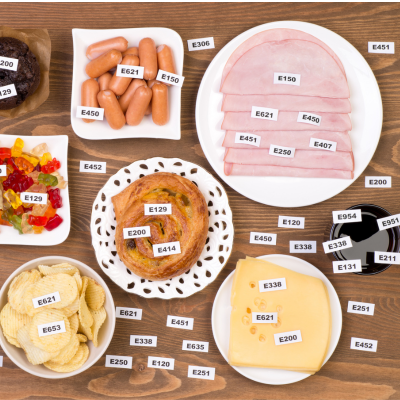
At Amerex we are committed to providing the best biotechnology solutions for the food industry. We are therefore pleased to announce that Amerex Research and Development has launched its innovative Biamex FP product, designed to improve food preservation and further enhance the range of natural preservatives in our Biamex range.
This new development is designed to extend the commercial shelf life of food that are close to their best before date, providing advanced protection against Listeria and preventing heterofermentation. In addition, at a higher dosage, Biamex FP is also effective against enterobacteria and yeasts, offering a global solution to many food safety challenges.
Biamex FP has undergone extensive testing in our pilot plant, as well as demanding challenge tests at customers where Listeria and Salmonella were inoculated, with excellent results in terms of effectiveness.
In addition, Amerex has introduced more than five new preservatives to the market this year. Our wide range of solutions is designed to meet the specific needs of each food producer. Our team of biotech consultants is available to evaluate our customers’ manufacturing processes and offer the best recommendation, whether it is Biamex FP or other products in our product portfolio, always looking for a customised solution.
For more information about our new references or how to improve production processes, we have an expert team available to advise you, do not hesitate to contact us!
Patricia Rodrigo is Head of Marketing & Product at Amerex. With a background in Biotechnology and a Master’s in Biotechnology Business Management, her work focuses on research and communication of natural alternatives to additives, conservation strategies, and pathogen control in various food groups for the industry.
https://amerexingredientes.com/wp-content/uploads/2024/10/Productos-4-scaled.jpg19272560Patricia Rodrigohttps://amerexingredientes.com/wp-content/uploads/2017/11/Logo-web-amerex-madrid-2.pngPatricia Rodrigo2024-10-08 08:40:372025-04-28 10:07:06Amerex launches BIAMEX FP and more than five new preservatives in 2024
The production of sausages requires specific processes to ensure the safety and quality of the final product. One of the most important stages is the treatment of the casings used for stuffing.
Traditionally, chemical additives such as sorbate have been used to protect these casings from microbiological issues, especially fungal growth. However, the food industry is increasingly seeking natural solutions.
At Amerex Ingredients, we offer Biamex YM, a natural alternative to sorbate for antifungal treatment in sausage casings. Below, we answer some of the most common questions about the use of casings and additives in this process.
What types of casings are used in sausage production?
In the sausage industry, two main types of casings are used:
Natural casings: These are obtained from the intestines of animals like pigs, sheep, or cattle. Natural casings have the advantage of allowing the sausage to breathe, which contributes to the development of traditional flavors and textures. Additionally, they are typically more elastic, making the stuffing process easier.
Artificial casings: These are made from materials such as collagen, cellulose, or plastics. They are mainly used in industrial sausage production due to their uniformity and ease of handling. They are a more economical option and are available in different thicknesses and lengths, adapting to various types of meat products.
What chemical additives are used for antifugal bath?
Casings, whether natural or artificial, require specific treatment (an antifugal bath) to prevent the proliferation of microorganisms that could affect the quality and safety of the sausage.
Traditionally the additives used for this purpose are:
Potassium sorbate (E-202): A preservative widely used in the food industry for its effectiveness in inhibiting the growth of mold and yeast. It is used in casing baths to prevent microbiological deterioration during storage and handling.
Sodium benzoate (E-211): Another preservative used to control the growth of bacteria and mold in food products. Its use in casings is common due to its antibacterial effect.
However, both sorbate and benzoate, are chemical additives with associated “E-numbers,” which may raise concerns among consumers seeking more natural and healthier products, as well as manufacturers striving for clean label production with minimal chemical additives.
Natural alternative to sorbate for antifungal baths of sausage casings
At Amerex Ingredients, we offer a natural alternative to sorbate specifically designed for the antifungal bath of sausage casings. Biamex YM is a natural preservative that offers the following benefits:
Antifungal efficacy: Biamex YM acts effectively against molds and yeasts that can affect the quality of both natural and artificial casings.
Food safety: Being a natural product, Biamex YM is safe for human consumption and complies with food safety regulations, making it an excellent choice for manufacturers looking to reduce the use of synthetic additives in their products.
Complete sorbate replacement: Biamex YM can effectively replace sorbate, eliminating the need to use this chemical preservative without compromising the quality or safety of the final product.
The use of natural alternatives to sorbate is increasingly sought after by manufacturers in the meat industry.
What are the advantages of using a natural antifugal like Biamex YM in sausage casings?
More and more consumers prefer natural, additive-free food products. Therefore, using Biamex YM in the treatment of sausage casings offers several advantages, as it meets the trend for “clean label” products. This trend is something today’s consumers are looking for, as they value products with cleaner labels and fewer artificial additives. Biamex YM allows sausage manufacturers to offer more natural products, which can be a key differentiator in a competitive market.
Furthermore, it reduces the risk of allergic reactions, as some consumers are sensitive to chemical preservatives like sorbate. By using a natural preservative, the risk of causing adverse reactions in susceptible individuals is reduced.
Finally, sustainability and environmental respect. As a natural product, Biamex YM is a more environmentally friendly option, helping manufacturers reduce their ecological footprint.
How is Biamex YM applied in sausage casing treatment?
Biamex YM is applied similarly to other preservatives used in casing treatment. It can be dissolved in the casing bath to ensure uniform distribution of the product and provide effective protection against fungal growth. This natural preservative is compatible with the treatment of both natural and artificial casings, ensuring the protection of the sausage from the initial production stage.
The sausage industry is evolving to meet the demands of consumers seeking healthier and more natural products. In this context, the sorbate alternative offered by Amerex Ingredients, Biamex YM, presents itself as an effective and safe solution for protecting sausage casings from fungi, without resorting to traditional chemical preservatives. This way, it is possible to guarantee the quality and safety of the final product while aligning with trends toward more natural and sustainable products.
Patricia Rodrigo is Head of Marketing & Product at Amerex. With a background in Biotechnology and a Master’s in Biotechnology Business Management, her work focuses on research and communication of natural alternatives to additives, conservation strategies, and pathogen control in various food groups for the industry.
https://amerexingredientes.com/wp-content/uploads/2024/09/Tripas-embutidos.png400400Patricia Rodrigohttps://amerexingredientes.com/wp-content/uploads/2017/11/Logo-web-amerex-madrid-2.pngPatricia Rodrigo2024-09-18 12:07:072025-04-28 10:07:06ANTIFUGAL FOR CASING BATH FOR CURED SAUSAGES
Lactic acid and lactates are used as preservatives, mainly against yeasts, molds, and other food-degrading bacteria, but natural alternatives exist to achieve clean label foods.
Below, we will detail the functionality of these chemical additives, which are also used to increase the stability of antioxidants and to prevent water loss in various products.
What is the function of Lactic Acid in food?
Lactic acid (E-270) is an organic compound that is naturally produced during the fermentation of carbohydrates by lactic acid bacteria. In the food industry, lactic acid is used as a preservative and acidulant.
It’s use is recognized and regulated by Regulation (EC) No 1331/2008 of the European Parliament and Council of December 16, 2008, establishing a common authorization procedure for food additives, enzymes, and flavorings, and is identified on food labels with the number E-270. Lactic acid can be obtained naturally or synthetically by fermenting various types of sugar with lactic acid bacteria. From lactic acid, other commonly used food preservatives in the industry, particularly in cooked meat products, can be derived.
These food preservatives are lactates and can be identified on food labels with the following numbers:
Sodium Lactate (E-325)
Potassium Lactate (E-326)
Calcium Lactate (E-327)
Ammonium Lactate (E-328)
Magnesium Lactate (E-329)
Ferrous Lactate (E-585)
Choline Lactate (E-1001vi)
Which food contain lactate?
Lactate is a salt derived from lactic acid that is present as a food additive in many foods. Some foods containing lactates include:
Cooked meat products, such as cooked ham and sausages.
Bakery and pastry products.
Fermented beverages, such as beer and wine.
Dairy products, such as cheeses and yogurts.
As mentioned earlier, there are different types of lactate salts, for example, calcium lactate used in packaged products like desserts and ice creams, bakery products, or sodium lactate widely used in cooked meat products.
By reading the label of any cooked ham, you can find the following ingredients and additives:
Cooked ham is an example of a food that consumers consider healthy yet has a fairly extensive list of chemical additives. At Amerex, for example, we work with natural preservatives to replace lactate in cooked products, as well as to replace the rest of the chemical additives.
What is the mechanism of action of sodium lactate?
The mechanism of action of sodium lactate is based on two principles:
pH Reduction: By reducing the product’s pH, it creates a hostile environment for the growth of pathogenic bacteria and undesirable microorganisms.
Osmotic Interference: Sodium lactate affects the osmotic pressure within bacterial cells, making their survival and multiplication difficult.
In summary, sodium lactate is a salt that acts as an undissociated acid that passes through the microbial membrane to acidify the cellular interior. As a result, intracellular pH acidifies, and cellular metabolism can rapidly decrease, leading to cell death.
What role does Lactate play in cooked meat like cooked ham?
In cooked meat products, such as cooked ham, lactate plays a crucial role. It is added to inhibit the growth of pathogenic bacteria and prolong the product’s shelf life by regulating acidity. Additionally, lactates help maintain the texture and juiciness of the meat, improving water retention and the firmness of the final product.
In the food industry, lactate is a widely used additive, especially in meat products that are susceptible to deterioration by lipid oxidation and the production of rancid off-flavors, particularly in sausages due to their high-fat content. Lactate helps delay this bacterial decomposition, increasing the shelf life and sensory quality of the food.
However, there are natural substitutes for lactate and lactic acid whose action is equivalent to these chemical additives and can sometimes even improve it. If you want to know what lactate substitutes for cooked products we have at Amerex, keep reading!
What natural substitutes for Lactates and Lactic Acid do Amerex offer?
At Amerex, we are a biotechnology company with over 40 years of experience in natural preservatives, and we are committed to offering healthy and safe solutions for food preservation. We aim to provide our customers with natural preservatives that not only ensure food safety and quality but also respond to consumer demands for healthier products with cleaner labels.
From the Biamex range of fermentates to the Safemix range of natural flavors, we have multiple products that can be used as substitutes for lactate or lactic acid, for example, or other chemical additives like nitrites.
If you want more information about our natural preservation solutions, don’t hesitate to contact us!
Patricia Rodrigo is Head of Marketing & Product at Amerex. With a background in Biotechnology and a Master’s in Biotechnology Business Management, her work focuses on research and communication of natural alternatives to additives, conservation strategies, and pathogen control in various food groups for the industry.
https://amerexingredientes.com/wp-content/uploads/2024/06/Diseno-sin-titulo.png400400Patricia Rodrigohttps://amerexingredientes.com/wp-content/uploads/2017/11/Logo-web-amerex-madrid-2.pngPatricia Rodrigo2024-06-14 09:17:292025-04-28 10:11:21LACTIC ACID (E-270) AND LACTATES SUBSTITUTE IN COOKED MEAT
In food industry, Listeria is a worldwide known bacterium. In this blog we will talk about the risk of contamination in a sector as attractive as the bakery industry due to the risk of contamination of pastry cream and sour cream .
In the world of confectionery there is a great variety of cakes, pies and other sweets, being a sector that always seeks excellence in taste and quality. However, food safety is a constant concern, especially when it comes to perishable products such as creams and cream. One of the main microbiological risks faced by confectionery is contamination by the well known Listeria monocytogenes a bacterium that can cause serious health problems.
Which pathogenic microorganism is Listeria monocytogenes?
Listeria monocytogenes is a gram-positive pathogenic bacterium that can be found in a wide variety of foods. Its presence is well known in the meat sector, with very well known cases at national level, but it can also be present in dairy products such as different cheeses, milk or also in cream and creams used in pastry fillings.
This bacterium is especially dangerous because it is very resistant to unfavorable environments. It can survive and multiply in conditions of acidity, salinity (up to 10%), oxygen scarcity (even under vacuum) and refrigeration temperatures (as low as 2º-4º C), which means that even foods stored in cold conditions are not completely safe. Other factors such as pH (between 4.4-9.4) and water activity (>0.92) also play a role.
Why is Listeria dangerous?
Listeria infection, known as listeriosis, can cause severe symptoms such as fever, muscle aches and gastrointestinal problems. In people with weakened immune systems, pregnant women, newborns and the elderly, listeriosis can be fatal.
In addition, as discussed above, the ability of Listeria to grow in cold environments makes it a challenge to keep it under control in refrigerated dairy products, such as any type of cake, pie, or pastry food with a cream or custard filling. In addition, although it does not continue to proliferate during freezing, its presence is maintained, so there is still a risk of contamination in frozen cakes, especially when they begin to thaw and the bacteria, if present, continue to multiply.
What factors favor contamination in sour cream and pastry cream in bakery?
As mentioned above, creams and cream, which are dairy-based products, are especially vulnerable to microbiological contamination due to several factors:
Water and Nutrient Content: These products are rich in water and nutrients, making them an ideal medium for the growth of bacteria and in particular listeria.
Handling and Processing: Handling during processing and storage can facilitate the introduction of contaminants.
Storage Temperature: Although stored refrigerated, Listeria can survive and multiply at low temperatures.
Pastry preservatives against listeria in cream in bakery
Currently, there are several preservatives against Listeria and other microorganisms. At Amerex we specialize in natural preservatives based on biotechnology that offer an innovative, safe and clean label solution.
Our preservatives can be used in different food matrices, such as sour cream and pastry cream in bakery, but also in other products susceptible to listeria contamination such as meat matrices, fresh pizza doughs, in fish such as salmon, etc.
Thus, our preservatives offer the following advantages:
Safety: They are safe for consumption and do not present risks associated with synthetic chemicals.
Efficacy: They are effective against a wide range of microorganisms, including Listeria due to their use of protective fermentation.
Sustainability: They are environmentally sustainable and are aligned with trends towards more natural and less processed products.
Shelf Life Extension: Extends the shelf life of products without the addition of unwanted chemical additives.
Maintain Quality: They do not negatively affect the organoleptic properties of the product: taste, texture or appearance.
Safety in bakery as in other food sectors is essential and combating microbiological contaminations in products such as sour and pastry creams are a challenge that cannot be ignored.
Our company is dedicated to providing natural and effective solutions to protect your products and ensure that they reach consumers in the best possible condition. At Amerex we have different specialized preservatives with very good results against listeria in frozen and refrigerated cream and custard cakes.
If you would like more information about our products, please do not hesitate to contact us!
Patricia Rodrigo is Head of Marketing & Product at Amerex. With a background in Biotechnology and a Master’s in Biotechnology Business Management, her work focuses on research and communication of natural alternatives to additives, conservation strategies, and pathogen control in various food groups for the industry.
https://amerexingredientes.com/wp-content/uploads/2024/05/Miniatura-listeria-en-reposteria.png400400Patricia Rodrigohttps://amerexingredientes.com/wp-content/uploads/2017/11/Logo-web-amerex-madrid-2.pngPatricia Rodrigo2024-05-21 09:01:262025-04-28 10:11:21MICROBIOLOGICAL PROBLEMS IN BAKERY: LISTERIA IN SOUR AND PASTRY CREAM
The search for natural alternatives to chemical additives is one of the main objectives of the food industry. In today’s age, where health and wellbeing are a priority, the food industry is undergoing a revolution in terms of the ingredients and processes they use in food. More and more consumers are demanding less processed and more natural foods, free of artificial additives.
Ultra-processed foods are known for the large number of chemical additives on their labels. These additives are used to improve organoleptic or safety aspects of the food, but are there natural options to replace them? In today’s blog we bring you a guide to the best natural alternatives to additives in your ultra-processed foods, so you can offer a healthier and microbiologically safer food!
What chemical additives are used in ultra-processed foods and why do consumers want to avoid them?
Chemical additives are substances added to foodstuffs for the purpose of improving their taste, texture, colour or durability. They are regulated by Regulation (EC) No 1333/2008 of the European Parliament and of the Council of 16 December 2008, which lists, under the associated E number, all additives permitted in the European Union and their restrictions on use.
The current concern about these additives is due to studies that have suggested that excessive consumption of additives in ultra-processed foods (such as sausages, ready meals, pastries, etc.) could be linked to various health risks: such as allergies, metabolic disorders and adverse effects on gastrointestinal health.
The lack of transparency in product labelling often also makes it difficult for consumers to make informed food choices. This is why consumers are increasingly looking for natural alternatives that are free of artificial additives.
What natural alternatives to chemical additives are there on the market?
There is a wide variety of natural alternatives to chemical additives in the ingredients market. Ultra-processed foods often need additives to help maintain colour, give a specific flavour or preserve the food for more days than a fresh product, however, natural ingredients can be used to provide the same benefits as artificial additives.
The best known additive substitutes are herbal and spice extracts, fruit or vegetable juices, and other natural extracts that can act as preservatives, colourings and flavour enhancers in a safe and healthy way. They are a good natural and environmentally friendly option. However, there are also other natural ingredients that are more effective as preservatives, such as ferments or lactic acid bacteria.
What are starters as an alternative to chemical additives?
It is traditionally known that the way in which starters perform this preservative function is through the maturation of the product. This usually includes an organoleptic change in the food due to acidification, which lowers the pH and modifies the organoleptic characteristics of the matrix. They not only improve the preservation of the food, but also enhance its taste and nutritional value. Traditionally, these starters have been used in the maturation of sausages and cheeses and are well known to manufacturers.
Amerex stands out in this case as a supplier of natural preservatives based on ferments, offering innovative and healthy solutions for the food industry as an alternative to chemical additives.
What are the benefits of opting for natural alternatives to ultra-processed foods?
By choosing foods that are free of artificial additives and rich in natural ingredients, you gain a multitude of benefits. Firstly, you are promoting a healthier and more nutritious diet, and by avoiding synthetic additives, you reduce exposure to harmful chemicals and promote a more natural and sustainable lifestyle.
On the other hand, the use of these natural alternatives in ultra-processed foods, such as ferments, allows for the reduction of food processing resulting in a more “homemade” product. Together with the elimination of chemical additives, the consumer will get a more positive image of that food.
Where to find a supplier of Natural Alternatives to additives in ultra-processed foods?
As a supplier of natural alternatives to food additives, Amerex has more than 40 years’ experience in providing innovative and sustainable solutions for the food industry.
Our natural ferment-based preservatives are an excellent alternative to artificial additives, guaranteeing the quality and safety of your food products without compromising taste or freshness. We have different product ranges, such as the Biamex range of ferments or Safemix natural flavourings, which include preservatives for specific problems, such as protection against Listeria or Salmonella, or for the removal of additives such as nitrite or sorbate.
In short, by choosing natural alternatives free of artificial additives, you are taking a step towards a healthier and more conscious diet. With options such as fermented foods as an alternative to additives and the commitment of companies like Amerex, it is easier than ever to enjoy delicious and nutritious food by offering the best choice to the consumer.
If you would like to know more about these natural options, please contact us for more information:
Patricia Rodrigo is Head of Marketing & Product at Amerex. With a background in Biotechnology and a Master’s in Biotechnology Business Management, her work focuses on research and communication of natural alternatives to additives, conservation strategies, and pathogen control in various food groups for the industry.
https://amerexingredientes.com/wp-content/uploads/2024/03/Miniatura-Alternativa-Aditivos.png400400Patricia Rodrigohttps://amerexingredientes.com/wp-content/uploads/2017/11/Logo-web-amerex-madrid-2.pngPatricia Rodrigo2024-03-21 11:27:302025-04-28 10:11:22DISCOVER THE BEST NATURAL ALTERNATIVES TO CHEMICAL ADDITIVES IN ULTRA-PROCESSED FOODS
Refrigerated sauces are used in a wide variety of dishes, from salads to fast foods and snacks. These foods offer great convenience and taste, but also challenges in terms of shelf life and food safety due to the pathogenic microorganisms that thrive in them. That is why potassium sorbate is commonly used in in this type of sauces.
In this blog, we will explore the types of refrigerated sauces along with the microbiological problems they face and the most common pathogenic microorganisms, potassium sorbate as a food preservative (it is one of the most commonly used chemical food preservatives) and finally, a clean label alternative to this chemical preservative currently on the market.
What types of refrigerated sauces are in market?
There are many types of refrigerated sauces that can be found in a wide variety of flavours and textures. Some common examples include mayonnaise sauce, mustard sauce, guacamole and many others. These sauces are popular because of their freshness and taste, but that same freshness also makes them susceptible to the growth of microorganisms.
We could classify the types of sauces according to the processes they have undergone:
Fresh
HPP
Pasteurised
Each of them suffers from a specific shelf-life problem, the freshest sauces spoil in a short time and are more vulnerable to pathogenic microorganisms, while the most treated products (HPP or pasteurised) lose their organoleptic freshness over time, which is why different food preservatives are used.
What are the typical microbiological problems with refrigerated sauces?
Refrigerated sauces, which include classics such as mayonnaise and guacamole sauce, face similar microbiological problems. These sauces often contain fresh ingredients such as avocado, tomato or onion that may be contaminated with pathogenic microorganisms such as Salmonella or E. coli. Cross-contamination is a real risk during the handling and preparation of these ingredients, increasing the risk of foodborne illness. In addition, the high moisture and water content in these sauces provides a favourable environment for the growth of moulds and yeasts.
This can lead to problems such as the proliferation of harmful microorganisms, affecting both food safety and product quality, necessitating the use of food preservatives such as potassium sorbate by manufacturers to ensure product safety.
What are the microbiological problems with guacamole sauce?
In particular, guacamole sauce presents a specific set of challenges.
– Discolouration and browning: Guacamole is prone to discolouration and browning due to oxidation of the avocado components. While this is not a microbiological problem in the food safety sense, it can negatively affect the quality and appearance of the product.
– Mould and bacterial growth: The high humidity and water content in guacamole sauce provides an environment conducive to bacterial and mould growth. Microorganisms such as Listeria, Salmonella and E. coli can proliferate if the sauce is not kept at the proper temperature and stored for long periods.
– Texture and Consistency: Unwanted microorganisms can affect the texture and consistency of guacamole sauce, causing it to become runny or take on an unpleasant texture. This can lead to consumer dissatisfaction.
What chemical preservatives are used in refrigerated sauces?
To combat these microbiological problems, the industry has traditionally relied on chemical food preservatives. These chemical preservatives can include potassium sorbate, sodium benzoate and other ingredients that extend the shelf life of refrigerated sauces. While these food preservatives have been effective, some consumers are concerned about their impact on health and prefer to avoid chemical additives.
These food preservatives can be identified on food labels by the following numbers:
E202 Potassium sorbate – is a derivative of sorbic acid (E200).
E211 Sodium benzoate – is obtained industrially by reaction of sodium hydroxide (E254) and benzoic acid (E210).
What Clean Label alternatives to potassium sorbate are available for refrigerated sauces?
There are clean label alternatives to potassium sorbate to combat these microbiological problems in sauces.
Amerex offers a natural alternative to potassium sorbate called Biamex YM or Biamex Aroma Global, a biotechnology-based natural preservative. This product is particularly effective in the fight against moulds and yeasts, two of the main microbiological challenges in refrigerated sauces and in guacamole sauce in particular. Biamex is not only a safe and effective option, but also meets the demands of consumers concerned about the absence of chemical preservatives in food. This makes it a truly clean label alternative also for manufacturers looking to remove E numbers such as potassium sorbate from their food labels, while maintaining food safety.
In summary, both refrigerated sauces and guacamole sauce are delicious and very common in gastronomy, but their microbiological problems can affect both food safety and quality. Instead of resorting to chemical food preservatives, Amerex’s alternative to potassium sorbate, Biamex YM or Biamex Aroma Global, offers a natural and effective clean label option to combat these problems, while ensuring the satisfaction of both consumers and food producers.
Patricia Rodrigo is Head of Marketing & Product at Amerex. With a background in Biotechnology and a Master’s in Biotechnology Business Management, her work focuses on research and communication of natural alternatives to additives, conservation strategies, and pathogen control in various food groups for the industry.
https://amerexingredientes.com/wp-content/uploads/2023/10/Miniatura-publicacion-salsas.png400400Patricia Rodrigohttps://amerexingredientes.com/wp-content/uploads/2017/11/Logo-web-amerex-madrid-2.pngPatricia Rodrigo2023-12-14 10:34:302025-04-28 10:11:23POTASSIUM SORBATE ALTERNATIVE AS A FOOD PRESERVATIVE IN SAUCES
From today, Tuesday 26th September, the Amerex sales team will be present with its own stand at the Alimentaria Foodtech trade fair which will take place in Barcelona until Friday 29th September.
Alimentaria Foodtech is a fair of ingredients, machinery and technology, which has participants from all over the world and where the most recent developments in the industry are presented. This space is a meeting point for the most relevant companies in the sector.
The fair will be held at Fira Barcelona, in Hall 2. Visiting hours for each day are:
Tuesday 26 to Thursday 28 September from 9.30am to 6.30pm
Friday 29 September from 9.30am to 4pm.
You can find us at stand A 264, where we will be presenting this year’s fresh updates, result of the research projects we are part of.
You will also be able to find one of our latest products in the Ingrenova space, where the most innovative Intermediate Food Products (IFP) will be presented.
Here are some photos of the stand so you can find us better!
If you need more information, please do not hesitate to contact us.
Patricia Rodrigo is Head of Marketing & Product at Amerex. With a background in Biotechnology and a Master’s in Biotechnology Business Management, her work focuses on research and communication of natural alternatives to additives, conservation strategies, and pathogen control in various food groups for the industry.
https://amerexingredientes.com/wp-content/uploads/2023/09/26-29-Sept-1.png400400Patricia Rodrigohttps://amerexingredientes.com/wp-content/uploads/2017/11/Logo-web-amerex-madrid-2.pngPatricia Rodrigo2023-10-03 10:12:392025-04-28 10:11:23Alimentaria Foodtech 2023 is officially underway! Don’t miss out on the recent developments in food safety
“This project has received funding from the Bio Based Industries Joint Undertaking (JU) under grant agreement No 888003. The JU receives support from the European Union’s Horizon 2020 research and innovation programme and the Bio Based Industries Consortium”
Hello everyone and welcome once again to our Blog. Today we are thrilled to announce our participation in a European project within the Horizon 2020 financing program! We would like to share the main highlights of this innovative, stimulating venture which is sure to give you inspiration and feasible ideas to apply in your own business…
Essentially, the European Up4Health project is based on the utilization of biomass generated in various processes in diverse industries such as wineries, oil mills and nut processing plants. The functional ingredients derived from these have multiple applications in various other industries like food, nutraceutical and cosmetics.
Within the scope of Up4health, besides making use of these residual, bioactive compound rich raw materials from the food sector, it also optimizes the value chain of productive industries by achieving the goal of ‘zero waste’-thus making the project highly sustainable, as well as innovative.
The aforementioned functional ingredients are the following: natural fruit water rich in polyphenols, dietary fiber rich in polyphenols, natural oily fruit extracts and prebiotic xylooligosaccharides. The applications in which these bioactive compounds can be used range from functional foods, such as meat products, healthy snack bars, soft foods for the elderly, drinkable solutions in the form of gel, olive oil, natural drinks, yogurt, to nutraceuticals supplements and even cosmetics.
Over the next 48 months, we will collaborate with nine organizations from five different countries to carry out this project successfully.
So, what specific role does Amerex play in Up4health? We will be conducting trials using certain polyphenols extracted from olive and grape fiber flour, with the aim of delaying the oxidative processes and thus increasing the shelf-life of the final products in food industry.
Ultimately, the main objectives are going to be: on one hand, maintaining the colour, avoiding oxidation and thus prolonging the shelf-life of the product. On the other hand, enhancing the food safety of the product which may be affected by the growth of spoilage microorganisms.
And how do we set about this task? In the initial phase, the necessary requirements for the functional ingredients such as sensory profile, microbiological safety and physical properties will be determined in order to fulfill the desired outcome, in line with the end consumer’s needs.
The role of Amerex alongside other partnering companies is to make sure that these requirements are well defined, as this will be the main determinant for the success of the project. We will execute this, headed by the UNIVERSITY OF VIGO, who will make certain that the appropriate biomass requirements and objectives are met owing to this collaboration.
We would like to greatly express our gratitude to ISANATUR SPAIN S.L. for trusting us with this amazing opportunity, and also to CONTACTICA S.L., for making this project possible.
We are eager to keep you updated in this matter, and hope it to be very soon. In the meantime…
Nuria Lázaro is the R&D and Quality Manager for Amerex’s technical team. She holds a degree in Biology and a master’s degree in Biotechnology. She brings her experience in food preservation and safety, specializing in legislation and the development of new preservatives and antioxidants.
https://amerexingredientes.com/wp-content/uploads/2020/09/Proyecto-Up4Health-innovacion.png16001600Nuria Lázarohttps://amerexingredientes.com/wp-content/uploads/2017/11/Logo-web-amerex-madrid-2.pngNuria Lázaro2020-09-18 07:28:242022-03-10 07:55:18R&D BOOST – AMEREX IN THE UP4HEALTH PROJECT
We have already entered February and it seems like a very busy month, on which we keep receiving many updates from the food industry. Some of them are very inspiring to begin a new season of our wonderful Blog. Let’s check it out!
Year 2020 welcomed us with a new law set up by the USA that forbids vegan and vegetarian companies to label ‘meat’, in the full sense of the word, to products that seem like it. This law, which is called The Real MEAT Act (The Real Marketing Edible Artificials Thruthfully Act of 2019), establishes the definitions for ‘beef’ and ‘beef product’ and require the imitation products to contain the word ‘imitation’ immediately before or after the name. These terms are found to ensure that there is no misunderstanding for the consumer, so they know that the food they eat does not contain meat at all.
The law defines with the term ‘imitation meat food product’ as any product manufactured to appear as a meat food product or any food product, which approximates the aesthetic qualities (primarily texture, flavour and appearance) and/or chemical characteristics, but does not contain any meat, meat food product, or meat by-product ingredients. In addition, it defines the terms ‘imitation meat food product’ and ‘imitation meat by-product’, so that it leaves no room for doubt for the vegetable product companies.
This law has been brought up as a result of the general discontent regarding this matter for a long time. Not only regarding meat products and its by-products, but also with the so-called vegetable ‘milk’.
According to the trends we have been exploring for the last several years for alternatives to the traditional products, vegetable beverages have increased and become highly important. From the beginning, the preferred term was vegetable ‘milks’: soya milk, almond milk, coconut milk…
This matter brought about a very interesting discussion as in the meat industry, that these beverages cannot nutritionally replace original cow’s milk, nor does their components or its nutritional content. Therefore, one cannot substitute the other under any circumstances.
What does the law state? According to the current legislation (Council Regulation (EC) nº 1234/2007), ‘The term ‘milk’ means exclusively the normal mammary secretion obtained from one or more milkings without either addition thereto or extraction therefrom’. However, this shall not apply ‘to the designation of products the exact nature of which is clear from traditional usage and/or when the designations are clearly used to describe a characteristic quality of the product’. The last statement refers to a list of products that appear in the Commission Decision of 20 December 2010, on which almond milk is found to be the only vegetable beverage that can be labelled under this term.
We have already explained the law statements according to the nomenclature of meat products. Nevertheless, what are the consequences of it? These products do not apply to the same food safety and labelling standards as beef. Even though they are named after it, it is true that the ingredient’s legislation is not under control and therefore any additive may be added in their formulations. In other words, companies take advantage of very good marketing, making it look like meat, and what’s more, rules for additives are completely different. Besides, it is important to mention the analytics and inspections carried out in the meat industry, for example with Listeria or other pathogenic microorganisms, which are very strict. These are not so well defined in this type of products.
Then, what should we do? For now, this is the situation and that means for many companies to search for solutions for enhancing shelf-life and safety, such as the ones we provide at Amerex. Our technology is based on microorganisms that fit any nomenclatures and legislations, for every final product. And why are we so certain? Because we know that manufacturers have healthy foods on the market with consumer-oriented labels and Amerex as their provider of natural safety solutions.
Would you like to know more? Contact us and we will help you with everything you need.
Nuria Lázaro is the R&D and Quality Manager for Amerex’s technical team. She holds a degree in Biology and a master’s degree in Biotechnology. She brings her experience in food preservation and safety, specializing in legislation and the development of new preservatives and antioxidants.
https://amerexingredientes.com/wp-content/uploads/2017/11/Protectores1.jpg6661000Nuria Lázarohttps://amerexingredientes.com/wp-content/uploads/2017/11/Logo-web-amerex-madrid-2.pngNuria Lázaro2020-02-10 11:14:002022-09-27 10:40:49THE IMPORTANCE OF LABELLING THINGS AS THEY ARE
Hello everyone and welcome again to our Amerex Blog!
As we have mentioned in our previous Blog posts, Listeria monocytogenes, a common bacteria found in the food industry as well as the disease it causes -listeriosis-, are back in the spotlight. As per the information gathered in the last few months, even though it is related to the meat industry, it poses a threat to many other sectors as well.
Therefore, the objective of this Blog post is to ensure that everyone is conscious of another battlefield when it comes to Listeria: dairy industry. Specifically, and as a case study, we would like to explain a very interesting situation that happened at Amerex. Let’s have a look!
Feta cheese is a Greek origin cheese made mainly from goat milk. It is considered a “ready-to-eat meal” by the AESAN as it doesn’t require any cooking or processing to reduce or eliminate the presence of Listeria monocytogenes to bring it within the acceptable range. This is the main reason behind the prevalence of this type of bacteria in this cheese. Furthermore, according to integrated mathematical models in ComBase, an online tool created by a collaboration between Tasmania University and the USDA-ARS for quantitative food microbiology, feta cheese is classified as a food where the growth of Listeria monocytogenes is possible due to its pH, aW and lactic-acid concentration.
Nevertheless, numerous research papers published in major scientific journals proved that feta cheese, in particular, prevents the development of this family of bacteria and, in addition, leads to a progressive inactivation of microorganisms. These researches fool the industry into believing that feta cheese meets the necessary food safety requirements of food safety for Listeria monocytogenes for its entire shelf-life, however, it is important to bear in mind the significance of the Hazard Analysis Critical Control Points (HACCP), such as: contamination level of raw materials, specific processing conditions, etc… All of these are included in the barriers we discussed in the previous post from our Blog.
In fact, these HACCP guidelines contradict the information in the aforementioned scientific journals. The moment any raw material, mainly pasteurized milk, is contaminated during fermentation, it provides ideal conditions for the proliferation of the infectious agent within the first two days. Considering this growth, under certain circumstances, some strains of Listeria monocytogenes can survive a standard pasteurization process; this could be a cause of alarm for human health safety.
It should be noted that the low temperature and low pH conditions during storage provide an ideal environment for the stabilization of the bacteria in high concentrations. In addition, even in temperatures starting 1.7 ºC and above, it cannot be guaranteed that the cheese is free of pathogens. In addition, the regulation parameters specify that, in order to prove that Listeria monocytogenes does not grow in a product, it would have to meet one of the following requirements: pH≤4.4, or aW≤0.92, or a combination of both parameters: pH≤5.0 and aW≤0.94.
Since feta cheese has a pH of 4.4-4.6 and aW of 0.94-0.95, it barely fits within these parameters and it is likely to exceed in some batches. Therefore, taking into account the temperature mentioned above, we could be facing potential threats.
Following this explanation and the previous post from our blog, it is key to try to manufacture a 100% safe food item. It is clear that there is no single formula for achieving this level of absolute safety. However, the more barriers between the pathogen and our product, the better.
This is a problem that affects not only meat and dairy industry, but also other sectors of the food industry that are normally considered exempt for this threat.
There is always something to be done for improving safety. We invite you to share your own concerns, whatever industry you belong to, and we will provide personalized assistance to boost your confidence regarding the launch of products.
Here at Amerex we design our preservatives with specialized technology and are constantly developing our know-how, to achieve one of our main objectives: building a set of barriers that are unbreakable for any harmful microorganism.
Nuria Lázaro is the R&D and Quality Manager for Amerex’s technical team. She holds a degree in Biology and a master’s degree in Biotechnology. She brings her experience in food preservation and safety, specializing in legislation and the development of new preservatives and antioxidants.
https://amerexingredientes.com/wp-content/uploads/2019/11/Amerex-Cabecero-lácteos.jpg495880Nuria Lázarohttps://amerexingredientes.com/wp-content/uploads/2017/11/Logo-web-amerex-madrid-2.pngNuria Lázaro2019-11-20 12:15:442022-09-27 10:41:15LISTERIA: A NEW CASE STUDY, IN A DIFFERENT BATTLEFIELD
To offer the best experiences, we use technologies such as cookies to store and/or access device information. Consent to these technologies will allow us to process data such as browsing behavior or unique IDs on this site. Failure to consent, or withdrawal of consent, may adversely affect certain features and functions.
Funcional
Always active
El almacenamiento o acceso técnico es estrictamente necesario para el propósito legítimo de permitir el uso de un servicio específico explícitamente solicitado por el abonado o usuario, o con el único propósito de llevar a cabo la transmisión de una comunicación a través de una red de comunicaciones electrónicas.
Preferences
El almacenamiento o acceso técnico es necesario para la finalidad legítima de almacenar preferencias no solicitadas por el abonado o usuario.
Statistics
El almacenamiento o acceso técnico que es utilizado exclusivamente con fines estadísticos.El almacenamiento o acceso técnico que se utiliza exclusivamente con fines estadísticos anónimos. Sin un requerimiento, el cumplimiento voluntario por parte de tu proveedor de servicios de Internet, o los registros adicionales de un tercero, la información almacenada o recuperada sólo para este propósito no se puede utilizar para identificarte.
Marketing
El almacenamiento o acceso técnico es necesario para crear perfiles de usuario para enviar publicidad, o para rastrear al usuario en una web o en varias web con fines de marketing similares.