Posts

RESISTENCIA DE LISTERIA EN LA INDUSTRIA ALIMENTARIA

La presencia de Listeria en la industria alimentaria no es un problema nuevo, pero sí cada vez más exigente desde el punto de vista técnico, regulatorio y reputacional. A pesar de los sistemas APPCC consolidados y de los protocolos de higiene cada vez más sofisticados, este patógeno mantiene una capacidad diferencial para sobrevivir en planta y generar alertas alimentarias con un impacto desproporcionado respecto a su prevalencia.

Los datos oficiales lo confirman. El último informe anual del Plan Nacional de Control Oficial de la Cadena Alimentaria, publicado por la AESAN, recoge que en 2024 se realizaron más de 510.000 controles en establecimientos alimentarios y se analizaron 64.742 muestras, con un 95,59 % de conformidad. Sin embargo, se gestionaron 856 expedientes de alerta alimentaria y se adoptaron más de 91.000 medidas administrativas por incumplimientos. En este contexto de alta vigilancia, la presencia de Listeria en la industria sigue siendo uno de los puntos críticos más sensibles.

¿Por qué Listeria sobrevive tan bien en la industria alimentaria?

Una de las características que hacen especialmente compleja la eliminación de Listeria en la industria alimentaria es su capacidad para sobrevivir debido a su adaptación al entorno de producción. Listeria monocytogenes puede adherirse con facilidad a superficies habituales en planta, especialmente al acero inoxidable, material predominante en equipos, cortadoras, cintas transportadoras y sistemas de envasado.

Además, a diferencia de otros patógenos más frágiles, Listeria es capaz de formar biofilms. Estas estructuras microbianas le permiten fijarse a la superficie y generar una matriz protectora que dificulta la acción de los desinfectantes. Cuando un biofilm se establece en zonas de difícil acceso como uniones, drenajes, partes desmontables o juntas, la bacteria puede permanecer durante largos periodos de tiempo y recontaminar el entorno de forma intermitente.

Por eso, en muchos casos, la presencia de Listeria en una fabrica no aparece como una contaminación puntual, sino como una presencia recurrente asociada a una misma cepa que persiste en la instalación.

¿Cómo se produce la resistencia de Listeria en entornos industriales?

La resistencia de Listeria en la entornos industriales no se limita a su adhesión a superficies. Se trata de un microorganismo capaz de sobrevivir en refrigeración, en ambientes húmedos y con concentraciones moderadas de sal. Esta capacidad de adaptación le permite mantenerse viable en condiciones que para otras bacterias resultarían limitantes.

En cuanto a desinfección, se ha observado que puede mostrar tolerancia frente a desinfectantes habituales como el hipoclorito cuando se encuentra protegida dentro de biofilms o en presencia de materia orgánica. No se trata de una resistencia absoluta, sino de una combinación de protección estructural y adaptación ambiental que reduce la eficacia real del tratamiento si no se aplican correctamente los protocolos.

Por este motivo, el control de Listeria en la industria requiere algo más que limpieza. Exige diseño higiénico, verificación microbiológica constante, análisis de tendencias y, cada vez más, monitorización genética de cepas resistentes.

¿Cuál es la dimensión sanitaria del problema de Listeria en la industria alimentaria?

Aunque la prevalencia de Listeria en las industria alimentaria pueda parecer menor en comparación con otros patógenos alimentarios, su impacto sanitario es especialmente relevante. Según datos de la EFSA, la listeriosis presenta una tasa de mortalidad cercana al 19,7 %, lo que la convierte en la infección alimentaria con mayor letalidad en Europa.

En cuanto a prevalencia, distintos estudios indican que Listeria puede encontrarse en el aparato digestivo de aproximadamente un 10 % de adultos sanos y en porcentajes superiores en personas con sintomatología gastrointestinal. En explotaciones ganaderas, la presencia puede alcanzar cifras superiores al 20 % en determinados contextos. Esto significa que Listeria está presente a lo largo de toda la cadena y que la industria trabaja bajo una presión microbiológica constante.

Tenemos ejemplos tanto en Europa, como en el resto del mundo de brotes de listeria que han provocado un gran problema sanitario, comercial y reputacional para la empresa que lo sufre. Un ejemplo muy conocido es el brote registrado en Sudáfrica entre 2017 y 2018 y un claro ejemplo de la magnitud que puede alcanzar. Más de 1.000 personas resultaron afectadas, se registraron alrededor de 216 fallecimientos y se retiraron 12.000 toneladas de producto del mercado. La investigación requirió el uso de secuenciación genética durante un año completo para identificar el origen del brote, y los procesos judiciales asociados se prolongaron durante años.

¿Qué clones de Listeria son preocupantes en la industria alimentaria?

La investigación microbiológica ha permitido identificar distintos linajes de Listeria monocytogenes, en el ámbito industrial destacan los llamados clones hipovirulentos. Estas cepas presentan menor capacidad para causar enfermedad grave, pero muestran una adaptación notable al entorno de fábrica.

Son precisamente estos clones los que con mayor frecuencia se detectan en muestreos ambientales en plantas de procesado. Su capacidad para crecer en acero inoxidable y resistir mejor determinados procesos de limpieza les permite persistir durante largos periodos. En cambio, los clones hipervirulentos suelen asociarse más directamente al origen animal y no siempre presentan la misma capacidad de adaptación industrial.

El verdadero riesgo aparece cuando se analiza la evolución genética. La posible transferencia horizontal de genes entre cepas y la combinación de resistencia ambiental con mayor virulencia es un escenario que obliga a extremar la vigilancia. Por ello, Listeria en la industria alimentaria puede considerarse no solo un problema inmediato de seguridad alimentaria, sino también un riesgo microbiológico emergente.

¿Está en auge el problema de listeria en la industria alimentaria?

Parece que últimamente se escuchan mayores alertas por listeria y con frecuencia se argumenta que este aumento de casos detectados debe simplemente a una mayor intensidad de los controles. Sin embargo, la combinación de datos de prevalencia, estudios de virulencia y la identificación de clones adaptados a entornos industriales sugieren que el fenómeno es más complejo.

El hecho de que existan cepas especializadas en sobrevivir en planta, junto con una presión regulatoria creciente y consumidores con hábitos variables, como el consumo de productos poco cocinados, refuerza la necesidad de estrategias preventivas más sólidas.

La tendencia legislativa apunta además a una mayor exigencia en algunos productos como los alimentos listos para el consumo. La nueva regulación es un claro ejemplo, esta obliga a los fabricantes a demostrar científicamente la estabilidad microbiológica del producto, más allá de un simple análisis puntual.

¿Qué barreras ofrece Amerex para hacer frente a Listeria monocytogenes?

Ante este escenario, el control de Listeria en la industria alimentaria se apoya cada vez más en el concepto de barreras múltiples para los que Amerex cuente con soluciones específicas

La limpieza y la desinfección siguen siendo fundamentales, pero ya no son suficientes por sí solas. Parámetros como pH, actividad de agua, contenido en sal y condiciones de almacenamiento forman parte del sistema de control. A ello se suma la reformulación estratégica del producto para dificultar el crecimiento del patógeno durante su vida útil.

En este contexto, los fermentos protectores se han consolidado como una herramienta tecnológica eficaz. Actúan generando un entorno microbiológico competitivo que reduce el potencial de crecimiento de Listeria monocytogenes en el alimento. No sustituyen a la higiene industrial, pero aportan una barrera adicional que refuerza la seguridad global.

Soluciones como Fermitrat Export, permiten integrar esta estrategia dentro de la formulación, especialmente en productos listos para consumo, pero también en otro tipo de alimentos. Su uso facilita la validación de vida útil, ayuda a mantener los recuentos por debajo de los límites regulatorios y aporta robustez frente a auditorías y controles oficiales.

Contáctanos y descubre cómo nuestras soluciones clean label pueden mejorar la vida útil y seguridad de tus alimentos:

Hasta la próxima


Contáctanos

4 + 2 = ?

Amerex launches BIAMEX FP and more than five new preservatives in 2024

At Amerex we are committed to providing the best biotechnology solutions for the food industry. We are therefore pleased to announce that Amerex Research and Development has launched its innovative Biamex FP product, designed to improve food preservation and further enhance the range of natural preservatives in our Biamex range.

This new development is designed to extend the commercial shelf life of food that are close to their best before date, providing advanced protection against Listeria and preventing heterofermentation. In addition, at a higher dosage, Biamex FP is also effective against enterobacteria and yeasts, offering a global solution to many food safety challenges.

Biamex FP has undergone extensive testing in our pilot plant, as well as demanding challenge tests at customers where Listeria and Salmonella were inoculated, with excellent results in terms of effectiveness.

In addition, Amerex has introduced more than five new preservatives to the market this year. Our wide range of solutions is designed to meet the specific needs of each food producer. Our team of biotech consultants is available to evaluate our customers’ manufacturing processes and offer the best recommendation, whether it is Biamex FP or other products in our product portfolio, always looking for a customised solution.

For more information about our new references or how to improve production processes, we have an expert team available to advise you, do not hesitate to contact us!

Get to know our products

Contact us at

5 + 3 = ?

ANTIFUGAL FOR CASING BATH FOR CURED SAUSAGES

The production of sausages requires specific processes to ensure the safety and quality of the final product. One of the most important stages is the treatment of the casings used for stuffing.

Traditionally, chemical additives such as sorbate have been used to protect these casings from microbiological issues, especially fungal growth. However, the food industry is increasingly seeking natural solutions.

At Amerex Ingredients, we offer Biamex YM, a natural alternative to sorbate for antifungal treatment in sausage casings. Below, we answer some of the most common questions about the use of casings and additives in this process.

In the sausage industry, two main types of casings are used:

  1. Natural casings: These are obtained from the intestines of animals like pigs, sheep, or cattle. Natural casings have the advantage of allowing the sausage to breathe, which contributes to the development of traditional flavors and textures. Additionally, they are typically more elastic, making the stuffing process easier.
  2. Artificial casings: These are made from materials such as collagen, cellulose, or plastics. They are mainly used in industrial sausage production due to their uniformity and ease of handling. They are a more economical option and are available in different thicknesses and lengths, adapting to various types of meat products.

Casings, whether natural or artificial, require specific treatment (an antifugal bath) to prevent the proliferation of microorganisms that could affect the quality and safety of the sausage.

Traditionally the additives used for this purpose are:

  • Potassium sorbate (E-202): A preservative widely used in the food industry for its effectiveness in inhibiting the growth of mold and yeast. It is used in casing baths to prevent microbiological deterioration during storage and handling.
  • Sodium benzoate (E-211): Another preservative used to control the growth of bacteria and mold in food products. Its use in casings is common due to its antibacterial effect.

However, both sorbate and benzoate, are chemical additives with associated “E-numbers,” which may raise concerns among consumers seeking more natural and healthier products, as well as manufacturers striving for clean label production with minimal chemical additives.

At Amerex Ingredients, we offer a natural alternative to sorbate specifically designed for the antifungal bath of sausage casings. Biamex YM is a natural preservative that offers the following benefits:

  • Antifungal efficacy: Biamex YM acts effectively against molds and yeasts that can affect the quality of both natural and artificial casings.
  • Food safety: Being a natural product, Biamex YM is safe for human consumption and complies with food safety regulations, making it an excellent choice for manufacturers looking to reduce the use of synthetic additives in their products.
  • Complete sorbate replacement: Biamex YM can effectively replace sorbate, eliminating the need to use this chemical preservative without compromising the quality or safety of the final product.

The use of natural alternatives to sorbate is increasingly sought after by manufacturers in the meat industry.

More and more consumers prefer natural, additive-free food products. Therefore, using Biamex YM in the treatment of sausage casings offers several advantages, as it meets the trend for “clean label” products. This trend is something today’s consumers are looking for, as they value products with cleaner labels and fewer artificial additives. Biamex YM allows sausage manufacturers to offer more natural products, which can be a key differentiator in a competitive market.

Furthermore, it reduces the risk of allergic reactions, as some consumers are sensitive to chemical preservatives like sorbate. By using a natural preservative, the risk of causing adverse reactions in susceptible individuals is reduced.

Finally, sustainability and environmental respect. As a natural product, Biamex YM is a more environmentally friendly option, helping manufacturers reduce their ecological footprint.

Biamex YM is applied similarly to other preservatives used in casing treatment. It can be dissolved in the casing bath to ensure uniform distribution of the product and provide effective protection against fungal growth. This natural preservative is compatible with the treatment of both natural and artificial casings, ensuring the protection of the sausage from the initial production stage.

The sausage industry is evolving to meet the demands of consumers seeking healthier and more natural products. In this context, the sorbate alternative offered by Amerex Ingredients, Biamex YM, presents itself as an effective and safe solution for protecting sausage casings from fungi, without resorting to traditional chemical preservatives. This way, it is possible to guarantee the quality and safety of the final product while aligning with trends toward more natural and sustainable products.

If you would like to know more, do not hesitate to contact us!

Amerex see you neXt time

Get to know our products

Contact us at

8 + 0 = ?


Amerex reinforces its commitment to sustainability through the acquisition of solar panels and a 100% electric car

At Amerex, we are committed to sustainability and environmental protection. In line with this commitment, solar panels were acquired in 2022 to supply electricity to our facilities, as well as the incorporation of a 100% electric car into our vehicle fleet.

The installed solar panels have allowed our offices, pilot plant, and manufacturing plant to operate with clean and renewable energy, with 90% of Amerex’s electricity expenditure being generated by these panels (according to statistics from the last two years of use). This has significantly reduced our carbon footprint, promoting responsible use of natural resources. This investment not only underscores our commitment to sustainability but also contributes to energy efficiency and long-term cost reduction.

Additionally, the acquisition of an electric car strengthens our commitment to sustainable mobility. Amerex currently has a fleet of hybrid vehicles, and with the acquisition of this 100% electric vehicle, we can make more ecological trips, reducing CO2 emissions and promoting a healthier environment for everyone. This car is used by some employees for their daily commute to the office, reducing the use of personal gasoline or diesel vehicles, as well as for other necessary trips during the workday.

At Amerex, we understand that sustainability is not just a trend but a responsibility that we must assume to protect our planet. These actions are part of a broader strategy that includes the implementation of sustainable practices in all aspects of our activity.

We will continue to work to integrate sustainable solutions into our daily operations, demonstrating that it is possible to grow responsibly and in harmony with the environment.

Get to know our products

Contact us at

0 + 1 = ?

NATURAL PRESERVATIVES AGAINST RESISTANT BACTERIA IN MEAT

The increasing antibiotic resistance of bacteria is a growing concern worldwide both for health and food consumers, as these bacteria can be found in commonly consumed meat products.

We know that bacteria are part of our daily lives and are present in everything around us. Focusing on the sector that concerns us, the food industry, we would like to highlight a recent study by the University of Santiago de Compostela which has revealed that almost half of the meat samples in Spanish supermarkets are contaminated with ‘superbacteria’, capable of generating serious infections.

There is currently a serious problem with the contamination of resistant bacteria in the food we eat, such as meat products.

Referring to the above-mentioned study, the study presented at the European Congress of Clinical Microbiology and Infectious Diseases, evaluated 100 randomly selected meat products in Spanish supermarkets. The results showed the presence of Escherichia coli (E. coli) and Klebsiella pneumoniae strains in 40% of the chicken, turkey, beef and pork meats tested. These bacteria are known to cause serious infections, such as sepsis and urinary tract infections, and have developed resistance to multiple antibiotics, including some last-resort antibiotics such as colistin.

The current problem of bacteria contaminating the meat we eat is antibiotic resistance, not the meat itself. Although most products had levels of E. coli within safe limits, 5% exceeded the recommended levels, raising concerns about the existence of these superbugs.

The study particularly highlights contamination in turkey and chicken products, due to differences in poultry production and slaughter.

Faced with this alarming reality, there is a need to implement effective measures to ensure food safety. This is where Amerex stands out with its innovative line of natural preservatives, which offer an effective and safe solution against these resistant pathogens.

At Amerex, we are experts in improving food safety against pathogenic bacteria such as E. coli and Klebsiella pneumoniae. Our expertise is based on the development of natural preservatives that not only inhibit the growth of these bacteria, but also meet the ‘clean label’ standards demanded by consumers today.

Our products are natural, safe and highly effective, providing an additional barrier to consumer safety.

Amerex natural preservatives are formulated to prevent the growth of multi-resistant bacteria in food, ensuring food safety and freshness. These preservatives work effectively against resistant pathogens such as E.coli or globally known pathogens such as Salmonella or Listeria, offering a sustainable and reliable solution for the food industry.

By opting for our products, you not only protect the health of consumers, but also promote cleaner and more transparent food production.

If you would like more information about our products, please do not hesitate to write to us!

Amerex see you neXt time

Get to know our products

Contact us at

0 + 8 = ?

MICROBIOLOGICAL PROBLEMS IN BAKERY: LISTERIA IN SOUR AND PASTRY CREAM

In food industry, Listeria is a worldwide known bacterium. In this blog we will talk about the risk of contamination in a sector as attractive as the bakery industry due to the risk of contamination of pastry cream and sour cream .

In the world of confectionery there is a great variety of cakes, pies and other sweets, being a sector that always seeks excellence in taste and quality. However, food safety is a constant concern, especially when it comes to perishable products such as creams and cream. One of the main microbiological risks faced by confectionery is contamination by the well known Listeria monocytogenes a bacterium that can cause serious health problems.

Listeria monocytogenes is a gram-positive pathogenic bacterium that can be found in a wide variety of foods. Its presence is well known in the meat sector, with very well known cases at national level, but it can also be present in dairy products such as different cheeses, milk or also in cream and creams used in pastry fillings.

This bacterium is especially dangerous because it is very resistant to unfavorable environments. It can survive and multiply in conditions of acidity, salinity (up to 10%), oxygen scarcity (even under vacuum) and refrigeration temperatures (as low as 2º-4º C), which means that even foods stored in cold conditions are not completely safe. Other factors such as pH (between 4.4-9.4) and water activity (>0.92) also play a role.

Listeria infection, known as listeriosis, can cause severe symptoms such as fever, muscle aches and gastrointestinal problems. In people with weakened immune systems, pregnant women, newborns and the elderly, listeriosis can be fatal.

In addition, as discussed above, the ability of Listeria to grow in cold environments makes it a challenge to keep it under control in refrigerated dairy products, such as any type of cake, pie, or pastry food with a cream or custard filling. In addition, although it does not continue to proliferate during freezing, its presence is maintained, so there is still a risk of contamination in frozen cakes, especially when they begin to thaw and the bacteria, if present, continue to multiply.

As mentioned above, creams and cream, which are dairy-based products, are especially vulnerable to microbiological contamination due to several factors:

  1. Water and Nutrient Content: These products are rich in water and nutrients, making them an ideal medium for the growth of bacteria and in particular listeria.
  2. Handling and Processing: Handling during processing and storage can facilitate the introduction of contaminants.
  3. Storage Temperature: Although stored refrigerated, Listeria can survive and multiply at low temperatures.

Currently, there are several preservatives against Listeria and other microorganisms. At Amerex we specialize in natural preservatives based on biotechnology that offer an innovative, safe and clean label solution.

Our preservatives can be used in different food matrices, such as sour cream and pastry cream in bakery, but also in other products susceptible to listeria contamination such as meat matrices, fresh pizza doughs, in fish such as salmon, etc.

Thus, our preservatives offer the following advantages:

  • Safety: They are safe for consumption and do not present risks associated with synthetic chemicals.
  • Efficacy: They are effective against a wide range of microorganisms, including Listeria due to their use of protective fermentation.
  • Sustainability: They are environmentally sustainable and are aligned with trends towards more natural and less processed products.
  • Shelf Life Extension: Extends the shelf life of products without the addition of unwanted chemical additives.
  • Maintain Quality: They do not negatively affect the organoleptic properties of the product: taste, texture or appearance.

Safety in bakery as in other food sectors is essential and combating microbiological contaminations in products such as sour and pastry creams are  a challenge that cannot be ignored.

Our company is dedicated to providing natural and effective solutions to protect your products and ensure that they reach consumers in the best possible condition. At Amerex we have different specialized preservatives with very good results against listeria in frozen and refrigerated cream and custard cakes.

If you would like more information about our products, please do not hesitate to contact us!

Amerex see you neXt time

Get to know our products

Contact us at

3 + 5 = ?

WITHDRAWAL OR REPLACEMENT OF NITRITES WITH NATURAL PRESERVATIVES

In the food industry there are several sectors in which the chemical additives nitrates and nitrites are commonly used. In the meat or fish sector, for example, nitrates and nitrites are considered necessary to carry out the nitrification process that gives a characteristic colour to the final product as well as protection against anaerobic pathogens and sporogens.

Below we explain why nitrites are used in feed and introduce you to Amerex’s specialist product for the natural replacement of nitrites: Biamex NC.

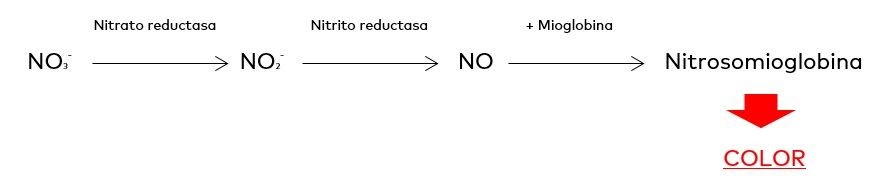
In the nitrification process, nitrate is reduced to nitrite, from which nitric oxide is produced. Nitric oxide combines with muscle myoglobin to form nitrosomyoglobin, which is responsible for the typical colour of cured meats, e.g. in the meat industry. In the case of cooked meats, the temperature causes this nitrosomioglobin to be transformed into nitrosylhaemochrome, which is responsible for the characteristic pink colour.

Nitrates and nitrites have been considered necessary in the food sector, in addition to the generation of colour that they provide to food, making it more attractive to consumers, because they guarantee certain safety in products by preventing the development of pathogenic bacteria, specifically Clostridium botulinum, which causes the well-known botulism disease.

Like any other additive, nitrites are regulated by Annex II of Regulation (EC) No 1333/2008 of the European Parliament and of the Council and the Annex to Commission Regulation (EU) No 231/2012. It regulates the maximum dose that can be incorporated in each foodstuff under a specific legislation.

There is increasing talk of replacing nitrites with other types of natural preservatives and of regulating more strictly the permitted dosage in the various foods in which they are used.

The problem is that, although nitrates occur naturally, for example in various vegetables (e.g. lettuce, celery) or even in water, some of them are converted into nitrites during the digestion process, reacting with amino acids in the stomach and giving rise to nitrosamines, which are carcinogenic substances. In the case of foodstuffs from the above-mentioned sectors they are found directly in the form of nitrites. For this reason it is important to find substitutes that avoid the presence of these additives in products that we normally consume.

There are many natural substitutes for nitrites on the market. As mentioned above, they are found naturally in vegetables such as lettuce and celery, and some companies use natural extracts of this type. We must not forget also the risk of sporogen poisoning that can be caused by poor nitrite substitution.

In our case, we have a transparent natural technology for nitrite substitution: the use of starters.

Our product Biamex NC, has a very innovative technology for the generation of the typical colour that nitrifiers would provide. In this way, thanks to a fixation reaction of the meat/fish protein itself, you can achieve an optimum replacement of nitrates, nitrites and/or nitro salts. In addition, this product incorporates another of our strains of ferments specialised in the action against sporogens such as clostridium botulinum.

Biamex NC, as a nitrite substitute, can be applied in any food where a substitution of this chemical additive is necessary.     

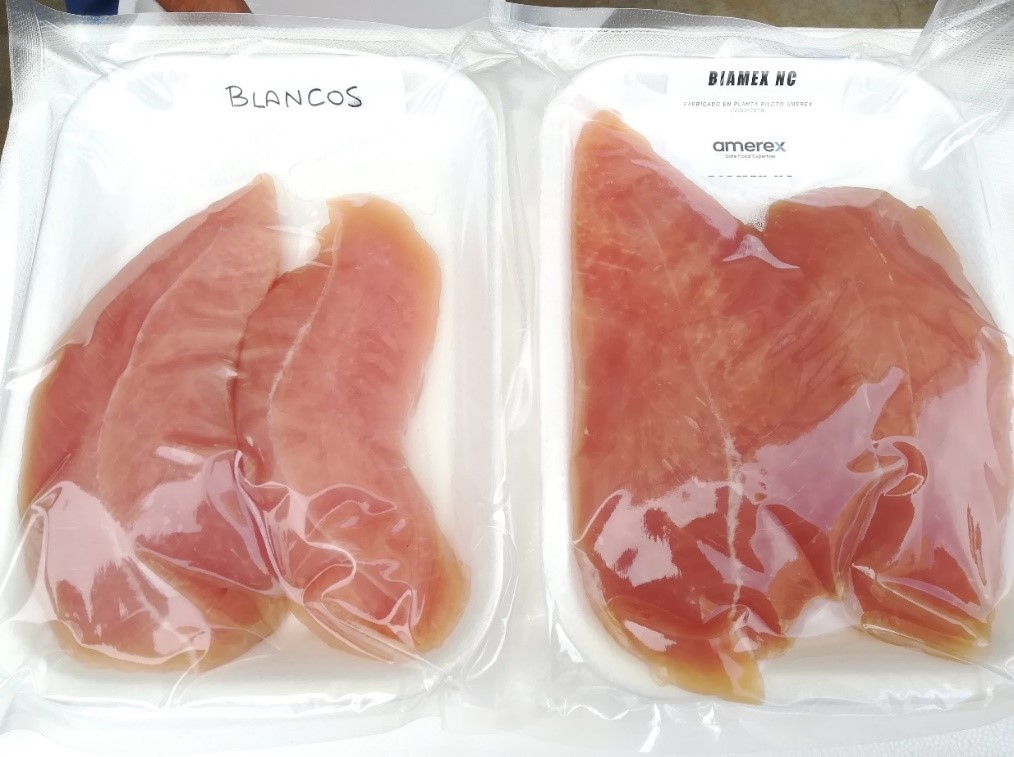
It is very common to substitute nitrites in meat products as we have mentioned above. Here is an example of injected turkey:

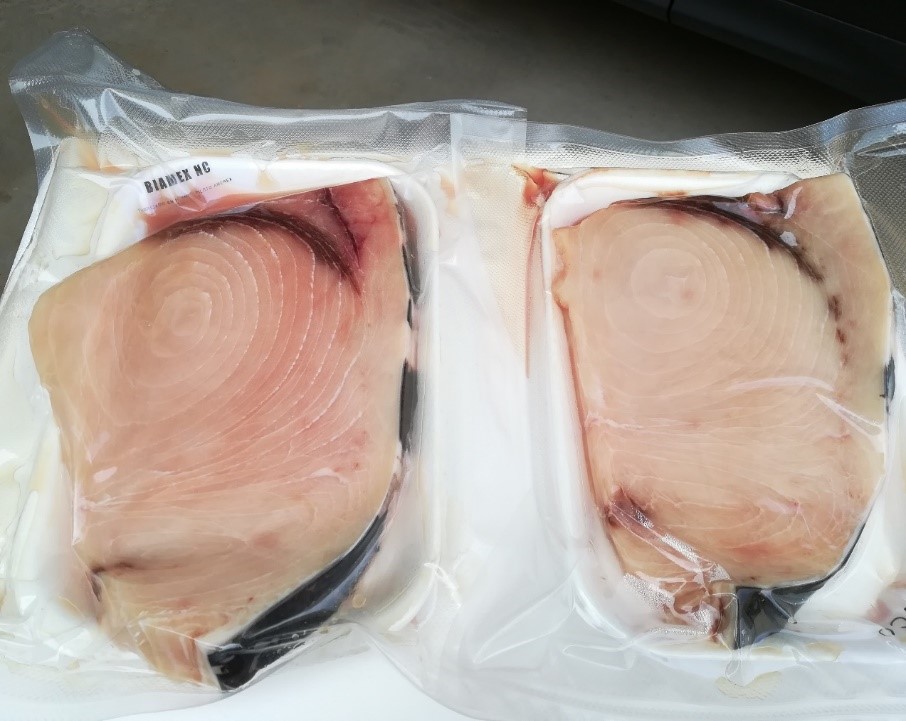
Another food where the use of nitrites is also common is in various fish. Biamex NC also has experience with this type of food. Here is a test on injected swordfish:

In conclusion, we can state that the use of starters is a very good alternative to nitrites, in particular the use of the Amerex Biamex NC product, as it significantly reduces the appearance of this colour in meat and fish products. In addition, this product includes Amerex’s protective technology to maintain product safety equivalent to the protection provided by nitrites.

Would you like more information about this starter culture? You can contact us for a personalised recomendation:

Amerex see you neXt time

Our Products

Contact us

5 + 2 = ?

DISCOVER THE BEST NATURAL ALTERNATIVES TO CHEMICAL ADDITIVES IN ULTRA-PROCESSED FOODS

The search for natural alternatives to chemical additives is one of the main objectives of the food industry. In today’s age, where health and wellbeing are a priority, the food industry is undergoing a revolution in terms of the ingredients and processes they use in food. More and more consumers are demanding less processed and more natural foods, free of artificial additives.

Ultra-processed foods are known for the large number of chemical additives on their labels. These additives are used to improve organoleptic or safety aspects of the food, but are there natural options to replace them?
In today’s blog we bring you a guide to the best natural alternatives to additives in your ultra-processed foods, so you can offer a healthier and microbiologically safer food!

Chemical additives are substances added to foodstuffs for the purpose of improving their taste, texture, colour or durability. They are regulated by Regulation (EC) No 1333/2008 of the European Parliament and of the Council of 16 December 2008, which lists, under the associated E number, all additives permitted in the European Union and their restrictions on use.

The current concern about these additives is due to studies that have suggested that excessive consumption of additives in ultra-processed foods (such as sausages, ready meals, pastries, etc.) could be linked to various health risks: such as allergies, metabolic disorders and adverse effects on gastrointestinal health.

The lack of transparency in product labelling often also makes it difficult for consumers to make informed food choices. This is why consumers are increasingly looking for natural alternatives that are free of artificial additives.

Chemical additives used in ultra-processed

There is a wide variety of natural alternatives to chemical additives in the ingredients market. Ultra-processed foods often need additives to help maintain colour, give a specific flavour or preserve the food for more days than a fresh product, however, natural ingredients can be used to provide the same benefits as artificial additives.

The best known additive substitutes are herbal and spice extracts, fruit or vegetable juices, and other natural extracts that can act as preservatives, colourings and flavour enhancers in a safe and healthy way. They are a good natural and environmentally friendly option. However, there are also other natural ingredients that are more effective as preservatives, such as ferments or lactic acid bacteria.

Starters are groups of lactic acid bacteria that offer an excellent alternative to artificial additives.

It is traditionally known that the way in which starters perform this preservative function is through the maturation of the product. This usually includes an organoleptic change in the food due to acidification, which lowers the pH and modifies the organoleptic characteristics of the matrix. They not only improve the preservation of the food, but also enhance its taste and nutritional value. Traditionally, these starters have been used in the maturation of sausages and cheeses and are well known to manufacturers.

There are, however, ferments that do not produce acidification in the product but do carry out food preservation by different mechanisms such as competition.

Amerex stands out in this case as a supplier of natural preservatives based on ferments, offering innovative and healthy solutions for the food industry as an alternative to chemical additives.

By choosing foods that are free of artificial additives and rich in natural ingredients, you gain a multitude of benefits. Firstly, you are promoting a healthier and more nutritious diet, and by avoiding synthetic additives, you reduce exposure to harmful chemicals and promote a more natural and sustainable lifestyle.

On the other hand, the use of these natural alternatives in ultra-processed foods, such as ferments, allows for the reduction of food processing resulting in a more “homemade” product. Together with the elimination of chemical additives, the consumer will get a more positive image of that food.

As a supplier of natural alternatives to food additives, Amerex has more than 40 years’ experience in providing innovative and sustainable solutions for the food industry.

Our natural ferment-based preservatives are an excellent alternative to artificial additives, guaranteeing the quality and safety of your food products without compromising taste or freshness. We have different product ranges, such as the Biamex range of ferments or Safemix natural flavourings, which include preservatives for specific problems, such as protection against Listeria or Salmonella, or for the removal of additives such as nitrite or sorbate.

In short, by choosing natural alternatives free of artificial additives, you are taking a step towards a healthier and more conscious diet. With options such as fermented foods as an alternative to additives and the commitment of companies like Amerex, it is easier than ever to enjoy delicious and nutritious food by offering the best choice to the consumer.

If you would like to know more about these natural options, please contact us for more information:

Amerex see you neXt time
Our Products

Contact us

2 + 0 = ?

VEGAN PRODUCTS AND NATURAL FOOD PRESERVATIVES

Today, the trend towards vegan products has gained significant popularity, but a debate arises over the authenticity of their “naturalness”. Many products labelled as vegan contain chemical additives, which has led to questions about their true nutritional value and their alignment with a healthy lifestyle. It is difficult to find vegan products that are clean label, i.e. that are free from food additives.

The question is, therefore, are products with a long list of chemical additives, such as these foods, really natural, and are there better options for natural preservatives to replace the current chemical additives?

It is clear that obtaining a natural, healthy, microbiologically safe and organoleptically optimal product is no easy task – read on and we’ll tell you more!

The term “Clean Label” means “clean label”, i.e. in the food industry it means a label free of chemical additives.

The term “clean label” has gained prominence in the food industry in recent years. It represents consumer demand for transparency and the search for products with ingredients that are easy to understand and recognise.

Consumers are now more informed about the additives used in foodstuffs and have access to the E-number references on labels.

Additives in vegan products

Food additives are all substances that are added to minimally processed foods to improve their organoleptic properties and to maintain their microbiological safety. All additives permitted in the European Union are regulated by Regulation (EC) 1331/2008 of the European Parliament and of the Council of 16 December 2008.

Vegan foods, in most cases, undergo a high level of processing and various additives are necessary to help them achieve the organoleptic and taste of the animal products they are trying to imitate. In addition, we cannot forget the importance of obtaining a microbiologically safe product as well, so preservatives will also be necessary in that list of ingredients.

This last point is another open debate, why imitate foods of animal origin that involve high processing and the addition of additives, instead of obtaining innovative vegan products.

Whatever the answer, at Amerex we can help by reducing the list of additives as we are specialists in natural preservatives based on biotechnology.

It is essential to educate consumers about the difference between natural preservatives and chemical additives. While additives can raise health concerns, Amerex natural preservatives are obtained from natural sources and are sustainably processed.

Amidst the debate about the authenticity of vegan products, the choice of natural preservatives becomes a crucial factor. Natural preservatives, unlike chemical additives, preserve the freshness of food without compromising quality or adding unwanted components.

Numerous natural preservatives are available for safe and organoleptically acceptable vegan products. As an industry leader, we at Amerex understand the importance of providing effective and safe natural food preservative solutions. Our dedication to biotechnology allows us to develop products that meet clean label standards without sacrificing food preservation efficacy.

We have many success stories in vegan foods for both dairy analogues and meat analogues. For this, the use of preservatives such as the Safemix range of products helps in the reduction of chemical treatments and additives and in the improvement of organoleptics.

Amerex is committed to offering natural preservatives that not only preserve the freshness of food, but also meet clean label standards, providing consumers with an authentic and healthy choice by obtaining the most natural product possible.

Find out how Amerex natural preservatives can improve the quality of your products – contact us today for more information!

Contact us for more information:

Amerex see you neXt time
Our Products

Contact us

5 + 2 = ?

AGROCHEMICALS AND THEIR ROLE IN THE INDUSTRY

Happy 2024 and welcome back to the Amerex Blog! Today we will take a journey through the history of agrochemicals and explore their evolution over time and their impact on agriculture. Knowing the environment and social context of the industry as a whole is important for our further growth. This Blog entry may seem a little bit out of our standards, but we are sure you will find it very interesting. Here we go!

Only those whose most basic needs, including food supply, are assured, can engage in more complex and enriching activities for the common good.

This premise, which is also a great truth, explains why many empires and civilizations throughout history eventually disappeared, mainly due to the inability to guarantee enough food for the entire population. Well-known civilizations such as the Egyptians, or the Mayans, came to an end with a string of bad harvests that resulted in food shortages.

The post-Enlightenment development made it possible to understand some processes that were unknown, such as pollination, seed growth and plant needs, or the identification of the most effective nutrients. This allowed solutions to be devised to increase crop productivity, and agrochemistry was born.

What is the origin of agrochemicals?

By the end of the 19th century, the first chemical products were developed to improve agricultural productivity. Initially, fertilizers were used to enrich the soil and increase yields. Over time, this practice evolved to include pesticides, herbicides and fungicides, ushering in the era of agrochemicals.

But let’s go back a little bit to the first moments of agriculture more than 10.000 years ago. In the Middle East, where a nomadic lifestyle prevailed, some communities began to settle in certain places, which was the basis for the development of the first civilizations. Sedentary lifestyles began, and early farmers began to cultivate wheat. This cereal was a significant source of protein, allowing them to properly feed themselves and eliminating the need to travel for hunting.

This change posed the beginning of permanent settlements that eventually evolved into complex civilizations. However, the positive impact of growing wheat and other crops was partially limited by the appearance of plagues.

Agrochemical - Meadow bathed by light. Image from Freepik

What is the historical relevance of agrochemicals and how have they influenced society?

– The importance of chemistry in pest control

Throughout different historical periods all over the world, substances that we call “pesticides” have been used with different strategies. For example, in Lower Mesopotamia almost 5 centuries ago, sulfur was used to control insects and mites that threatened crops. In China, during the same period, mercury was used in agriculture. Also ashes, smoke generated by burning straw, dead crabs, animal horns and excrement. The aim was to use pestilence to keep pests away from crops. Meanwhile in the first century, Pliny the Elder in Ancient Rome recommended the use of arsenic as an effective method to exterminate plagues. In addition, the first insecticide based on crushed pyrethrum was developed at that time.

More recently, in the 20th century before World War II, substances such as sulfuric acid, sodium chlorate, gas, naphthalene and creosote were used on farms.

– The use of fertilizers throughout history

Nutrient supply has been a permanent necessity since the earliest days of agriculture. Ensuring global food supply depends on the use of fertilizers to provide essential nutrients and prevent soil depletion.

In the 19th century, soil depletion in Europe led to famines, prompting research into agrochemicals to increase productivity. The chemist Justus Von Liebig then identified nitrogen, phosphorus and potassium as essential for plant growth, giving rise to the NPK formula, which today remains as the basis of modern chemical fertilizers. He was thus able to manufacture the first artificial fertilizer, but the lack of nitrogenous elements in its composition limited its success.

Nitrogen fixation was a challenge until Haber and Bosch proposed fixing it as ammonia. Today, we understand that crops require macronutrients and micronutrients, along with biostimulants and helpers to cope with stresses that conventional nutrients do not solve.

What is the environmental impact of agrochemicals?

In the 1960s, during the so-called Green Revolution, agrochemicals played a crucial role in driving increased agricultural production. The introduction of nitrogen fertilizers, herbicides and pesticides enabled farmers to grow larger crops. However, this period also raised concerns about environmental impact and human health.

The negative consequences of the environmental impact of agrochemicals include soil and water contamination. In addition, overexposure to certain pesticides has been linked to health problems, and loss of biodiversity is another significant concern. These adverse effects underscore the importance of searching for more sustainable alternatives.

What about the current trends regarding agrochemicals?

Today, there is a growing trend towards more sustainable agricultural practices. Farmers and scientists are striving to reduce dependence on agrochemicals by developing pest- and disease-resistant crops and using agro ecological practices. Technology such as precision agriculture is also being introduced to optimize the application of agrochemicals and minimize their environmental impact.

Agrochemicals - Farmer spraying fertilizer in a field. Image from Unsplash

How do companies contribute to agricultural productivity?

It is a fact that throughout history the use of tools of chemical nature to control pests and improve crop productivity has been essential and still is today.

The use of chemicals is essential to ensure the basic nutritional needs of the population and to guarantee sustainable agricultural productivity by protecting crops from uncontrolled pests.

Challenges persist in the most disadvantaged regions of the world. According to FAO, between 20% and 40% of all food crops worldwide are lost due to pests and diseases.

Well aware of this scenario, agrochemical companies have been researching and developing since the 1980s more selective substances capable of attacking specific pests without causing harm to humans. This approach seeks to ensure the maximum safety in agricultural food production.

In many cases, these companies offer substances for the manufacture of pesticides, while also focusing on innovation in the field of fertilizers and nutrient supply, where chemistry plays a crucial role. The aim is to develop substances that are more effective, safer and harmless to humans.

Which other strategies do exist to ensure food safety?

It is good to know the historical context of all issues related to the food industry, which allows us to move forward in the development of new and positive implementations of processes and improvements for the best use of food. But what happens after all this? At Amerex we share the commitment to ensure that food reaches its final destination while maintaining its freshness and safety.

Our product range is designed not only to preserve the organoleptic quality of food, but also to safely extend its shelf-life. By embracing innovation and excellence, we contribute to sustainability and safety in the food chain.

At Amerex we work to provide to the food industry alternatives that not only respect tradition, but also embrace modern technology. If you want our help to assist you in finding those solutions to apply to your products, we would be very happy to do so!

Amerex see you neXt time

Our Products

Contact us

1 + 2 = ?