PRESERVATIVES AGAINST LISTERIA IN CURED MEAT: NATURAL ALTERNATIVE FERMITRAT EXPORT
Listeria represents a significant challenge for the cured meat industry, but with the proper use of preservatives and control measures, it is possible to produce safe products with an appealing organoleptic quality for the final consumer.
At Amerex Ingredients, we are committed to food safety and offer innovative solutions to help cured meat producers keep their products free from listeria. Below, we examine the use of preservatives for listeria in cured meats and Amerex’s offering with its natural preservative, Fermitrat Export.
What is Listeria in cured meats?
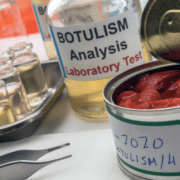
Listeria is a pathogenic bacterium that can cause serious infections, especially in people with weakened immune systems, pregnant women, newborns, and the elderly, known as listeriosis.
This bacterium is particularly concerning in meat products, including cured meats, because these foods are often consumed without additional cooking. Listeria has an optimal growth temperature of 37ºC but can survive at low temperatures, meaning that refrigeration alone is not always sufficient to prevent its growth. Additionally, the inactivation temperature varies depending on the food, listeria control is a crucial aspect of cured meat production.
Why are cured meats susceptible to listeria?
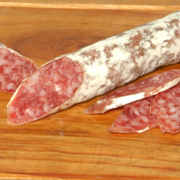
Cured meats, such as chorizo, salami, and serrano ham, are produced through a curing process that involves salting, drying, and fermentation. These traditional preservation methods, while effective in extending shelf life and enhancing flavor, may not be sufficient to completely eliminate listeria. Since these products are not typically subjected to cooking after curing, any contamination with listeria can pose a health risk to the consumer.
It is believed that products with a pH ≤ 4.4 or aw ≤ 0.92, products with a pH ≤ 5.0 and aw ≤ 0.94, and products with a shelf life of less than 5 days do not favor the development of listeria. However, cured meats often do not fall within these parameters.
What preservatives are used in cured meats?
To ensure the safety of cured meats and prevent listeria contamination, different types of preservatives are used. These can be natural or synthetic, with synthetic ones being more controversial nowadays, and they are incorporated at various stages of the production process.
Some of the most common preservatives used in cured meats include:
- Nitrates and Nitrites: These compounds not only help maintain the characteristic pink color of cured meats but also inhibit the growth of pathogenic bacteria, including listeria. However, their use is regulated due to potential adverse health effects at high concentrations.
- Organic Acids: Lactic acid, acetic acid, and citric acid are used to lower the pH of cured meats, creating a hostile environment for listeria growth, as we have seen before. These acids are often incorporated through starter cultures during the fermentation process.
- Plant Extracts: Natural preservatives, such as rosemary or green tea extracts, are gaining popularity due to the demand for more natural and less processed options. These extracts have antimicrobial and antioxidant properties, although their effectiveness has not yet proven to be higher than chemical additives.
- Protective Cultures: Beneficial bacterial cultures can compete with listeria or other pathogens for nutrients and the food matrix, thereby reducing their proliferation. These cultures not only improve safety but can also contribute to the flavor and texture of the final product.
Amerex Ingredients has been an expert in the use of protective cultures for over 40 years, with Fermitrat Export being a key product in the fight against listeria.
What preservatives for Listeria are used in cured meats?
To specifically address the risk of listeria in cured meats, food manufacturers are adopting strategies that include the use of antimicrobial preservatives effective against this bacterium.
Some of the most common include:
- Natamycin: A natural preservative produced by bacterial fermentation. It is effective against fungi and some bacteria, including listeria, and is used on the surface of cured meats to prevent contamination. In the European food additive regulations, it is associated with the number (E 235).
- By-products of Beneficial Microorganisms: Some by-products of beneficial microorganisms can inhibit the proliferation of listeria. They are widely used in the meat industry to extend shelf life and improve the safety of cured meats.
What are the lastest innovations in preservatives for cured meat?
With the growing demand for more natural and less processed products, the cured meat industry is exploring new technologies and preservatives. The use of natural preservatives and protective cultures is on the rise, and research continues to develop more effective and safer solutions to combat listeria.
In this regard, Amerex Ingredients has years of experience in using protective cultures like Fermitrat Export to meet the needs of its customers, both to extend shelf life by preventing pathogen contamination and to replace chemical additives.
What Listeria preservatives for cured meat do Amerex offer?
Amerex offers protective cultures that provide direct action against pathogenic microorganisms, such as Listeria Monocytogenes. Our natural preservative, Fermitrat Export, has been proven to protect against listeria for years in cured meats. Additionally, this product is effective in other food matrices such as fish, creams, or frozen meat.
If you want to receive more information, contact us:
- By calling: +34 918 45 42 14
- By sending an email to: imasd@amerexingredientes.com
- By filling out the form below


Amerex’s Technical Director, Alejandro Rodríguez, holds a degree in Biology and a master’s degree in biotechnology applied to food preservation. With a solid track record of over 10 years developing natural solutions, he leads projects focused on protective fermentation and innovative technologies to ensure food safety and quality.