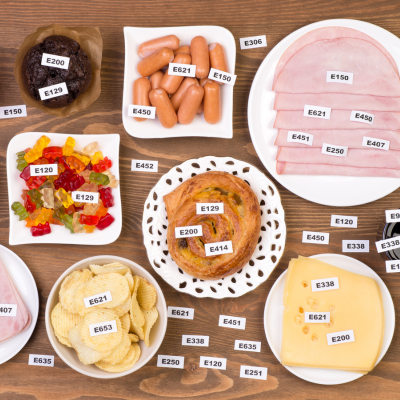
At Amerex we are committed to providing the best biotechnology solutions for the food industry. We are therefore pleased to announce that Amerex Research and Development has launched its innovative Biamex FP product, designed to improve food preservation and further enhance the range of natural preservatives in our Biamex range.
This new development is designed to extend the commercial shelf life of food that are close to their best before date, providing advanced protection against Listeria and preventing heterofermentation. In addition, at a higher dosage, Biamex FP is also effective against enterobacteria and yeasts, offering a global solution to many food safety challenges.
Biamex FP has undergone extensive testing in our pilot plant, as well as demanding challenge tests at customers where Listeria and Salmonella were inoculated, with excellent results in terms of effectiveness.
In addition, Amerex has introduced more than five new preservatives to the market this year. Our wide range of solutions is designed to meet the specific needs of each food producer. Our team of biotech consultants is available to evaluate our customers’ manufacturing processes and offer the best recommendation, whether it is Biamex FP or other products in our product portfolio, always looking for a customised solution.
For more information about our new references or how to improve production processes, we have an expert team available to advise you, do not hesitate to contact us!
Patricia Rodrigo is Head of Marketing & Product at Amerex. With a background in Biotechnology and a Master’s in Biotechnology Business Management, her work focuses on research and communication of natural alternatives to additives, conservation strategies, and pathogen control in various food groups for the industry.
https://amerexingredientes.com/wp-content/uploads/2024/10/Productos-4-scaled.jpg19272560Patricia Rodrigohttps://amerexingredientes.com/wp-content/uploads/2017/11/Logo-web-amerex-madrid-2.pngPatricia Rodrigo2024-10-08 08:40:372025-04-28 10:07:06Amerex launches BIAMEX FP and more than five new preservatives in 2024
The production of sausages requires specific processes to ensure the safety and quality of the final product. One of the most important stages is the treatment of the casings used for stuffing.
Traditionally, chemical additives such as sorbate have been used to protect these casings from microbiological issues, especially fungal growth. However, the food industry is increasingly seeking natural solutions.
At Amerex Ingredients, we offer Biamex YM, a natural alternative to sorbate for antifungal treatment in sausage casings. Below, we answer some of the most common questions about the use of casings and additives in this process.
What types of casings are used in sausage production?
In the sausage industry, two main types of casings are used:
Natural casings: These are obtained from the intestines of animals like pigs, sheep, or cattle. Natural casings have the advantage of allowing the sausage to breathe, which contributes to the development of traditional flavors and textures. Additionally, they are typically more elastic, making the stuffing process easier.
Artificial casings: These are made from materials such as collagen, cellulose, or plastics. They are mainly used in industrial sausage production due to their uniformity and ease of handling. They are a more economical option and are available in different thicknesses and lengths, adapting to various types of meat products.
What chemical additives are used for antifugal bath?
Casings, whether natural or artificial, require specific treatment (an antifugal bath) to prevent the proliferation of microorganisms that could affect the quality and safety of the sausage.
Traditionally the additives used for this purpose are:
Potassium sorbate (E-202): A preservative widely used in the food industry for its effectiveness in inhibiting the growth of mold and yeast. It is used in casing baths to prevent microbiological deterioration during storage and handling.
Sodium benzoate (E-211): Another preservative used to control the growth of bacteria and mold in food products. Its use in casings is common due to its antibacterial effect.
However, both sorbate and benzoate, are chemical additives with associated “E-numbers,” which may raise concerns among consumers seeking more natural and healthier products, as well as manufacturers striving for clean label production with minimal chemical additives.
Natural alternative to sorbate for antifungal baths of sausage casings
At Amerex Ingredients, we offer a natural alternative to sorbate specifically designed for the antifungal bath of sausage casings. Biamex YM is a natural preservative that offers the following benefits:
Antifungal efficacy: Biamex YM acts effectively against molds and yeasts that can affect the quality of both natural and artificial casings.
Food safety: Being a natural product, Biamex YM is safe for human consumption and complies with food safety regulations, making it an excellent choice for manufacturers looking to reduce the use of synthetic additives in their products.
Complete sorbate replacement: Biamex YM can effectively replace sorbate, eliminating the need to use this chemical preservative without compromising the quality or safety of the final product.
The use of natural alternatives to sorbate is increasingly sought after by manufacturers in the meat industry.
What are the advantages of using a natural antifugal like Biamex YM in sausage casings?
More and more consumers prefer natural, additive-free food products. Therefore, using Biamex YM in the treatment of sausage casings offers several advantages, as it meets the trend for “clean label” products. This trend is something today’s consumers are looking for, as they value products with cleaner labels and fewer artificial additives. Biamex YM allows sausage manufacturers to offer more natural products, which can be a key differentiator in a competitive market.
Furthermore, it reduces the risk of allergic reactions, as some consumers are sensitive to chemical preservatives like sorbate. By using a natural preservative, the risk of causing adverse reactions in susceptible individuals is reduced.
Finally, sustainability and environmental respect. As a natural product, Biamex YM is a more environmentally friendly option, helping manufacturers reduce their ecological footprint.
How is Biamex YM applied in sausage casing treatment?
Biamex YM is applied similarly to other preservatives used in casing treatment. It can be dissolved in the casing bath to ensure uniform distribution of the product and provide effective protection against fungal growth. This natural preservative is compatible with the treatment of both natural and artificial casings, ensuring the protection of the sausage from the initial production stage.
The sausage industry is evolving to meet the demands of consumers seeking healthier and more natural products. In this context, the sorbate alternative offered by Amerex Ingredients, Biamex YM, presents itself as an effective and safe solution for protecting sausage casings from fungi, without resorting to traditional chemical preservatives. This way, it is possible to guarantee the quality and safety of the final product while aligning with trends toward more natural and sustainable products.
Patricia Rodrigo is Head of Marketing & Product at Amerex. With a background in Biotechnology and a Master’s in Biotechnology Business Management, her work focuses on research and communication of natural alternatives to additives, conservation strategies, and pathogen control in various food groups for the industry.
https://amerexingredientes.com/wp-content/uploads/2024/09/Tripas-embutidos.png400400Patricia Rodrigohttps://amerexingredientes.com/wp-content/uploads/2017/11/Logo-web-amerex-madrid-2.pngPatricia Rodrigo2024-09-18 12:07:072025-04-28 10:07:06ANTIFUGAL FOR CASING BATH FOR CURED SAUSAGES
At Amerex, we are committed to sustainability and environmental protection. In line with this commitment, solar panels were acquired in 2022 to supply electricity to our facilities, as well as the incorporation of a 100% electric car into our vehicle fleet.
The installed solar panels have allowed our offices, pilot plant, and manufacturing plant to operate with clean and renewable energy, with 90% of Amerex’s electricity expenditure being generated by these panels (according to statistics from the last two years of use). This has significantly reduced our carbon footprint, promoting responsible use of natural resources. This investment not only underscores our commitment to sustainability but also contributes to energy efficiency and long-term cost reduction.
Additionally, the acquisition of an electric car strengthens our commitment to sustainable mobility. Amerex currently has a fleet of hybrid vehicles, and with the acquisition of this 100% electric vehicle, we can make more ecological trips, reducing CO2 emissions and promoting a healthier environment for everyone. This car is used by some employees for their daily commute to the office, reducing the use of personal gasoline or diesel vehicles, as well as for other necessary trips during the workday.
At Amerex, we understand that sustainability is not just a trend but a responsibility that we must assume to protect our planet. These actions are part of a broader strategy that includes the implementation of sustainable practices in all aspects of our activity.
We will continue to work to integrate sustainable solutions into our daily operations, demonstrating that it is possible to grow responsibly and in harmony with the environment.
Patricia Rodrigo is Head of Marketing & Product at Amerex. With a background in Biotechnology and a Master’s in Biotechnology Business Management, her work focuses on research and communication of natural alternatives to additives, conservation strategies, and pathogen control in various food groups for the industry.
https://amerexingredientes.com/wp-content/uploads/2024/06/2.png283400Patricia Rodrigohttps://amerexingredientes.com/wp-content/uploads/2017/11/Logo-web-amerex-madrid-2.pngPatricia Rodrigo2024-06-27 11:43:092025-04-28 10:11:20Amerex reinforces its commitment to sustainability through the acquisition of solar panels and a 100% electric car
In food industry, Listeria is a worldwide known bacterium. In this blog we will talk about the risk of contamination in a sector as attractive as the bakery industry due to the risk of contamination of pastry cream and sour cream .
In the world of confectionery there is a great variety of cakes, pies and other sweets, being a sector that always seeks excellence in taste and quality. However, food safety is a constant concern, especially when it comes to perishable products such as creams and cream. One of the main microbiological risks faced by confectionery is contamination by the well known Listeria monocytogenes a bacterium that can cause serious health problems.
Which pathogenic microorganism is Listeria monocytogenes?
Listeria monocytogenes is a gram-positive pathogenic bacterium that can be found in a wide variety of foods. Its presence is well known in the meat sector, with very well known cases at national level, but it can also be present in dairy products such as different cheeses, milk or also in cream and creams used in pastry fillings.
This bacterium is especially dangerous because it is very resistant to unfavorable environments. It can survive and multiply in conditions of acidity, salinity (up to 10%), oxygen scarcity (even under vacuum) and refrigeration temperatures (as low as 2º-4º C), which means that even foods stored in cold conditions are not completely safe. Other factors such as pH (between 4.4-9.4) and water activity (>0.92) also play a role.
Why is Listeria dangerous?
Listeria infection, known as listeriosis, can cause severe symptoms such as fever, muscle aches and gastrointestinal problems. In people with weakened immune systems, pregnant women, newborns and the elderly, listeriosis can be fatal.
In addition, as discussed above, the ability of Listeria to grow in cold environments makes it a challenge to keep it under control in refrigerated dairy products, such as any type of cake, pie, or pastry food with a cream or custard filling. In addition, although it does not continue to proliferate during freezing, its presence is maintained, so there is still a risk of contamination in frozen cakes, especially when they begin to thaw and the bacteria, if present, continue to multiply.
What factors favor contamination in sour cream and pastry cream in bakery?
As mentioned above, creams and cream, which are dairy-based products, are especially vulnerable to microbiological contamination due to several factors:
Water and Nutrient Content: These products are rich in water and nutrients, making them an ideal medium for the growth of bacteria and in particular listeria.
Handling and Processing: Handling during processing and storage can facilitate the introduction of contaminants.
Storage Temperature: Although stored refrigerated, Listeria can survive and multiply at low temperatures.
Pastry preservatives against listeria in cream in bakery
Currently, there are several preservatives against Listeria and other microorganisms. At Amerex we specialize in natural preservatives based on biotechnology that offer an innovative, safe and clean label solution.
Our preservatives can be used in different food matrices, such as sour cream and pastry cream in bakery, but also in other products susceptible to listeria contamination such as meat matrices, fresh pizza doughs, in fish such as salmon, etc.
Thus, our preservatives offer the following advantages:
Safety: They are safe for consumption and do not present risks associated with synthetic chemicals.
Efficacy: They are effective against a wide range of microorganisms, including Listeria due to their use of protective fermentation.
Sustainability: They are environmentally sustainable and are aligned with trends towards more natural and less processed products.
Shelf Life Extension: Extends the shelf life of products without the addition of unwanted chemical additives.
Maintain Quality: They do not negatively affect the organoleptic properties of the product: taste, texture or appearance.
Safety in bakery as in other food sectors is essential and combating microbiological contaminations in products such as sour and pastry creams are a challenge that cannot be ignored.
Our company is dedicated to providing natural and effective solutions to protect your products and ensure that they reach consumers in the best possible condition. At Amerex we have different specialized preservatives with very good results against listeria in frozen and refrigerated cream and custard cakes.
If you would like more information about our products, please do not hesitate to contact us!
Patricia Rodrigo is Head of Marketing & Product at Amerex. With a background in Biotechnology and a Master’s in Biotechnology Business Management, her work focuses on research and communication of natural alternatives to additives, conservation strategies, and pathogen control in various food groups for the industry.
https://amerexingredientes.com/wp-content/uploads/2024/05/Miniatura-listeria-en-reposteria.png400400Patricia Rodrigohttps://amerexingredientes.com/wp-content/uploads/2017/11/Logo-web-amerex-madrid-2.pngPatricia Rodrigo2024-05-21 09:01:262025-04-28 10:11:21MICROBIOLOGICAL PROBLEMS IN BAKERY: LISTERIA IN SOUR AND PASTRY CREAM
The search for natural alternatives to chemical additives is one of the main objectives of the food industry. In today’s age, where health and wellbeing are a priority, the food industry is undergoing a revolution in terms of the ingredients and processes they use in food. More and more consumers are demanding less processed and more natural foods, free of artificial additives.
Ultra-processed foods are known for the large number of chemical additives on their labels. These additives are used to improve organoleptic or safety aspects of the food, but are there natural options to replace them? In today’s blog we bring you a guide to the best natural alternatives to additives in your ultra-processed foods, so you can offer a healthier and microbiologically safer food!
What chemical additives are used in ultra-processed foods and why do consumers want to avoid them?
Chemical additives are substances added to foodstuffs for the purpose of improving their taste, texture, colour or durability. They are regulated by Regulation (EC) No 1333/2008 of the European Parliament and of the Council of 16 December 2008, which lists, under the associated E number, all additives permitted in the European Union and their restrictions on use.
The current concern about these additives is due to studies that have suggested that excessive consumption of additives in ultra-processed foods (such as sausages, ready meals, pastries, etc.) could be linked to various health risks: such as allergies, metabolic disorders and adverse effects on gastrointestinal health.
The lack of transparency in product labelling often also makes it difficult for consumers to make informed food choices. This is why consumers are increasingly looking for natural alternatives that are free of artificial additives.
What natural alternatives to chemical additives are there on the market?
There is a wide variety of natural alternatives to chemical additives in the ingredients market. Ultra-processed foods often need additives to help maintain colour, give a specific flavour or preserve the food for more days than a fresh product, however, natural ingredients can be used to provide the same benefits as artificial additives.
The best known additive substitutes are herbal and spice extracts, fruit or vegetable juices, and other natural extracts that can act as preservatives, colourings and flavour enhancers in a safe and healthy way. They are a good natural and environmentally friendly option. However, there are also other natural ingredients that are more effective as preservatives, such as ferments or lactic acid bacteria.
What are starters as an alternative to chemical additives?
It is traditionally known that the way in which starters perform this preservative function is through the maturation of the product. This usually includes an organoleptic change in the food due to acidification, which lowers the pH and modifies the organoleptic characteristics of the matrix. They not only improve the preservation of the food, but also enhance its taste and nutritional value. Traditionally, these starters have been used in the maturation of sausages and cheeses and are well known to manufacturers.
Amerex stands out in this case as a supplier of natural preservatives based on ferments, offering innovative and healthy solutions for the food industry as an alternative to chemical additives.
What are the benefits of opting for natural alternatives to ultra-processed foods?
By choosing foods that are free of artificial additives and rich in natural ingredients, you gain a multitude of benefits. Firstly, you are promoting a healthier and more nutritious diet, and by avoiding synthetic additives, you reduce exposure to harmful chemicals and promote a more natural and sustainable lifestyle.
On the other hand, the use of these natural alternatives in ultra-processed foods, such as ferments, allows for the reduction of food processing resulting in a more “homemade” product. Together with the elimination of chemical additives, the consumer will get a more positive image of that food.
Where to find a supplier of Natural Alternatives to additives in ultra-processed foods?
As a supplier of natural alternatives to food additives, Amerex has more than 40 years’ experience in providing innovative and sustainable solutions for the food industry.
Our natural ferment-based preservatives are an excellent alternative to artificial additives, guaranteeing the quality and safety of your food products without compromising taste or freshness. We have different product ranges, such as the Biamex range of ferments or Safemix natural flavourings, which include preservatives for specific problems, such as protection against Listeria or Salmonella, or for the removal of additives such as nitrite or sorbate.
In short, by choosing natural alternatives free of artificial additives, you are taking a step towards a healthier and more conscious diet. With options such as fermented foods as an alternative to additives and the commitment of companies like Amerex, it is easier than ever to enjoy delicious and nutritious food by offering the best choice to the consumer.
If you would like to know more about these natural options, please contact us for more information:
Patricia Rodrigo is Head of Marketing & Product at Amerex. With a background in Biotechnology and a Master’s in Biotechnology Business Management, her work focuses on research and communication of natural alternatives to additives, conservation strategies, and pathogen control in various food groups for the industry.
https://amerexingredientes.com/wp-content/uploads/2024/03/Miniatura-Alternativa-Aditivos.png400400Patricia Rodrigohttps://amerexingredientes.com/wp-content/uploads/2017/11/Logo-web-amerex-madrid-2.pngPatricia Rodrigo2024-03-21 11:27:302025-04-28 10:11:22DISCOVER THE BEST NATURAL ALTERNATIVES TO CHEMICAL ADDITIVES IN ULTRA-PROCESSED FOODS
Today, the trend towards vegan products has gained significant popularity, but a debate arises over the authenticity of their “naturalness”. Many products labelled as vegan contain chemical additives, which has led to questions about their true nutritional value and their alignment with a healthy lifestyle. It is difficult to find vegan products that are clean label, i.e. that are free from food additives.
The question is, therefore, are products with a long list of chemical additives, such as these foods, really natural, and are there better options for natural preservatives to replace the current chemical additives?
It is clear that obtaining a natural, healthy, microbiologically safe and organoleptically optimal product is no easy task – read on and we’ll tell you more!
What does Clean Label mean and what is the importance of transparency in vegan food?
The term “Clean Label” means “clean label”, i.e. in the food industry it means a label free of chemical additives.
Vegan foods, in most cases, undergo a high level of processing and various additives are necessary to help them achieve the organoleptic and taste of the animal products they are trying to imitate. In addition, we cannot forget the importance of obtaining a microbiologically safe product as well, so preservatives will also be necessary in that list of ingredients.
This last point is another open debate, why imitate foods of animal origin that involve high processing and the addition of additives, instead of obtaining innovative vegan products.
Whatever the answer, at Amerex we can help by reducing the list of additives as we are specialists in natural preservatives based on biotechnology.
What is the difference between natural food preservatives and chemical additives for vegan products?
It is essential to educate consumers about the difference between natural preservatives and chemical additives. While additives can raise health concerns, Amerex natural preservatives are obtained from natural sources and are sustainably processed.
Amidst the debate about the authenticity of vegan products, the choice of natural preservatives becomes a crucial factor. Natural preservatives, unlike chemical additives, preserve the freshness of food without compromising quality or adding unwanted components.
What natural preservatives are currently available for vegan products?
Numerous natural preservatives are available for safe and organoleptically acceptable vegan products. As an industry leader, we at Amerex understand the importance of providing effective and safe natural food preservative solutions. Our dedication to biotechnology allows us to develop products that meet clean label standards without sacrificing food preservation efficacy.
We have many success stories in vegan foods for both dairy analogues and meat analogues. For this, the use of preservatives such as the Safemix range of products helps in the reduction of chemical treatments and additives and in the improvement of organoleptics.
Amerex is committed to offering natural preservatives that not only preserve the freshness of food, but also meet clean label standards, providing consumers with an authentic and healthy choice by obtaining the most natural product possible.
Find out how Amerex natural preservatives can improve the quality of your products – contact us today for more information!
Patricia Rodrigo is Head of Marketing & Product at Amerex. With a background in Biotechnology and a Master’s in Biotechnology Business Management, her work focuses on research and communication of natural alternatives to additives, conservation strategies, and pathogen control in various food groups for the industry.
https://amerexingredientes.com/wp-content/uploads/2024/01/50.-Miniatura-naturalidad-productos-veganos.png400400Patricia Rodrigohttps://amerexingredientes.com/wp-content/uploads/2017/11/Logo-web-amerex-madrid-2.pngPatricia Rodrigo2024-02-12 12:05:472025-04-28 10:11:22VEGAN PRODUCTS AND NATURAL FOOD PRESERVATIVES
In the world of food safety, the emergence of emerging pathogens poses constant challenges. Among them, Campylobacter has emerged as a disturbing player in the food safety equation.
As we explore the complexities of this microorganism and its impact on a variety of foods, we will discover how Amerex, a leader in biotechnology-based natural food preservatives, is at the forefront of finding innovative solutions.
Join us in this blog to understand and address the challenge presented by Campylobacter in our food chain.
Pathogenic microorganisms in food. What do we know about Campylobacter?
In the constant quest to ensure food safety, we are faced with a number of challenges, one of which is the emergence of new emerging pathogens in food.
The Campylobacter bacterium has recently captured the attention of the scientific community. Campylobacter belongs to the family Campylobacteraceae. Species of this genus are Gram-negative, comma-shaped, motile bacilli and have proven to be a growing risk in the food chain due to the food poisoning they cause.
Combating Gram-negative bacteria is one of the main challenges for the food industry, as there are not many food additives that are really effective against these pathogens due to the protection afforded by their cell wall. To a lesser extent, we can even find natural food preservatives that are clean-label and really effective in keeping this type of microorganisms at bay.
Which foods are contaminated by the emerging pathogen Campylobacter?
The prevalence of pathogenic microorganisms in food, such as Campylobacter, poses a serious threat to public health as it can cause campylobacteriosis (a common cause of intestinal infection). These bacteria are also one of the many causes of traveller’s diarrhoea or food poisoning.
These bacteria can contaminate a wide range of foods, from poultry to dairy products to raw vegetables, similar to contamination by the world-renowned Salmonella. People are almost always infected by eating contaminated food.
Understanding how these emerging pathogens affect our food chain is essential to implement effective safety measures, both at the production level in the food industry and good food handling practices by consumers at home.
What are the most common types of food additives against Campylobacter?
In the quest to ensure food safety, it is crucial to know which are the most common and effective types of food additives against Gram-negative pathogens such as Campylobacter.
The group of Gram-negative bacteria are among the most difficult to combat in the food industry, including pathogens such as the aforementioned Salmonella and Campylobacter, or E. coli within the group of enterobacteria. All of them can cause diseases of particular relevance to humans as a result of consuming food that has developed them.
The most common types of food additives against these bacteria is the use of acids, such as acetic acid. Acetic acid is widely used in the industry and has been assigned the E number E-260, and also all its salts such as sodium diacetate, the latter being the additive with number E-262ii. Even with this specific activity, acetic acid often requires synergies with other preservatives of different origins to control its occurrence.
Are there natural food preservatives against Gram-negative bacteria?
Amerex, through its use of biotechnology, has developed natural food preservatives that not only extend the shelf life of food, but also act as effective barriers against these unwanted microorganisms.
The combination of technologies in the food industry has become an innovative and effective strategy to improve product safety and quality. At Amerex we have products based on the synergy of acetic acid and protective fermentation, such as Fermitrat Fs, which is a prime example of this highly effective combination.
However, there are other fully clean-label solutions that allow acetic acid to be removed from the equation, resulting in natural food preservatives. Thanks to the use of protective fermentation, the mixture of different strains allows us to obtain products that tackle these types of pathogens, such as Safemix AV.
In summary, the challenge of dealing with emerging food pathogens requires a combination of awareness, research and innovative solutions. Amerex is committed to providing natural food preservatives that not only meet these challenges, but also raise food safety standards in the industry.
Our team of experts is at your disposal to advise you on customised solutions for your specific needs in the food industry to improve the safety, quality and durability of your food products.
Patricia Rodrigo is Head of Marketing & Product at Amerex. With a background in Biotechnology and a Master’s in Biotechnology Business Management, her work focuses on research and communication of natural alternatives to additives, conservation strategies, and pathogen control in various food groups for the industry.
From today, Tuesday 26th September, the Amerex sales team will be present with its own stand at the Alimentaria Foodtech trade fair which will take place in Barcelona until Friday 29th September.
Alimentaria Foodtech is a fair of ingredients, machinery and technology, which has participants from all over the world and where the most recent developments in the industry are presented. This space is a meeting point for the most relevant companies in the sector.
The fair will be held at Fira Barcelona, in Hall 2. Visiting hours for each day are:
Tuesday 26 to Thursday 28 September from 9.30am to 6.30pm
Friday 29 September from 9.30am to 4pm.
You can find us at stand A 264, where we will be presenting this year’s fresh updates, result of the research projects we are part of.
You will also be able to find one of our latest products in the Ingrenova space, where the most innovative Intermediate Food Products (IFP) will be presented.
Here are some photos of the stand so you can find us better!
If you need more information, please do not hesitate to contact us.
Patricia Rodrigo is Head of Marketing & Product at Amerex. With a background in Biotechnology and a Master’s in Biotechnology Business Management, her work focuses on research and communication of natural alternatives to additives, conservation strategies, and pathogen control in various food groups for the industry.
https://amerexingredientes.com/wp-content/uploads/2023/09/26-29-Sept-1.png400400Patricia Rodrigohttps://amerexingredientes.com/wp-content/uploads/2017/11/Logo-web-amerex-madrid-2.pngPatricia Rodrigo2023-10-03 10:12:392025-04-28 10:11:23Alimentaria Foodtech 2023 is officially underway! Don’t miss out on the recent developments in food safety
Welcome to Amerex’ Blog! As mentioned in previous posts, it is very common for today’s consumers to take a deeper look at the ingredients shown in food labels. In this blog post we will take a look at the origin, classification and alternatives to food additives to be able to make a conscious decision when buying food on a daily basis.
What are food additives?
The definition of food additives is laid down in Regulation 1333/2008 of the European Parliament and reads as follows: “any substance not normally consumed as a food in itself and not normally used as a characteristic ingredient of food, whether or not it has nutritive value, the intentional addition of which to food for a technological purpose in the manufacture, processing, preparation, treatment, packaging, transport or storage of such food results, or may be reasonably expected to result, in it or its by-products becoming directly or indirectly a component of such foods”.
Essentially, food preservatives are used in the food industry to improve the organoleptic characteristics of foods, increase their shelf-life or facilitate their manufacture.
Are food additives regulated under the law?
The European Food Safety Authority, better known by its acronym EFSA, is the body in charge of evaluating the safety of food additives, either new additives or new uses of existing additives, as well as the re-evaluation of already authorised additives. It states the following data:
Identity and characterisation of the additive
Stability in food
Justification of its necessity
Existing authorisations
Evaluation of human dietary exposure to the additive
Biological and toxicological characteristics
In the framework of its safety evaluations of food additives, EFSA tries to determine the safe levels and the Acceptable Daily Intake (ADI) for each substance. All this information is supported not only by EFSA but also by the Scientific Committee on Food (SCF). This ensures that food additives included in the EU list are considered safe and their limits are correctly identified.Regulation (EC) Nº 1333/2008 and its annexes constitute the legislation under which definitions, the use of food additives and all matters relevant to such additives are regulated.
How are food additives classified?
Additives used in food can be classified according to different criteria such as the origin of the product or, more commonly, according to their functionality. Let’s have a look at these classifications.
Classification according to the origin of the product
A first category would be natural additives, which are those obtained from natural elements through physical methods that do not involve the addition of any other non-natural substance. Examples of natural preservatives are plant-based pectin or agar obtained from algae.
The second category are the synthetic or non-natural additives, which are obtained through the synthesis of products that are not present in nature and/or through processes that generate or include non-natural substances. This category includes most of the preservatives commonly used in the food industry, such as sodium nitrite or citric/acetic acids.
Classification by functionality
Regardless of the natural or synthetic origin of food additives, they can be classified according to their function in the final food. The following is a classification of the most commonly used additives:
Colouring agents used to intensify or change the colour of the food and make it more attractive for consumption.
Preservatives that are added to extend the shelf-life of the food by protecting against microbiological or enzymatic spoilage.
Antioxidants used to also extend shelf-life through mechanisms that prevent or delay oxidation and rancidity caused by physical processes such as exposure to light or oxygen.
Emulsifiers that allow the mixture of two or more ingredients that are non-miscible and keep it stable.
Thickeners to improve, increase or concentrate the viscosity of a food to ensure an optimal texture for consumption.
Flavour enhancers that increase the intensity or durability of the natural flavour of the food.
Other categories of food additives would be e.g. sweeteners, humectants, acidity regulators or flavourings.
What does it mean if an additive is labelled as an E-number in a food?
When us consumers check a label in search of all the ingredients of a foodstuff, we very often find that many of them are labelled as an E number, which is basically an international identification system created for better understanding by consumers.
This E-number system indicates that the food additives listed on the label are approved by the European Union for use in food. In addition, they follow special numbering codes that indicate their classification by functionality as well as the specific substance used. Some examples of how the codes relate to these additives are as follows (they are classified in the hundreds):
Antioxidants and acidity regulators: E-300
Colouring agents: E-100
Preservatives: E-200
Stabilisers: E-400
Flavour enhancers: E-600
Is it safe to use additives in food?
Historically and for ages, society has been aware of the need to find solutions for food preservation, and therefore salt and vinegar, for example, are traditional preservation methods that many manufacturers still take into account today. Likewise, the use of spices and plants, which are traditional solutions to improve the flavour, aroma and appearance of food. Nowadays, and with the technology being much more advanced, the aforementioned preservatives meet this need, and consumers now place great value on the fact that the use of additives in the food industry must always be safe, justified, transparent and beneficial in its intended purpose.
There are some concerns about the use of some of these ingredients in certain foods and many consumers are more cautious about controlling their dietary intake. For example, one claim is that colouring agents are not safe, as many people develop sensitivity to specific colouring agents such as E-102 or Tartrazine that is mostly used in drinks, sweets and ice cream. Or the cases of infantile hyperactivity developed by some preservatives and their mixtures, equally supported and denied by the scientific community.
The truth is that the additives are regulated by the European Community and have their corresponding authorisation for use, so they meet the requirements established by law. However, this does not mean that all the food additives currently in use should not be monitored and that their functionalities and their suitability for human consumption should not be continuously re-evaluated. It definitely should be.
Are there alternatives to the use of additives in the food industry?
Indeed there are alternatives to food additives. In fact, in the food industry the concern for a clean label and the use of fewer additives and ingredients is becoming more and more relevant, as we mentioned in our previous blog post.
The “chemophobia” or fear of excessive chemicals in processed foods is causing numerous products claiming to be 100% E-number free, and offer more natural alternatives. Therefore, natural preservative alternatives are becoming increasingly popular and are without a doubt the focus of many ingredient manufacturers who want to follow these consumer trends.
Where can I get a natural preservative as an alternative to the use of food additives?
At Amerex we design and manufacture E-number free microbiological blends as alternatives to improve the safety and shelf-life of a wide range of products. Some examples of natural preservatives are our Biamex and Safemix ranges, which can achieve a reduction or even removal of these additives (sorbate, nitrites, sulphites, lactate, acetate…).
More specifically, our nitrite replace solution, BIAMEX-NC, is one of the top products of recent years. Or the AMEXOL range as natural antioxidant alternative to replace acids such as citric (E-330) and ascorbic (E-300).
If you like to know more about the use of these alternatives and many others that we have in our product portfolio, we will be happy to offer you expert advice on food preservation.
Patricia Rodrigo is Head of Marketing & Product at Amerex. With a background in Biotechnology and a Master’s in Biotechnology Business Management, her work focuses on research and communication of natural alternatives to additives, conservation strategies, and pathogen control in various food groups for the industry.
https://amerexingredientes.com/wp-content/uploads/2022/12/Produccion-de-alimentos-1-scaled.jpg25602560Patricia Rodrigohttps://amerexingredientes.com/wp-content/uploads/2017/11/Logo-web-amerex-madrid-2.pngPatricia Rodrigo2022-12-21 11:50:002025-04-28 10:17:20FOOD ADDITIVES: ORIGIN, CLASSIFICATION AND ALTERNATIVES
“This project has received funding from the Bio Based Industries Joint Undertaking (JU) under grant agreement No 888003. The JU receives support from the European Union’s Horizon 2020 research and innovation programme and the Bio Based Industries Consortium”
Hello everyone and welcome once again to our Blog. Today we are thrilled to announce our participation in a European project within the Horizon 2020 financing program! We would like to share the main highlights of this innovative, stimulating venture which is sure to give you inspiration and feasible ideas to apply in your own business…
Essentially, the European Up4Health project is based on the utilization of biomass generated in various processes in diverse industries such as wineries, oil mills and nut processing plants. The functional ingredients derived from these have multiple applications in various other industries like food, nutraceutical and cosmetics.
Within the scope of Up4health, besides making use of these residual, bioactive compound rich raw materials from the food sector, it also optimizes the value chain of productive industries by achieving the goal of ‘zero waste’-thus making the project highly sustainable, as well as innovative.
The aforementioned functional ingredients are the following: natural fruit water rich in polyphenols, dietary fiber rich in polyphenols, natural oily fruit extracts and prebiotic xylooligosaccharides. The applications in which these bioactive compounds can be used range from functional foods, such as meat products, healthy snack bars, soft foods for the elderly, drinkable solutions in the form of gel, olive oil, natural drinks, yogurt, to nutraceuticals supplements and even cosmetics.
Over the next 48 months, we will collaborate with nine organizations from five different countries to carry out this project successfully.
So, what specific role does Amerex play in Up4health? We will be conducting trials using certain polyphenols extracted from olive and grape fiber flour, with the aim of delaying the oxidative processes and thus increasing the shelf-life of the final products in food industry.
Ultimately, the main objectives are going to be: on one hand, maintaining the colour, avoiding oxidation and thus prolonging the shelf-life of the product. On the other hand, enhancing the food safety of the product which may be affected by the growth of spoilage microorganisms.
And how do we set about this task? In the initial phase, the necessary requirements for the functional ingredients such as sensory profile, microbiological safety and physical properties will be determined in order to fulfill the desired outcome, in line with the end consumer’s needs.
The role of Amerex alongside other partnering companies is to make sure that these requirements are well defined, as this will be the main determinant for the success of the project. We will execute this, headed by the UNIVERSITY OF VIGO, who will make certain that the appropriate biomass requirements and objectives are met owing to this collaboration.
We would like to greatly express our gratitude to ISANATUR SPAIN S.L. for trusting us with this amazing opportunity, and also to CONTACTICA S.L., for making this project possible.
We are eager to keep you updated in this matter, and hope it to be very soon. In the meantime…
Nuria Lázaro is the R&D and Quality Manager for Amerex’s technical team. She holds a degree in Biology and a master’s degree in Biotechnology. She brings her experience in food preservation and safety, specializing in legislation and the development of new preservatives and antioxidants.
https://amerexingredientes.com/wp-content/uploads/2020/09/Proyecto-Up4Health-innovacion.png16001600Nuria Lázarohttps://amerexingredientes.com/wp-content/uploads/2017/11/Logo-web-amerex-madrid-2.pngNuria Lázaro2020-09-18 07:28:242022-03-10 07:55:18R&D BOOST – AMEREX IN THE UP4HEALTH PROJECT
To offer the best experiences, we use technologies such as cookies to store and/or access device information. Consent to these technologies will allow us to process data such as browsing behavior or unique IDs on this site. Failure to consent, or withdrawal of consent, may adversely affect certain features and functions.
Funcional
Always active
El almacenamiento o acceso técnico es estrictamente necesario para el propósito legítimo de permitir el uso de un servicio específico explícitamente solicitado por el abonado o usuario, o con el único propósito de llevar a cabo la transmisión de una comunicación a través de una red de comunicaciones electrónicas.
Preferences
El almacenamiento o acceso técnico es necesario para la finalidad legítima de almacenar preferencias no solicitadas por el abonado o usuario.
Statistics
El almacenamiento o acceso técnico que es utilizado exclusivamente con fines estadísticos.El almacenamiento o acceso técnico que se utiliza exclusivamente con fines estadísticos anónimos. Sin un requerimiento, el cumplimiento voluntario por parte de tu proveedor de servicios de Internet, o los registros adicionales de un tercero, la información almacenada o recuperada sólo para este propósito no se puede utilizar para identificarte.
Marketing
El almacenamiento o acceso técnico es necesario para crear perfiles de usuario para enviar publicidad, o para rastrear al usuario en una web o en varias web con fines de marketing similares.