THE MOST WIDELY USED FOOD PRESERVATIVES IN THE INDUSTRY
We welcome you one more day in our Blog with a new entry! Did you know that according to the FAO about 14% of the world’s food is lost after harvest, and another 17% is wasted during marketing and by consumers, especially in households? One of the main reasons for this waste is microbial spoilage. Foodstuffs suffer from the presence of undesirable microorganisms that cause them to develop alterations that limit their shelf life. How many times have we heard the phrase “it’s gone bad” in our homes? In addition to consumers, these negative consequences also affect manufacturers and distributors.
In addition to commercial defects, food spoilage can pose a health hazard to those who consume it. We continually hear how diseases such as listeriosis, salmonellosis or botulism affect the population, in some cases triggering very serious consequences.
There is no doubt that these negative effects of food spoilage are a reason for the industry to develop effective methods and tools to mitigate the appearance and growth of pathogenic or spoilage microorganisms. We always talk about the barrier system as the different strategies for food protection: processes such as thermal treatments or high pressures, good practices, care in packaging or storage, among others, and of course the use of chemical or natural substances with antimicrobial action such as antimicrobial agents. food preservatives.
How are food preservatives defined?
According to European Parliament Regulation 1333/2008, preservatives are: “substances that prolong the shelf life of foods by protecting them from spoilage caused by microorganisms or that protect against the growth of pathogenic microorganisms“. This Regulation differentiates this definition from that of antioxidants, which protect against “deterioration caused by oxidation, such as rancidity of fats and color changes“.
Food preservatives are one of the many types of food additives that exist (in our previous Blog entry you can review what they are and their functionalities), and their definition would therefore be limited to those ingredients that are added to foods to ensure their stability during shelf life, protecting them from microbial spoilage by pathogens or other microorganisms..
These preservatives can be divided into organic and inorganic, and can also be differentiated by their mode of action. The use of each of them separately or together will depend on the type of food and the need for protection required.

Which food preservatives are most commonly used for food protection?
Some of the most common preservatives in food are weak organic acids capable of altering the metabolism of microorganisms and are especially effective in the case of acidic foods. For example:
- Sorbic acid together with its salts, the sorbates, is one of the most widely used food preservatives of chemical synthesis today, especially effective against molds and yeasts. It does not alter the flavor or aroma of food, and in the case of sorbates, these are more soluble and of minimal toxicity.
- Propionic acid, also used as propionate (in salt form) is effective against molds and some bacteria.
- Lactic acid is in liquid form, which limits its application, but it is one of the most important additives in foods with microbial fermentations. It is also used in salt form, lactate.
- Benzoic acid is a preservative that works on foods with acidic pHs below 5, and even 4. It is mainly effective against yeasts but also has indirect action against bacteria and molds. It is also used as benzoate, its salt.
- Acetic acid is a substance very present in vinegar. It has a great potential for preservation but modifies the organoleptic properties of the food. Its effectiveness increases the lower the pH of the product to be preserved. Its salt used is diacetate.
What other preservatives are used in food?
In addition to the acidic preservatives mentioned above, there are others that we will use for other microorganism spoilage control needs.
For example, sulfur dioxide is traditionally used in winemaking, but nowadays it is one of the preservative additives that also has an antioxidant action on food, preventing browning and browning. However, this is not used directly as it is an irritant gas, but is better known by the term sulfite, which is used directly in the food industry in the form of sodium, calcium or potassium salt. It should be noted that this additive is an allergen and in high doses can affect human vitamin B1, so there is a strong regulation of it.
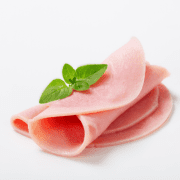
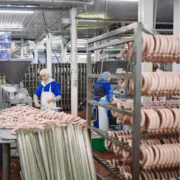
Likewise, nitrates and nitrites, which historically have been used mainly in cured meat products. Nitrates can also be found in nature in some vegetables such as lettuce or beets, derived from the action of the metabolism of substances present in the soil. Nitrites have a good preservation capacity thanks to the control of spore-generating microorganisms and their toxins, such as botulinum toxin. They also serve to generate and maintain the characteristic color of foods, such as the bright red of meat products. However, nitrites (both those produced from nitrates and those used directly) at the end of their metabolism can generate nitrosamines, carcinogenic substances that are a health risk for the consumer.
As we mentioned in the previous Blog entry, food preservatives in particular, and additives in general, are evaluated and regulated by the Scientific Committee on Food (SCF) together with the European Food Safety Authority (EFSA). Both institutions work to determine the safe level of consumption and the Acceptable Daily Intake (ADI) for each substance, thus ensuring its safety as a food ingredient and trying to avoid potential health risks to consumers.
Can manufacturers in the food industry access natural alternatives to replace their additives?
At Amerex we focus on developing alternative solutions to food preservatives for food safety and shelf life. Our bio-based blends are E-number free, so in addition to meeting your natural preservation challenges, they will help you achieve clean label foods with cleaner, homemade organoleptics.
You can find here our strategies for the substitution of additives and other treatments used in the industry to slow microbial spoilage. For example, within Amerex’s natural preservatives we have specialist products such as BIAMEX-YM that can replace sorbate to protect against molds and yeasts. Or our SAFEMIX range of natural flavors obtained by fermentation to replace lactate or acetate, among others.
Contact us to know all the proposals for food protection and make your final product safe, stable and tasty.
- You can send us an e-mail to: imasd@amerexingredientes.es
- Call us at: +34 91 845 42 14
- Fill in the form below


Nuria Lázaro is the R&D and Quality Manager for Amerex’s technical team. She holds a degree in Biology and a master’s degree in Biotechnology. She brings her experience in food preservation and safety, specializing in legislation and the development of new preservatives and antioxidants.