FOODS WITH SULPHITES: NATURAL ALTERNATIVES AND HOW THEY AFFECT THE CONSUMER
Sulfites are additives that have been used for many years in food preservation, and in some cases are even found naturally in foods.
In this Blog entry we will explain many aspects related to sulfites such as their functions in food as additives, the way they can affect the consumer, the needs of use and labeling according to official regulations and sulfite alternatives. Stay with us and read more about it!
What are sulfites in food?
To answer our first question about what sulfites are, sulfites and their by-products are chemical forms obtained from sulfur that are used as additives for the preservation of many foods. It is easy to recognize them in the labeling of any product since the EU recognizes 8 types of sulfites in food as additives, assigning them an E number (number between E220 and E228) and therefore approving their use.
What is the function of sulfites in foods?
Sulfites are added to foods in order to favor their preservation and maintain their color, achieving in some cases a bacteriostatic effect at high doses and avoiding the negative consequences of microbial growth and the oxidation process.
Typical foods containing sulfites as additives are the following:
- Wines, musts, ciders and vinegars to prevent the development of molds, bacteria and yeasts.
- Crustaceans so that they do not darken during marketing and cause consumer rejection.
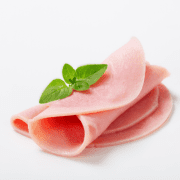
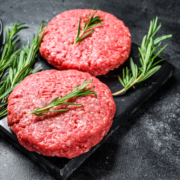
- Meat preparations, such as fresh sausages and burger meat, which need to be kept fresh and pink in color.
- Dried fruits, sauces, canned vegetables…
Therefore, the ultimate goal of sulfites in foods would be to improve their appearance and prolong their shelf life. At Amerex we have no doubt that the color it gives is unsurpassed thanks to its reducing power, as well as giving certain organoleptic properties. However, precisely because of this, it sometimes gives misleading results in the final product, which may have triggered microbiological contamination even though it has an attractive color.
How are sulfites in food labeled?
Products containing more than 10 mg/kg or 10 mg/L of sulfites must reflect this concentration on food labels. For example, in meat preparations the limit is 450 mg/kg according to the legislation, a dose capable of giving color but which is far from the doses traditionally used that allowed a more potent antimicrobial effect.
The labeling of sulfites in food consists basically of the name of their chemical formula and a number between E220 and E228:
- E220 for sulfur dioxide.
- E221 for sodium sulfite.
- E222 for sodium acid sulfite.
- E223 for sodium metabisulfite (sodium disulfite).
- E224 for potassium metabisulfite (potassium disulfite).
- E226 for calcium sulfite.
- E227 for calcium acid sulfite (calcium bisulfite).
- E228 for potassium acid sulfite (potassium bisulfite).

What are the side effects of consuming foods with sulfites?
Perhaps the most important reason for labeling sulfites in foods is that they can cause health problems in people with sensitivities to these substances.
For the most part, sulfite-containing foods do not represent a health risk, nor are they carcinogenic or teratogenic for the population, and the amounts in which sulfites are present in food are below the maximum amounts allowed by law, and are controlled. Therefore, they meet the requirements of any food additive.
However, the metabolization of sulfites in foods can have negative consequences for people sensitive to these substances. There is an enzyme responsible for metabolizing sulfites from food in the human body, sulfite oxidase. It happens that in people with deficient enzymatic activity, this process can cause negative reactions. Therefore, the only way to avoid it is by not consuming those foods that contain a certain sulfite.
People sensitive to sulfites in food develop reactions such as digestive problems, skin reactions, itching, and respiratory disorders such as asthma, coughing, shortness of breath or wheezing.
About 3% of adults and 6% of children have a food intolerance due to the presence of allergens and sulfites in food. There are 14 allergens that European regulations establish that must be compulsorily reported on food labels, including sulfites if they are in amounts greater than 10 mg/kg or 10 mg/L, and labeled as sulfite or sulfur dioxide.
Effect of sulfites on product naming
As mentioned above, the law allows the formulation of products to contain sulfites and other ingredients, and depending on these, the products will be denominated in one way or another.
The use of sulfites is not allowed in meat in general, but when Regulation (EC) No. 1333/2008 appeared, they wanted to maintain the figures of longaniza or burger meat as a refuge to be used in markets that had traditionally done so, such as the English and Spanish markets.
Currently, these names are used in the market for all types of meat preparations that use this legal umbrella, even if they are not exactly sausages or burger meat. In the Spanish market, the color of products such as hamburgers is often associated with the intense red color of sulfite, forgetting the traditional organoleptic characteristics of a hamburger, although consumer habits are beginning to change.
For the sake of clarity, sausages cannot legally contain sulfites and/or colorants, but sausages can contain a regulated amount of sulfites. The same applies to hamburger or burger meat, the former does not contain sulfites and the latter does. This is a naming issue that protects the consumerif the product is labeled as sausage instead of sausageor as a hamburger instead of a hamburger burger meatThe consumer can now distinguish which has and which does not contain sulfites and/or colorants, since at first glance they may appear to be the same product.
What sulfite-free additive alternatives are on food market?
Amerex manufactures allergen and sulfite-free microbiological blends as an alternative to improve the safety and shelf life of a wide range of products such as sausages and burger meat. Biamex y Safemix are our biotech blends that improve the contamination and spoilage performance of these fresh foods over chemical additive options such as sulfite.

The biggest challenge is in maintaining the color, and currently we can reach more than 10 days of shelf life with a color that, although not as red, remains constant in a natural way as the first day the burger is made. To keep this oxidation at bay, we use our plant extracts Amexol and we even have European funding projects of circular economy where agricultural surpluses are used to obtain innovative polyphenols that help us in this task.
Where can I get a natural preservative alternative to sulfite?
At Amerex we can help you achieve a result that exceeds expectations so that you can replace this additive with clean label alternatives.
We are at your disposal to make our products more natural and safer.
Contact us if you want to know more!
- You can send us an email to: imasd@amerexingredientes.es
- Call us at: +34 91 845 42 14
- Fill out the following form


Patricia Rodrigo is Head of Marketing & Product at Amerex. With a background in Biotechnology and a Master’s in Biotechnology Business Management, her work focuses on research and communication of natural alternatives to additives, conservation strategies, and pathogen control in various food groups for the industry.